Arctic vs Antarctica Cruise: Which Polar Expedition Is Right for You? (2026–2028 Guide)
Choosing between an Arctic vs Antarctica cruise is one of the biggest decisions in polar travel. Both deliver ice-draped landscapes, wildlife encounters, and expedition-style exploration — but they are fundamentally different in geography, wildlife, accessibility, seasonality, and cost structure.
If you’re currently researching Northern Europe routes, begin with our Norway Arctic Cruises: Complete Planning Guide (2026) for full regional context before comparing hemispheres.

Geographic Differences: Inhabited North vs Remote South
The Arctic is an ocean surrounded by continents. Antarctica is a continent surrounded by ocean. That simple distinction shapes the entire cruise experience.
For a deeper breakdown of how Arctic cruise styles vary — especially along the Norwegian coast — review our complete Norway Arctic cruise planning guide.
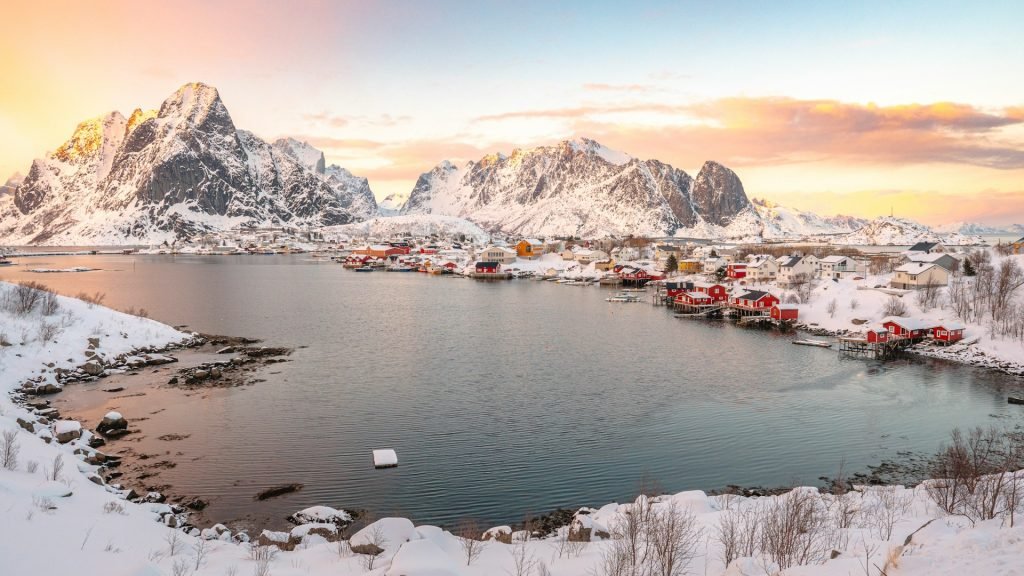
Arctic cruises (Norway, Svalbard, Greenland, Iceland):
- Include towns, ports, and cultural stops
- Combine nature with history and local communities
- Often sail protected coastal routes (especially Norway)
Antarctica cruises:
- No permanent local population
- No towns or cultural ports
- Fully expedition-driven landings via Zodiac boats
- More remote and logistically intense
If you are evaluating Norway-based sailings specifically, our Northern Light Cruise: Complete Guide to Seeing the Aurora at Sea explains how Arctic itineraries operate above the Arctic Circle.
Wildlife: Polar Bears vs Penguins
Wildlife expectations differ dramatically. Each polar region supports entirely different ecosystems shaped by geography and climate. Understanding those differences is essential before choosing your expedition.

Arctic highlights
- Polar bears (primarily Svalbard region)
- Reindeer
- Arctic fox
- Whales
- Seabird cliffs
Antarctica highlights
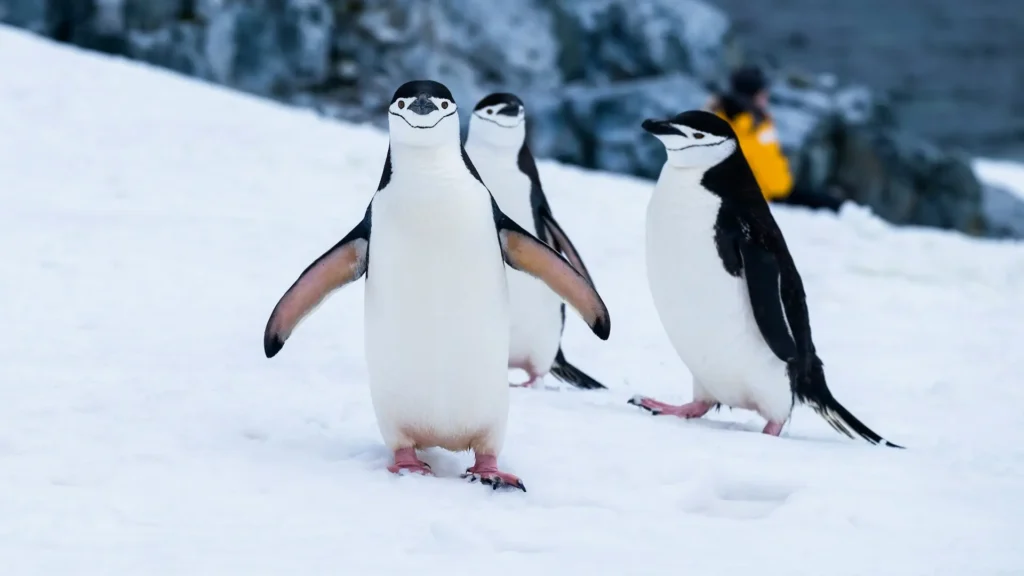
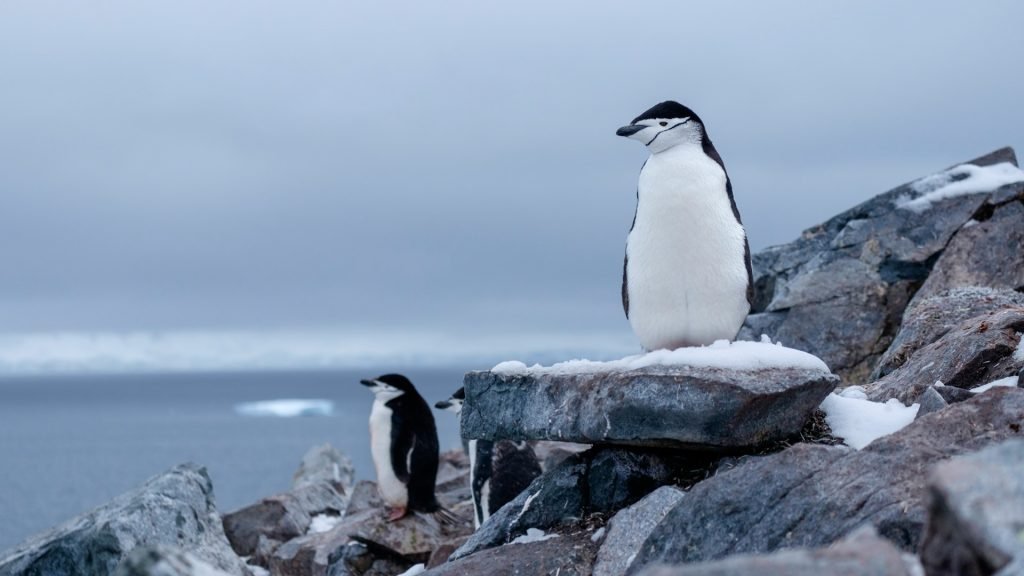
- Large penguin colonies
- Seals (Weddell, leopard, elephant)
- Whales (humpback, minke, orca)
- Vast seabird populations
If penguins are your priority, Antarctica wins. If you are fascinated by polar bears and Arctic ecosystems, northern routes may offer stronger appeal — though sightings are never guaranteed in either region.
Seasonality: Opposite Hemispheres
The seasons are reversed. When it is summer in the Arctic, it is winter in Antarctica. This directly affects wildlife activity, daylight hours, and cruise operating windows.
Arctic cruise season
- May–September for wildlife and Midnight Sun
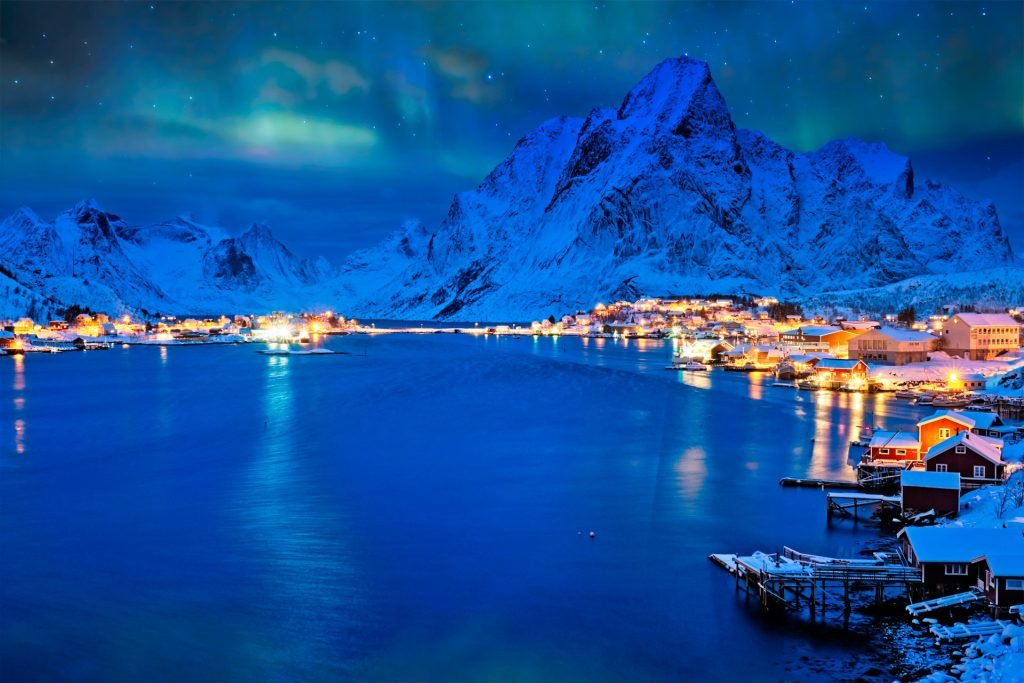
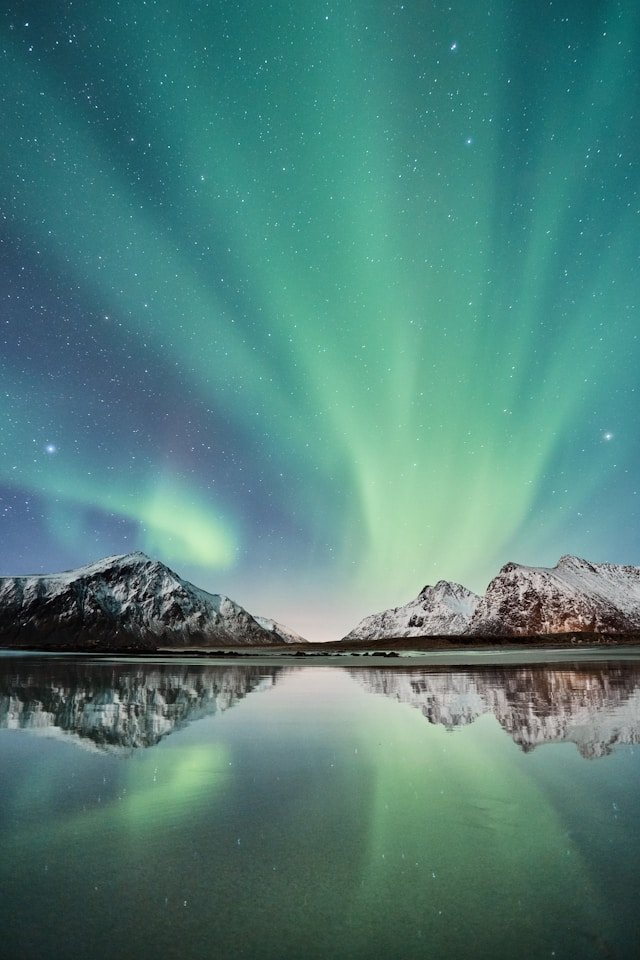
- October–March (Norway) for Northern Lights
Antarctica cruise season
- November–March only (Southern Hemisphere summer)
If seeing the Aurora Borealis is central to your decision, Antarctica is not an option. For optimal timing guidance, see our Best Time for Northern Light Cruise (Norway 2026 Guide) for detailed timing strategy.
Accessibility & Travel Time
Accessibility strongly impacts cost and convenience. Departure ports, flight logistics, and sea crossings vary significantly between the two regions. These factors influence both total trip expense and overall travel complexity.
Arctic cruises (Norway focus)
- Depart from easily accessible European ports like Bergen
- No extreme crossings required
- Shorter itineraries available (5–10 nights)
Operators such as Hurtigruten and HX Expeditions offer structured coastal and expedition sailings in the region.
To compare their cruise styles, ship types, and expedition depth, read our full guide: Hurtigruten vs HX Norway Voyages: What’s the Difference?
Antarctica cruises
- Typically depart from Ushuaia, Argentina
- Require Drake Passage crossing (often rough seas)
- Usually 10–14 nights minimum
- Higher flight logistics costs
Antarctica requires greater travel commitment and schedule flexibility. Longer itineraries, remote embarkation points, and weather-dependent landings add complexity. Therefore, you should allow buffer time and be prepared for potential itinerary adjustments.

Cost Comparison: Which Is More Expensive?
In most cases, Antarctica costs more. Higher operational expenses, stricter landing regulations, and longer expedition itineraries all contribute to elevated pricing. Travel logistics — including long-haul flights to embarkation ports — further increase the overall investment.
Antarctica
- Higher expedition fees
- Mandatory landing operations
- Smaller passenger caps (IAATO regulations)
- Longer itineraries
Arctic (Norway)
- Broader range of pricing tiers
- Some coastal voyages operate year-round
- More mid-range options available
For itinerary pricing aligned with aurora season, see Best Northern Lights Cruise 2026: 7 Top Itineraries Compared.
Experience Style: Cultural vs Pure Expedition
The overall travel experience differs significantly between the two regions. One blends human history with polar scenery, while the other focuses almost entirely on raw wilderness immersion.
The Arctic often blends:
- Nature
- Fishing villages
- Sami heritage
- Working coastal ports
Antarctica delivers:
- Pure wilderness
- No settlements
- Continuous expedition landings
- Scientific briefings
If you prefer a blend of culture and scenery, Arctic cruises — especially along coastal Norway — offer more variety. If you want full isolation and extreme remoteness, Antarctica provides unmatched wilderness immersion.
Sea Conditions
Sea conditions matter for comfort. Ocean exposure, route geography, and seasonal weather patterns can significantly influence how smooth — or challenging — your voyage feels.
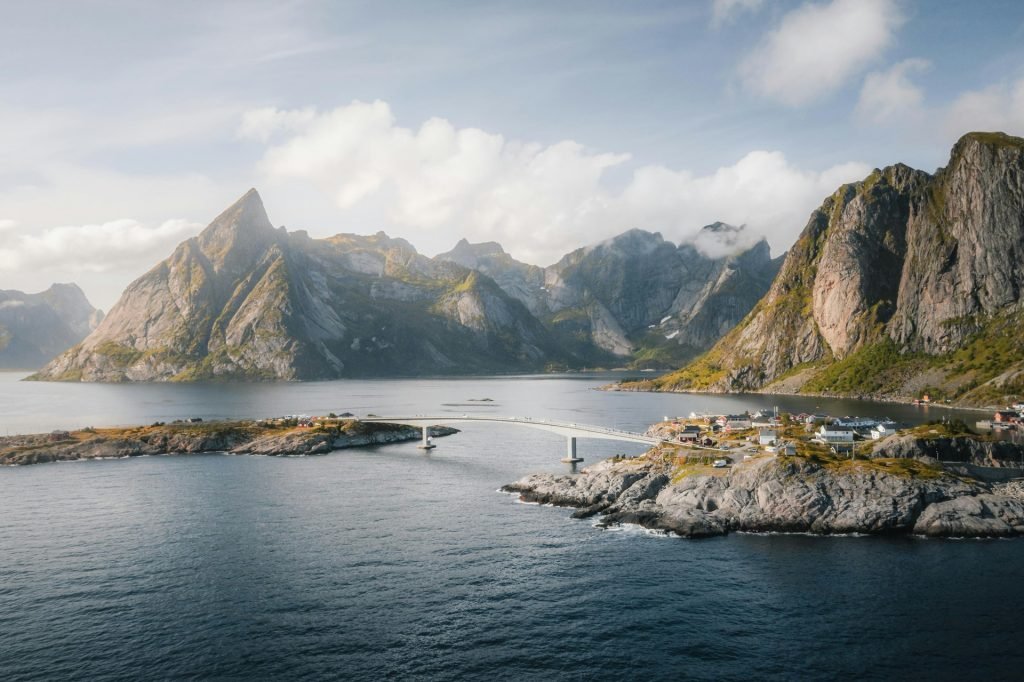
- Norwegian coastal Arctic routes are generally more sheltered
- Open Arctic expedition routes (Greenland, Svalbard) vary
- Antarctica requires crossing the Drake Passage, known for rough conditions
Travelers concerned about motion sensitivity often find Norway Arctic routes more manageable, as much of the sailing follows sheltered coastal passages rather than open-ocean crossings. This typically results in calmer waters and a more stable onboard experience compared to polar routes requiring major sea crossings.
2026–2028 Demand Trends
Both polar regions are experiencing growth, but trends differ. Demand patterns, pricing trajectories, and ship deployment strategies are evolving in distinct ways in each hemisphere.
Arctic trends:
- Rising demand for Northern Lights sailings
- Increased interest in smaller expedition ships
- Growth in sustainable coastal voyages
Antarctica trends:
- Continued price increases
- Long lead booking windows (12–18 months)
- Limited capacity due to landing regulations
For travelers prioritizing Arctic routes, focusing on seasonality, itinerary length, and ship size will be increasingly important as demand grows through 2028. Early planning offers the greatest flexibility in cabin selection and departure timing, particularly for peak winter sailings.

Who Should Choose Arctic?
An Arctic cruise may be right for you if:
- You want Northern Lights potential
- You prefer easier access and shorter flights
- You appreciate cultural stops
- You prefer more moderate sea conditions
- You want flexible itinerary lengths
Who Should Choose Antarctica?
An Antarctica cruise may be right if:
- Penguins are a top priority
- You want full expedition immersion
- You are comfortable with rougher crossings
- You seek extreme remoteness
- Budget flexibility is less restrictive
Frequently Asked Questions
Final Verdict: Arctic vs Antarctica Cruise
Both destinations deliver extraordinary polar experiences — but they serve different priorities.
Choose Arctic if you want Northern Lights, cultural ports, and easier logistics. Choose Antarctica if you want penguin colonies, extreme remoteness, and a pure expedition atmosphere.
Clarify your priority — cultural context or absolute isolation — and the right choice becomes clear.