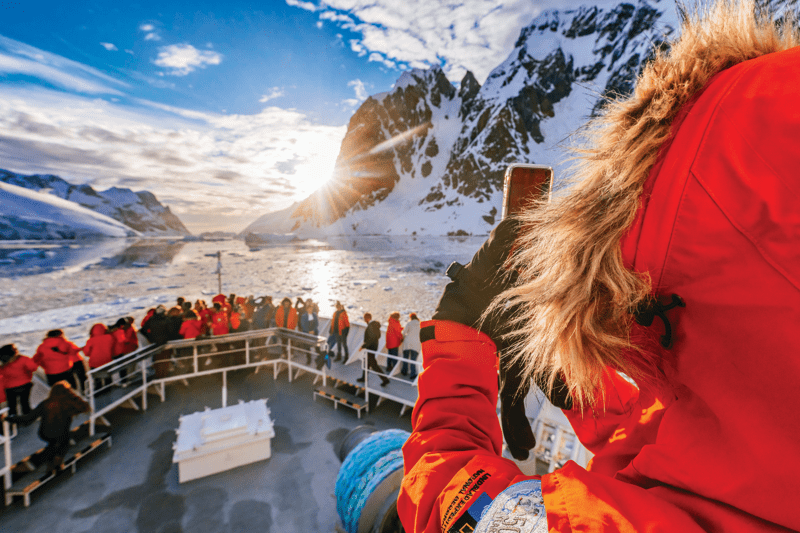
Antarctica Cruises Planning Guide (2026–2028 Complete Expert Handbook)

Last Updated: February 2026
Antarctica is not simply another bucket-list cruise. It is one of the most remote places on Earth — a continent governed by international treaty, defined by volatile weather conditions, and accessible only through tightly controlled expedition operations. For travelers considering antarctic cruises between 2026 and 2028, proper planning is not optional. It is essential.
This guide is written for travelers actively comparing Antarctica cruise options. It draws on IAATO regulations, expedition operator comparisons, seasonal wildlife patterns, and current 2026–2028 pricing trends to help you plan with clarity and confidence.
- What makes antarctic expedition cruise travel different
- How logistics from South America actually work
- Why ship type and size matter more here than anywhere else
- The realities of crossing the Southern Ocean
- The framework of modern expedition cruising in the polar regions
The sections below expand into routes, costs, ship comparisons, and booking strategy in greater depth.
Why Antarctica Is Not a Typical Cruise Destination
An Antarctica trip is fundamentally different from cruising in the Mediterranean, Caribbean, or even the Arctic. The differences are structural, operational, environmental, and philosophical.
No Traditional Cruise Infrastructure
There are no ports on the Antarctic continent. No cruise terminals. No dockside towns. No restaurants waiting at the pier. Every landing is conducted via zodiac cruise operations — small inflatable boats transporting passengers from ship to shore at designated landing sites.
Unlike most cruise destinations, Antarctica has:
- No permanent residents
- No tourism infrastructure
- No commercial port facilities
- No emergency evacuation hospitals nearby
This remote location is part of the appeal. It is also why planning must be meticulous.
Governed by the Antarctic Treaty System
All antarctic travel operates under the Antarctic Treaty System and International Association of Antarctica Tour Operators (IAATO) guidelines. These regulations include:
- A maximum of 100 people ashore at one time
- Strict wildlife approach distances
- Mandatory biosecurity cleaning
- Controlled waste management procedures
Because of this, the number of people who can visit at any one time is limited, which protects the fragile ecosystem of the White Continent.
Expedition Cruising vs Traditional Cruising
Antarctica cruise ships are designed for expedition experiences — not resort-style entertainment.
Instead of casinos and stage productions, your days include:
- Wildlife briefings
- Glacier navigation
- Ice floe observation
- Historical lectures on explorers such as Ernest Shackleton and Douglas Mawson
- Zodiac landings guided by expert guides
The focus is immersion. The goal is exploration. This is expedition cruising in its purest form.
Understanding Expedition Cruising in the Polar Regions
An antarctic expedition cruise is built around flexibility.
Unlike fixed-port itineraries, expedition ships adjust daily plans based on:
- Wind speed
- Ice conditions
- Wildlife sightings
- Sea state
- Landing site accessibility
This means no two voyages are identical. The best operators emphasize adaptability and rely on experienced expedition team members to evaluate conditions in real time.
What Defines a True Expedition Vessel?
A legitimate antarctic expedition cruise ship typically includes:
- Reinforced ice-class hull
- Advanced navigation systems
- Fleet of zodiacs
- High staff-to-guest ratio
- Expedition lecture facilities
- Open deck wildlife viewing space
Some newer vessels also incorporate hybrid propulsion systems to reduce environmental impact, aligning with sustainability best practices in antarctic travel.
The difference between a general cruise ship and a polar expedition vessel is not cosmetic — it is structural.
Gateway Logistics: How You Actually Reach Antarctica
For most travelers, Antarctica begins in South America.

Ushuaia, Argentina – The Primary Departure Port
Located at the southern tip of South America, Ushuaia is the main embarkation point for antarctic cruises.
Typical travel sequence:
- International flight to Buenos Aires
- Domestic flight to Ushuaia
- Pre-cruise hotel stay (strongly recommended)
- Embarkation via the Beagle Channel
Ships then navigate through the Beagle Channel, round Cape Horn, and enter the Southern Ocean en route to the Antarctic Peninsula.
Why Ushuaia works so effectively:
- Established expedition infrastructure
- Proximity to Antarctica (shortest sailing distance)
- Experienced port operations handling antarctic cruise ships
Travelers should allow buffer time in Argentina to mitigate potential flight disruptions.
Punta Arenas, Chile – Fly-Cruise Alternative
Some tour operators offer a “Fly the Drake” option from Punta Arenas. This involves:
- Charter flight to King George Island (South Shetland Islands)
- Ship embarkation near Antarctica
- Skipping the two-day Drake Passage crossing
Advantages:
- Avoid rough seas
- Shorter itinerary
- Ideal for time-limited travelers
Disadvantages:
- Higher cost
- Weather-dependent flights
- Reduced classic polar expedition feel
Whether flying or sailing is the best option depends on travel style and seasickness tolerance.
The Infamous Drake Passage: What to Expect
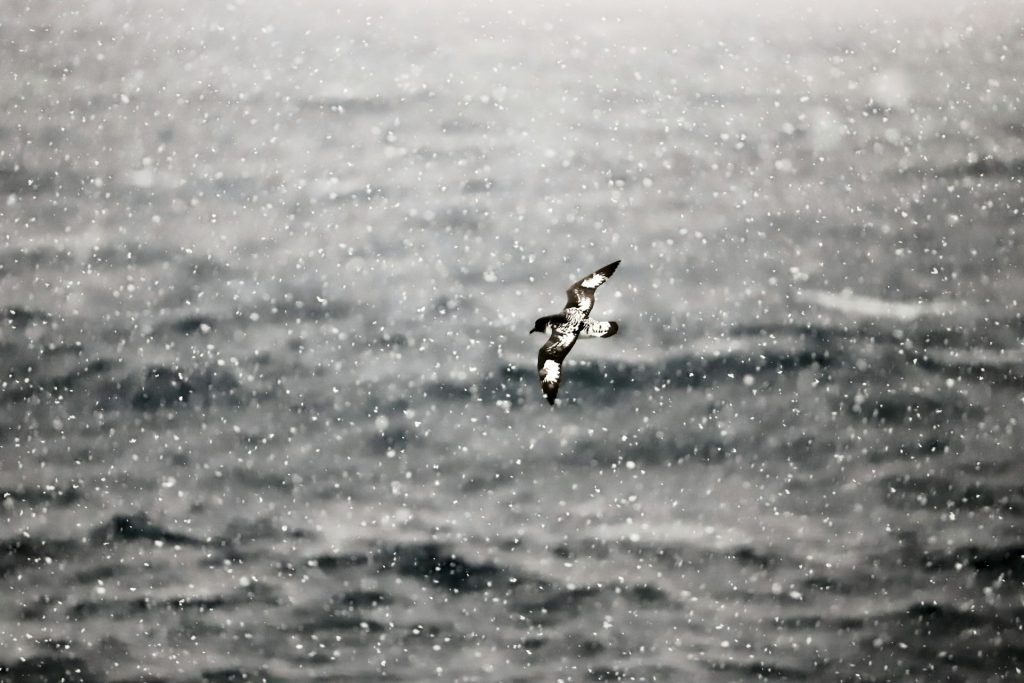
The Drake Passage separates South America from Antarctica and connects the Atlantic and Pacific Oceans. It is known for powerful currents and strong winds.
Crossing typically takes:
- Two sea days southbound
- Two sea days northbound
Conditions range from calm (“Drake Lake”) to extremely rough (“Drake Shake”).
Why the Drake Matters
The Drake Passage is not merely a transit. It represents the physical and psychological transition from South America into the polar regions. Modern Antarctica cruise ships include stabilizers and advanced weather tracking systems, but movement is common.
For many travelers, successfully crossing the Drake enhances the sense of achievement associated with an Antarctica trip.
Ship Size: Why Small Ships Dominate Antarctica
Ship size influences nearly every aspect of your expedition.
IAATO Landing Rules
Only 100 passengers may be ashore at any landing site simultaneously.
This makes smaller vessels a strategic advantage.
Small Ships (Under 200 Guests)
- Faster zodiac transfers
- More efficient rotations
- More landing sites per day
- More intimate small groups
For travelers prioritizing maximum time ashore, a small ship cruise is often the best trip format.
Larger Ships (200–250 Guests)
- More onboard amenities
- Slightly longer landing rotations
- Still IAATO compliant
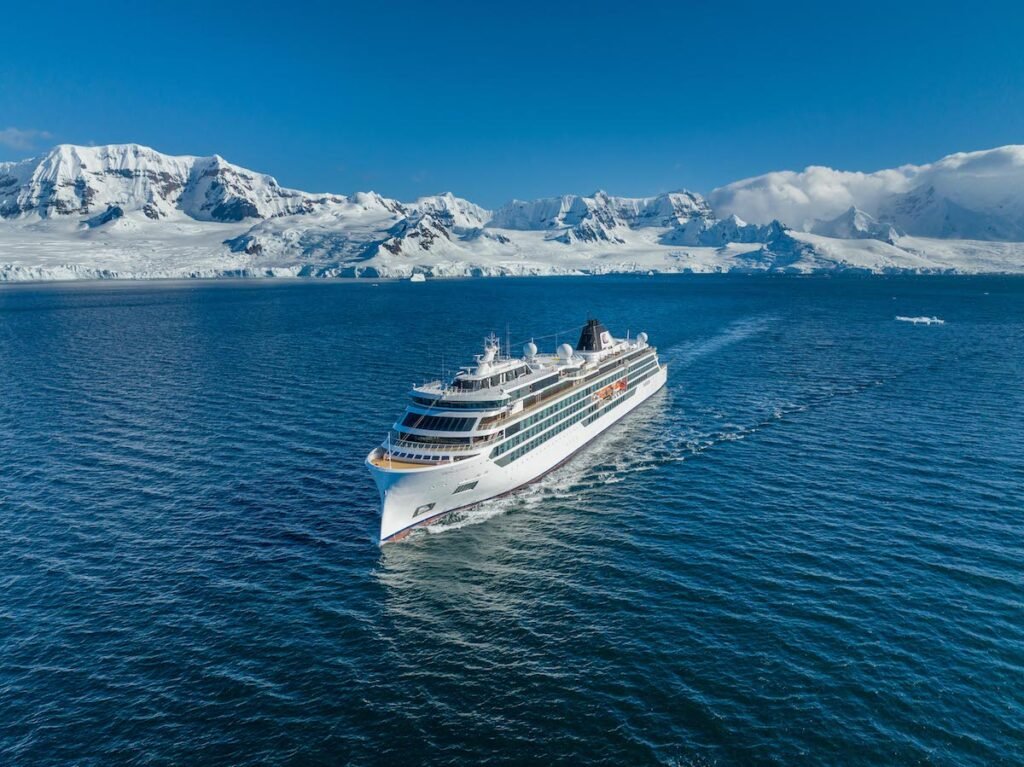
Large Ships (500+ Guests)
Large ships cannot conduct standard landings. These voyages are typically scenic sail-bys rather than true expedition experiences.
In Antarctica, smaller vessels consistently provide deeper immersion due to faster shore rotations and greater landing flexibility.
Life Onboard an Antarctic Expedition Cruise
A typical day during the antarctic summer follows a rhythm shaped by weather conditions.
Morning:
- Early wake-up call
- Zodiac landing at wildlife site
Afternoon:
- Second landing or zodiac cruise through ice floes
Evening:
- Recap session
- Lecture by experienced expedition team
- Wildlife photography review
Unlike mainstream cruising, much time is spent outdoors. Hot tubs may be available on some luxury vessels, but the core of the experience is on the water and ashore.
Wildlife Expectations During Your First Visit
Antarctica is one of the most wildlife-dense polar regions.
Common sightings include:
- Humpback whales
- Elephant seals
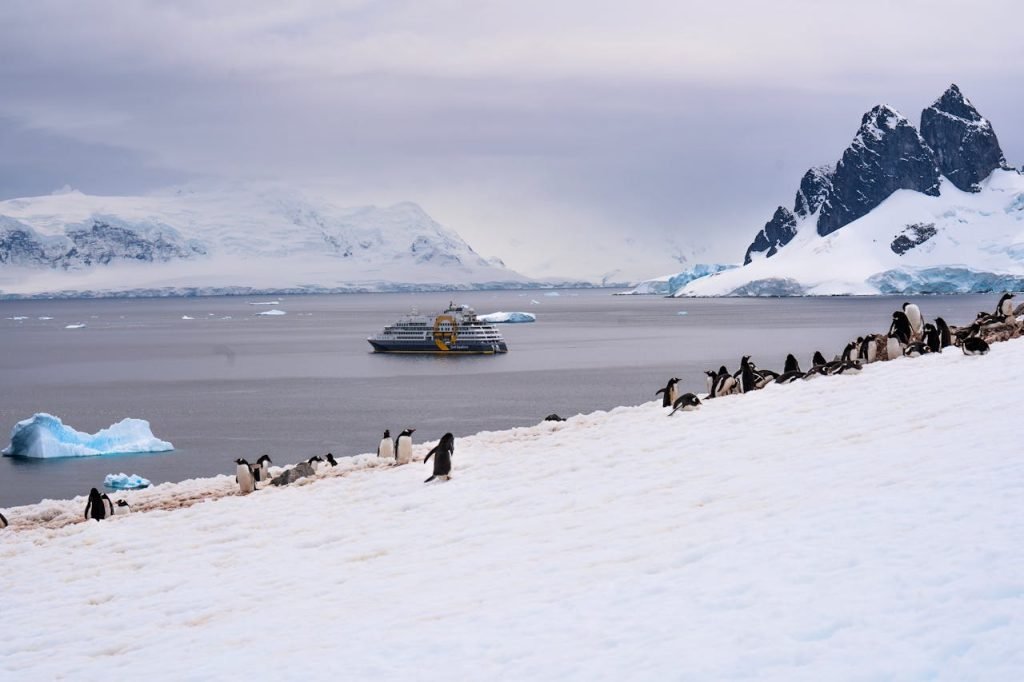
- Penguins colonies
Close encounters are frequent but carefully regulated under strict wildlife distance rules enforced by expedition staff.
Wildlife density and behavior vary significantly across the summer season.
Why Antarctica Is Considered One of the Most Remote Places on Earth
The Antarctic continent contains:
- No cities
- No airports with commercial service
- No tourism infrastructure
Its isolation defines the experience.
Routes, Regions & Real Expedition Itineraries
Not all antarctic cruises are the same. The route you choose directly determines:
- Wildlife density
- Ice conditions
- Amount of time ashore
- Overall trip duration
- Budget level
- Expedition intensity
For a deeper comparison of Peninsula-only voyages versus extended South Georgia and Falkland Islands expeditions, see our Antarctica Cruise Routes Explained guide.
The Main Antarctica Cruise Route: Antarctic Peninsula
For a first visit, the Antarctic Peninsula is overwhelmingly the best option.

Why the Peninsula Dominates Antarctic Travel
- Closest part of the Antarctic continent to South America
- Shortest sailing time from Ushuaia
- High concentration of wildlife
- Dramatic glacier landscapes
- Reliable landing site access
Most antarctic cruise ships operate here because it offers the highest reward-to-distance ratio in the polar regions.
What You Actually See on a Peninsula Expedition
A typical Peninsula itinerary includes:
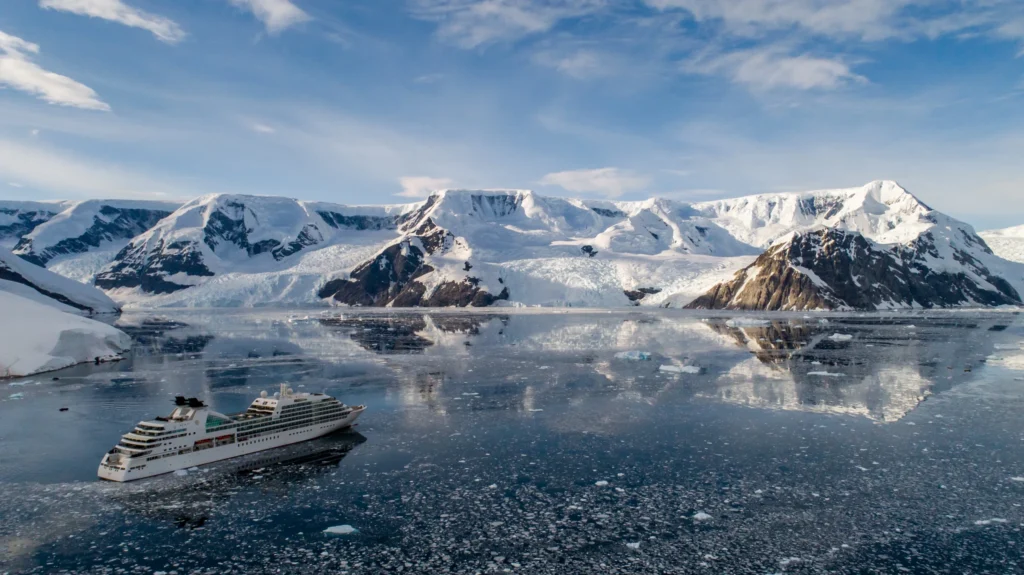
- Narrow channels filled with ice floes
- Massive glacier fronts calving into the sea
- Penguin colonies numbering in the thousands
- Zodiac cruise excursions weaving between icebergs
- Elephant seals resting on rocky beaches
- Fur seals near landing sites
The concentration of wildlife is what makes the Peninsula such a great place for expedition experiences.
Key Peninsula Landing Sites
While itineraries remain flexible, common landing sites include:
- Neko Harbor
- Cuverville Island
- Danco Island
- Paradise Bay
Each offers different wildlife encounters and glacier perspectives.
Because only 100 passengers may land at once, smaller vessels rotate more efficiently — maximizing time ashore.
Crossing the Antarctic Circle
Many premium itineraries attempt to cross the Antarctic Circle (66°33′ South).
Why this matters:
- Symbolic milestone of polar travel
- Fewer ships venture this far south
- Increased ice presence
- Stronger sense of remoteness
Not all voyages guarantee Circle crossings due to weather conditions and ice.
For experienced polar expedition travelers, this is often considered a highlight of an antarctic adventure.
South Shetland Islands: The Northern Gateway
Located north of the Antarctic Peninsula, the South Shetland Islands are often visited at the beginning or end of a voyage.
Why They Matter
- Shelter from open Southern Ocean swells
- Active wildlife colonies
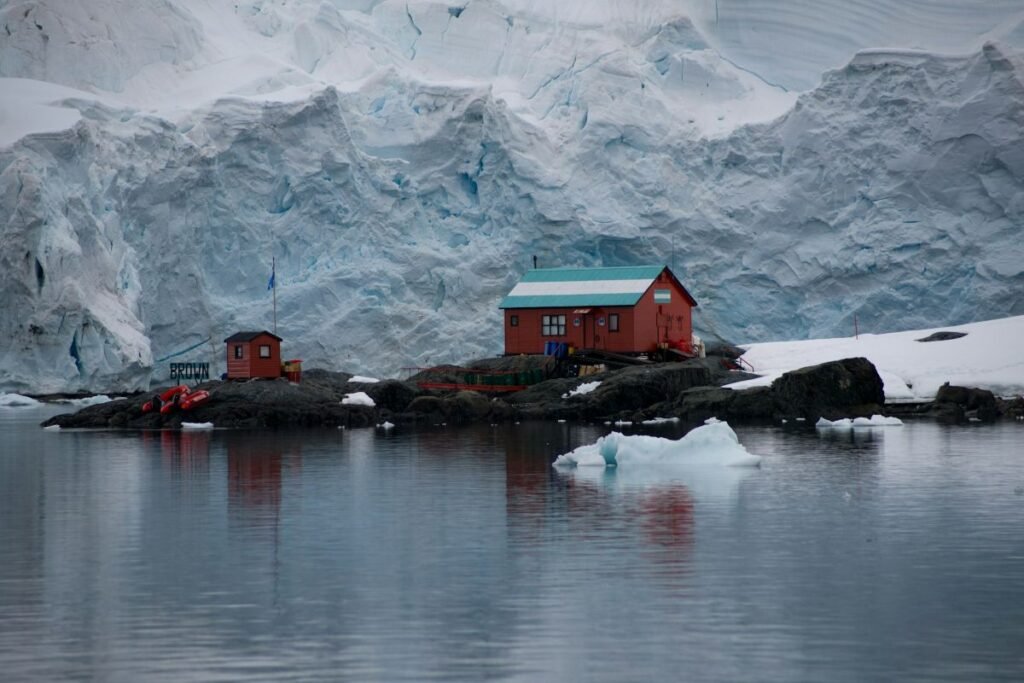
- Historic research stations
- King George Island fly-cruise embarkation
Wildlife sightings often include:
- Chinstrap penguins
- Elephant seals
- Fur seals
Because these islands sit at the northern edge of Antarctica’s ecological system, they are often the first sign you have truly entered the White Continent.
Weddell Sea Expeditions: Ice & Exploration History
The Weddell Sea lies east of the Peninsula and is known for:
- Dense pack ice
- Ice shelf formations
- Shackleton expedition history
- Potential emperor penguin sightings
The Weddell Sea is where Ernest Shackleton’s Endurance became trapped in ice — one of the most famous survival stories in exploration history.
Modern antarctic cruise ships require strong ice-class ratings to operate here.
These itineraries are:
- Less predictable
- More expedition-focused
- Highly weather-dependent
- Often favored by repeat visitors
For travelers seeking a deeper polar expedition beyond a first trip, the Weddell Sea offers heightened authenticity.
South Georgia Island: Wildlife Superpower
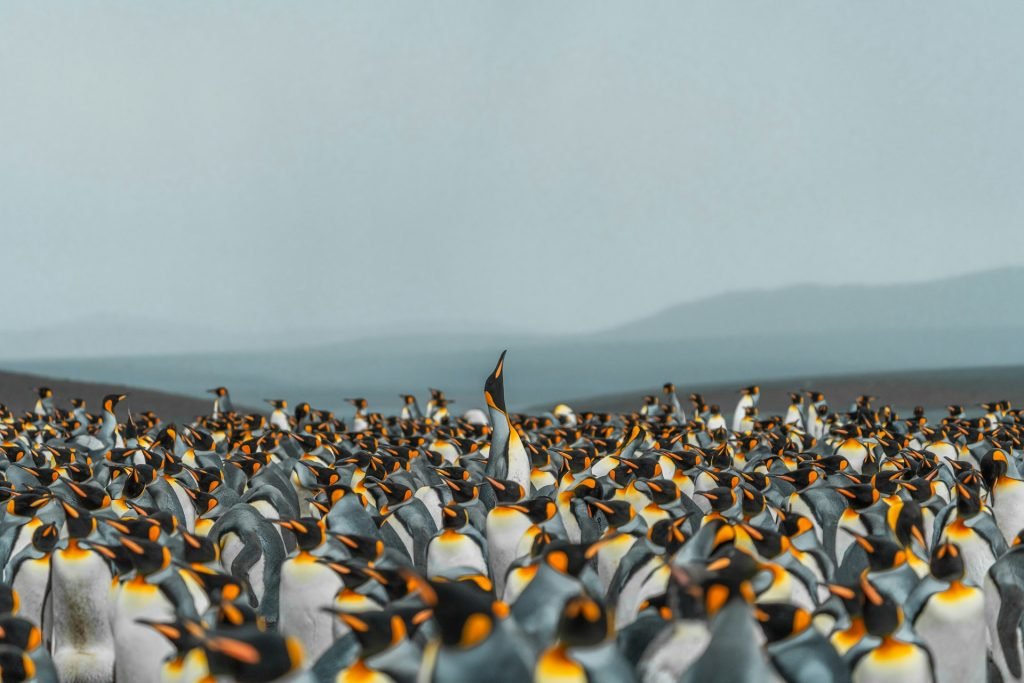
South Georgia Island is technically sub-Antarctic but frequently included in extended itineraries.
Wildlife density here surpasses nearly anywhere else on Earth.
Expect:
- Hundreds of thousands of king penguins
- Massive elephant seals
- Aggressive fur seals during breeding season
- Albatross nesting colonies
The island also holds historic ties to Ernest Shackleton, whose grave at Grytviken is often visited.
These voyages typically last 18–23 days and include:
- Falkland Islands
- South Georgia Island
- Antarctic Peninsula
For many wildlife-focused travelers, this combination represents the best trip format in the Southern Ocean.
Falkland Islands: A Transitional Ecosystem
Often paired with South Georgia, the Falkland Islands provide:
- Rolling grassland landscapes
- Rockhopper penguins
- Elephant seal colonies
- Human settlements
Unlike the Antarctic continent, the Falklands have permanent residents and local infrastructure.
They offer ecological contrast before entering the more remote region further south.
Sample 12-Day Antarctic Peninsula Itinerary (Sail the Drake)
To provide clarity, here is a realistic breakdown of a standard 12-day antarctic expedition cruise:
Days 1–2: Ushuaia Embarkation & Beagle Channel
- Boarding and safety briefings
- Sail through the Beagle Channel
- Introduction lectures from expedition team
Days 3–4: Drake Passage Crossing
- Wildlife spotting (albatross, petrels)
- Stabilization period
- Educational sessions
Days 5–9: Antarctic Peninsula Exploration
- Twice-daily zodiac cruise landings
- Penguin colonies
- Ice floe navigation
- Possible Antarctic Circle attempt
- Whale sightings (especially humpback whales in later season)
Days 10–11: Drake Passage Return
- Final lectures
- Photo workshops
- Expedition recap
Day 12: Disembarkation in Ushuaia
This structure provides maximum immersion within a relatively compact timeframe.
Weather Conditions & Ice Variability
Antarctica’s weather conditions define every voyage.
Expect:
- Rapidly shifting winds
- Fog banks
- Snow squalls
- Floating pack ice
Flexibility and adaptability remain essential throughout the voyage.
Wildlife Timing Across the Summer Season
Understanding seasonal patterns improves route planning.
Late October – November
- Penguin courtship
- Pristine snow cover
- Fewer ships
- Colder temperatures
December – January
- Penguin chicks hatch
- Peak activity
- Longest daylight
- Higher pricing
February – Late March
- Whale activity peaks (especially humpback whales)
- More open water
- Some snow melt
- End of the season discounts possible
Wildlife density increases progressively toward late March. For photographers seeking dramatic whale behavior, this period can be exceptional.
For a detailed month-by-month breakdown of weather, wildlife activity, and pricing patterns, see our complete guide to the Best Time for Antarctica Cruise.
Antarctic Circle vs Standard Peninsula: Which Is Better?
For a first visit, most travelers benefit more from maximizing landing time and wildlife exposure than from prioritizing a symbolic Antarctic Circle crossing. While crossing the Antarctic Circle adds prestige and a sense of geographic achievement, it is not essential for a fulfilling Antarctica trip.
Repeat travelers may seek deeper southern routes for novelty or to experience more remote ice conditions.
How Route Length Affects Experience
10–12 Days
- Peninsula only
- Ideal for first time travelers
- Budget-conscious option
14–16 Days
- Antarctic Circle attempt
- Greater southern exploration
18–23 Days
- Falkland Islands + South Georgia + Peninsula
- Ultimate wildlife density
- Higher investment
More days equals more flexibility and deeper immersion in the remote region.
Choosing the Best Route for Your Travel Style
Your travel style should dictate route selection.
If you prefer:
- Maximum wildlife → Add South Georgia Island
- Shorter duration → Peninsula only
- Symbolic achievement → Antarctic Circle crossing
- Avoiding long sea crossings → Fly-cruise option
This is not about prestige. It is about alignment with expectations.
Our full Antarctica Cruise Routes Explained article compares each major itinerary type in detail.
The Strategic Role of Ship Type in Route Planning
Not all antarctic cruise ships can access all regions.
Stronger ice-class vessels can:
- Navigate heavier pack ice
- Attempt Weddell Sea itineraries
- Reach further south
Smaller vessels provide greater landing flexibility. The type of ship you choose directly impacts route feasibility.
Ship technology, ice ratings, and small ship versus larger ships strategy are analyzed in detail in the sections below.
Remote Region Reality: Why Flexibility Is Mandatory
Antarctica is one of the most remote places on Earth.
- No alternative ports
- No rerouting to commercial cities
- No “Plan B” infrastructure
Daily plans change based on ice and wind.
The best expedition experiences happen when travelers embrace unpredictability.
Antarctica Cruise Cost: Realistic Investment Framework (2026–2028)
Understanding Antarctica cruise cost requires shifting your mindset away from mainstream cruise pricing. This is not mass-market tourism. It is controlled-access expedition travel to one of the most remote places on Earth.
Several structural factors drive pricing:
- Remote location logistics from South America
- Limited seasonal window (antarctic summer only)
- Strict passenger landing caps
- Ice-class ship requirements
- High expedition staff-to-guest ratio
- Fuel costs in the Southern Ocean
- Mandatory environmental compliance
For 2026–2028, realistic pricing ranges:
| Category | Per Person Estimate | Typical Ship Type | Guest Count |
|---|---|---|---|
| Entry Expedition | $8,000–$12,000 | Small expedition vessels | 150–200 |
| Premium Expedition | $12,000–$18,000 | Modern ice-class small ships | 120–180 |
| Luxury Expedition | $18,000–$30,000+ | All-suite expedition ships | 100–200 |
Longer itineraries including South Georgia Island and Falkland Islands frequently exceed $20,000 per person.
For a full breakdown of inclusions, upgrade pricing, cabin categories, and budgeting strategy, read our detailed Antarctica Cruise Cost guide.
What Is Included — And What Is Not
Most antarctic cruises include:
- All onboard meals
- Daily zodiac cruise excursions
- Expert guides and expedition team members
- Waterproof boots
- Expedition parka
- Port charges
- Lectures and workshops
Often excluded:
- International flights to South America
- Domestic Argentina or Chile flights
- Mandatory evacuation insurance
- Pre-cruise hotel stays
- Kayaking programs (additional cost)
- Alcohol packages (varies by operator)
When evaluating tour operators, always assess true total trip cost — not just base fare.
Cost Psychology: Why Antarctica Is Expensive
Antarctica is costly for structural reasons.
1. Limited Season
The summer season runs only from late October through late March. Ships must generate annual revenue within roughly five months.
2. Strict Passenger Caps
Only 100 people may be ashore at one time. This limits economies of scale and keeps the number of people per voyage intentionally low.
3. Ice-Class Vessel Construction
Antarctica cruise ships require reinforced hulls and polar navigation systems. These vessels are expensive to build and maintain.
4. Fuel & Operational Costs
The Southern Ocean is one of the harshest maritime environments in the world. Operating there demands specialized crew and elevated fuel consumption.
The result: Antarctica will never be a budget destination.
For many travelers, however, it is a dream destination worth the investment.
Small Ships vs Larger Ships: Strategic Decision Framework
Ship size directly affects:
- Landing time
- Number of landing sites
- Zodiac rotation speed
- Intimacy of small groups
- Onboard comfort
Small Ship Cruise (Under 200 Guests)
Advantages:
- Faster embarkation and disembarkation
- More flexible routing
- Shorter landing rotations
- Greater access to narrow channels
- Higher probability of additional landings
Small ships dominate true expedition cruising.
Mid-Size Expedition Ships (200–250 Guests)
Advantages:
- Slightly larger amenities
- More cabin categories
- Still IAATO compliant
Trade-off:
- Longer shore rotation times
Larger Ships (300–500+ Guests)
Large ships may operate scenic sailings but cannot conduct full landing operations under IAATO rules.
If your goal is maximum immersion and wildlife proximity, smaller vessels remain the best option.
Type of Ship: Ice Class & Technology Explained
Not all antarctic cruise ships are equal.
Ice-Class Ratings
Ships are built to specific polar classifications, allowing safe navigation in:
- First-year ice
- Heavy pack ice
- Ice floes
Stronger ice-class vessels can attempt deeper Weddell Sea itineraries.
Stabilizers & Comfort
Modern expedition ships include:
- Advanced stabilizer systems
- Dynamic positioning technology
- Ice radar
- Hybrid propulsion (on newer builds)
Some vessels, such as Ocean Albatros, incorporate X-bow designs to reduce wave impact in the Drake Passage.
When comparing ship type, consider:
- Ice capability
- Guest capacity
- Zodiac fleet size
- Expedition team ratio
- Open deck viewing space
Cabin Selection Strategy: Where to Stay on Board
Unlike mainstream cruising, you spend less time inside your cabin during an antarctic expedition cruise.
However, cabin choice still matters.
Lower Deck Cabins
- More stable in rough seas
- Often lower cost
- Minimal outside views
Mid-Ship Cabins
- Balanced stability
- Good value
Balcony Cabins
- Private viewing
- Added comfort
- Not essential for wildlife viewing
Suites
- Larger living space
- Premium amenities
- Often include priority services
Hot tubs may be available on luxury vessels, but they are secondary to expedition activities.
For a first time traveler, prioritize ship size and route over cabin category.
Fly the Drake vs Sail the Drake: Decision Matrix
One of the most important choices in antarctic travel is whether to cross the Drake Passage by ship or skip it via charter flight.
Sail the Drake
Pros:
- Lower overall cost
- Classic polar expedition experience
- Wildlife spotting during crossing
Cons:
- Two sea days each way
- Possible rough conditions
Fly the Drake
Pros:
- Avoid seasickness
- Shorter itinerary
- Faster arrival to Antarctic Peninsula
Cons:
- Higher price
- Weather-dependent flight delays
- Reduced sense of full expedition journey
For those sensitive to motion or limited on time, flying may be a good idea.
Evaluating Tour Operators: What Actually Matters
Choosing the right operator is critical.
Key evaluation factors:
1. Expedition Team Credentials
Look for:
- Experienced expedition team
- Marine biologists
- Glaciologists
- Polar historians
An experienced expedition team dramatically improves onboard education.
2. Staff-to-Guest Ratio
Higher ratios increase safety and enrichment quality.
3. Sustainability Policies
Responsible operators follow IAATO best practices and environmental compliance.
4. Fleet Size & Zodiac Count
More zodiacs allow faster shore rotations.
5. Included Amenities
Compare inclusions carefully.
Leading brands often compared include:
- HX Expeditions
- Quark Expeditions
- Ponant
- Silversea Cruises
- Scenic Luxury Cruises
- Viking Expeditions
Each brand positions itself differently along the expedition-to-luxury spectrum.
Luxury vs Pure Expedition: Understanding Your Travel Style
Antarctica appeals to multiple traveler profiles.
Expedition-Focused Travelers
Priorities:
- Maximum time ashore
- Smaller vessels
- Educational depth
- Wildlife immersion
Comfort-Oriented Travelers
Priorities:
- Larger cabins
- Refined dining
- Spa facilities
- Hot tubs
- Suite-level service
Both travel styles can coexist — but the ship and itinerary must align with expectations.
The wrong fit leads to dissatisfaction.
Solo Travelers & Group Dynamics
Antarctic travel is often undertaken:
- As part of a group tour
- By couples
- By photographers
- By small groups of friends
Solo travelers should:
- Evaluate single supplement policies
- Look for dedicated solo cabins
- Consider shared cabin options
Because passenger numbers are limited, early booking is recommended.
Budget Planning Beyond Cruise Fare
Your total antarctica trip budget should include:
- International airfare
- Argentina or Chile domestic flights
- Pre- and post-cruise hotels
- Travel insurance
- Optional excursions
Realistic all-in budget for Peninsula itinerary: $10,000–$25,000 depending on travel style.
Return on Investment: Why Many Consider It the Best Trip of Their Lives
Antarctica offers:
- Extreme isolation
- Unmatched wildlife density
- Raw natural landscapes
- A sense of planetary scale
For many, this is not just another cruise — it is the defining travel experience of a lifetime.
Physical Requirements & Accessibility: Who Should (and Should Not) Go
An antarctic expedition cruise is not an extreme athletic challenge — but it does require baseline mobility and physical readiness.
You should be able to:
- Step in and out of zodiac boats from a moving platform
- Walk on uneven, rocky, or snowy terrain
- Stand for extended periods during wildlife observation
- Navigate ship staircases safely
- Tolerate cold and wind exposure
Landing sites are undeveloped. There are no paved walkways or railings. Expedition staff assist at every transfer, but independence and balance matter.
Who May Find Antarctica Challenging
Antarctica may not be suitable for travelers with:
- Severe mobility limitations
- Advanced cardiac or respiratory conditions
- Inability to board inflatable boats
- Extreme sensitivity to seasickness
- High dependence on nearby medical infrastructure
Because this is a remote location, evacuation can require complex coordination back to South America.
For many older travelers, Antarctica remains entirely feasible — provided mobility requirements are met. Age itself is not the limiting factor. Physical functionality is.
Medical Disclosure & Evacuation Reality
All reputable tour operators require medical forms before embarkation.
Why?
- The Antarctic continent has no hospitals
- There is no rapid helicopter evacuation network
- Severe weather can delay rescue operations
Ships carry medical personnel onboard, but serious emergencies may require:
- Stabilization at sea
- Diversion to Ushuaia or Punta Arenas
- Air evacuation to mainland South America
This is why evacuation insurance is mandatory.
Antarctic travel is safe when properly managed — but it is geographically isolated.
Insurance Strategy: Non-Negotiable Protection
Every Antarctica cruise guide must emphasize insurance planning.
Minimum recommended coverage:
- $100,000+ emergency evacuation
- Trip interruption
- International medical
- Missed connection coverage
Given the remote region and the cost of your antarctica trip, insurance is not optional.
You should also consider:
- Coverage for weather-related flight delays
- Luggage protection
- Charter flight disruption (for fly-cruise itineraries)
Because there are no alternative ports or rerouting to commercial cities, cancellation flexibility is limited.
Environmental Responsibility & IAATO Compliance
Antarctica is protected by the Antarctic Treaty System, and operators must follow International Association of Antarctica Tour Operators guidelines.
Key environmental safeguards include:
- Maximum 100 passengers ashore at a time
- Wildlife approach distance rules
- Mandatory boot cleaning before every landing
- No food allowed ashore
- Waste removal requirements
- No souvenir collection
The goal is long-term preservation of the White Continent.
Reputable antarctic cruise ships implement strict biosecurity procedures to prevent introduction of foreign organisms into fragile ecosystems.
This is not symbolic sustainability — it is operational.
Expedition Team Structure: Who Leads Your Antarctic Adventure
An experienced expedition team defines the quality of your voyage.
Most ships include:
- Expedition Leader
- Assistant Expedition Leader
- Marine biologists
- Glaciologists
- Ornithologists
- Zodiac drivers
- Naturalists
The expedition leader evaluates:
- Ice conditions
- Weather conditions
- Landing site viability
- Wildlife activity
Every zodiac cruise and shore landing is coordinated by trained professionals.
The depth of educational programming often separates mid-tier operators from premium expedition brands.
Preparing for Your Antarctica Trip
Preparation goes beyond booking.
Clothing Strategy
Layering is essential.
Recommended:
- Thermal base layers
- Insulating mid-layer
- Waterproof outer shell
- Polar gloves
- Windproof hat
- Sunglasses with UV protection
Most operators provide:
- Waterproof boots
- Expedition parka
Avoid cotton materials. Moisture retention increases cold exposure.
Seasickness Preparation
Even modern Antarctica cruise ships with stabilizers cannot eliminate motion entirely.
Preparation tips:
- Prescription medication (consult physician)
- Motion patches
- Ginger supplements
- Choosing lower deck cabin
The infamous Drake Passage is unpredictable.
Being prepared improves comfort significantly.
Booking Strategy for 2026–2028
Antarctic travel demand has increased consistently in recent years.
When to Book
- 12–18 months in advance for peak December–January departures
- 9–12 months in advance for shoulder season
Because of strict passenger limits, popular itineraries sell out early.
Small ships especially fill quickly due to limited number of people onboard.
Wave Season & Promotional Cycles
Cruise promotional periods (January–March) sometimes offer:
- Early booking discounts
- Air credit promotions
- Cabin upgrade incentives
However, Antarctica rarely sees dramatic last-minute discounts on premium departures.
Waiting for deals may result in limited cabin selection or reduced route options.
Solo Traveler Strategy
Solo cabins are limited on antarctic cruise ships.
Options include:
- Dedicated single occupancy cabins
- Reduced single supplement promotions
- Shared cabin arrangements
Booking early increases flexibility.
Who Should Not Go to Antarctica
Antarctica may not align with travelers who expect rigid daily schedules, entertainment-driven cruise experiences, or resort-style amenities.
While luxury expedition vessels exist, Antarctica is first and foremost a polar expedition.
If your travel style prioritizes nightlife, casinos, and structured port stops, this may not be the best fit.
Antarctica vs Geographic South Pole: Clarifying Expectations
Many travelers assume Antarctica cruises visit the geographic South Pole.
They do not.
The geographic South Pole is located deep inland on the Antarctic continent and requires specialized overland expeditions.
Cruise ships operate along:
- Antarctic Peninsula
- South Shetland Islands
- Weddell Sea
- Sub-Antarctic islands
Setting realistic expectations prevents disappointment.
Comparing Antarctica Cruises to Arctic Cruises
While both are polar regions, operational differences are significant.
Antarctica:
- No permanent residents
- Strict landing rules
- Greater wildlife density concentration
- More isolated
Arctic:
- Indigenous communities
- More varied port stops
- Closer to populated regions
For a detailed breakdown of climate, wildlife, accessibility, and overall experience differences, read our Arctic vs Antarctica Cruise Comparison guide.
Frequently Asked Questions
How to Choose the Right Antarctica Cruise in 2026–2028
With multiple ship types, route variations, and pricing tiers available, selecting the right Antarctica cruise depends on your priorities rather than simply choosing the most popular itinerary.
Use the framework below to align your expectations with the right expedition format.
Budget-First Traveler
If cost is your primary concern, focus on entry-level expedition vessels sailing Peninsula-only routes. These voyages typically offer shared cabin options and standard inclusions while still providing full landing access and zodiac excursions.
Wildlife-First Traveler
If your priority is maximum wildlife density, choose extended itineraries that include South Georgia Island in addition to the Antarctic Peninsula. These longer expeditions dramatically increase penguin colony size, seal populations, and whale sightings.
Comfort-First Traveler
If onboard amenities and private space matter most, select a modern luxury expedition ship with suite accommodations, refined dining, and enhanced onboard facilities. These vessels maintain expedition capability while offering a higher comfort level.
Motion-Sensitive Traveler
If you are concerned about crossing the Drake Passage, consider fly-cruise options that transfer passengers by charter flight to King George Island before embarkation. While more expensive, this format avoids the two-day ocean crossing each way.
Selecting the right Antarctica cruise is less about prestige and more about aligning ship size, route length, and travel style with your expectations.
Final Planning Perspective
An Antarctica cruise is not defined by luxury amenities alone. It offers access to one of the most remote places on Earth — a continent governed by science, protected by international treaty, and explored through disciplined expedition cruising.
It requires:
- Financial planning
- Physical readiness
- Flexibility
- Respect for environmental regulations
In return, it offers:
- Close encounters with whales and penguins
- Navigation through ice floes
- Zodiac landings in untouched wilderness
- Immersion in a remote region few humans ever see
For many travelers, this becomes not just a vacation — but the defining journey of their lifetime.