Why Are Antarctica Cruises So Expensive? What Drives the Cost
Planning an Antarctica trip often starts with one big question: why are Antarctica cruises so expensive?
With prices typically ranging from $8,000 to $20,000 or more, it’s significantly higher than most other cruise destinations. At first glance, it can feel difficult to justify — especially if you’re comparing it to traditional cruises.
But Antarctica is not a typical destination.
The cost reflects a combination of extreme logistics, strict regulations, and a completely different type of travel experience. Here’s exactly what drives the price — and whether it’s actually justified.
Summary Table — Why Antarctica Cruises Cost So Much
| Cost Factor | Why It Increases Price |
|---|---|
| Remote Location | Expensive fuel, long distances, limited access |
| Small Ships | Fewer passengers = higher cost per person |
| Expedition Crew | Highly trained guides and specialists |
| Regulations | Strict environmental rules increase costs |
| Included Activities | Landings, zodiac excursions, gear |
Why Are Antarctica Cruises So Expensive? (Short Answer)
Antarctica cruises are expensive because they operate in one of the most remote and regulated environments on Earth, using small expedition ships with specialized crews and equipment.
You’re not just paying for a cruise — you’re paying for access.
That includes:
- Transport to a remote continent
- Daily guided landings
- Highly controlled operations under strict environmental rules
If you’re comparing prices, it’s important to understand that Antarctica cruises are fundamentally different from standard cruise vacations.
For a full pricing overview, see this detailed Antarctica cruise cost guide.
The Biggest Cost Drivers Explained
Several key factors drive the high cost of Antarctica cruises. Understanding these will help you see where your money actually goes — and why prices are significantly higher than standard cruise destinations.
Here are the main cost drivers:
1. Extreme Logistics and Remote Location
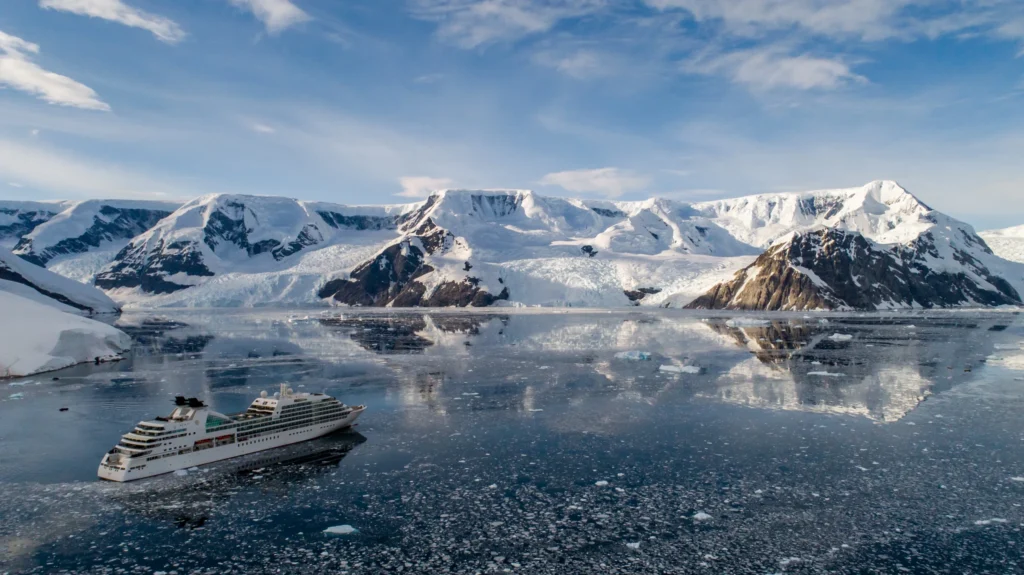
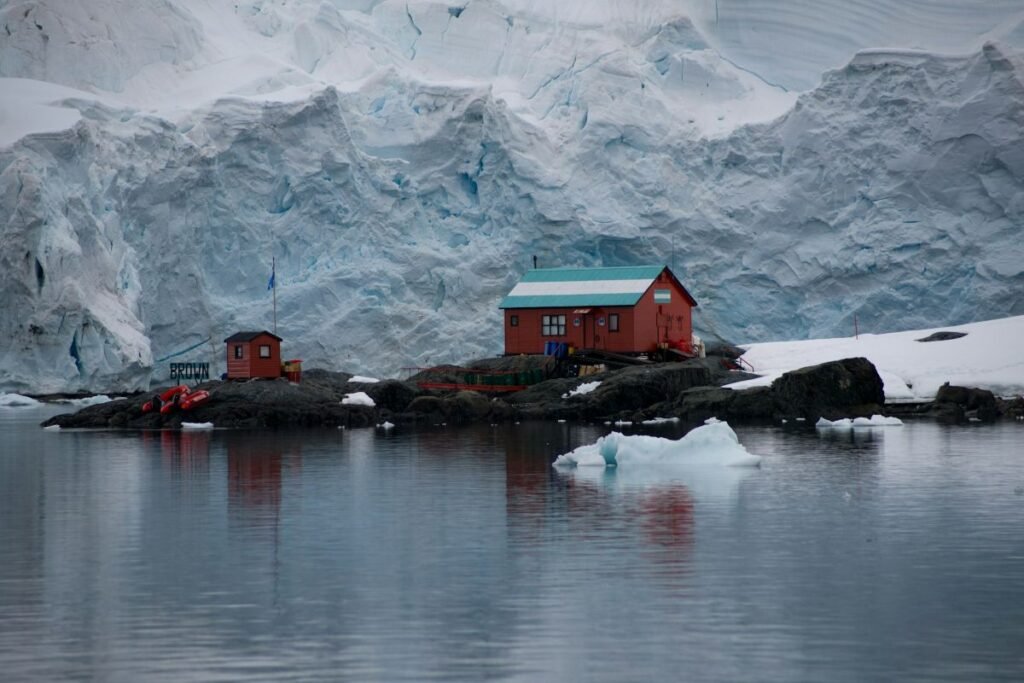
Antarctica is one of the hardest places on Earth to reach. Antarctica’s isolation is what makes it unique — but also what makes it expensive.
Unlike other cruise destinations, there are no nearby ports to rely on, and no resupply options once the journey begins. Everything must be carefully planned and carried onboard from the start.
There are:
- No commercial airports (for most itineraries)
- No infrastructure or supply chains
- Long sailing distances from South America
Everything — fuel, food, equipment — must be transported in.
Ships often travel thousands of kilometers through harsh conditions, which significantly increases operational costs.
2. Small Expedition Ships (Limited Capacity)
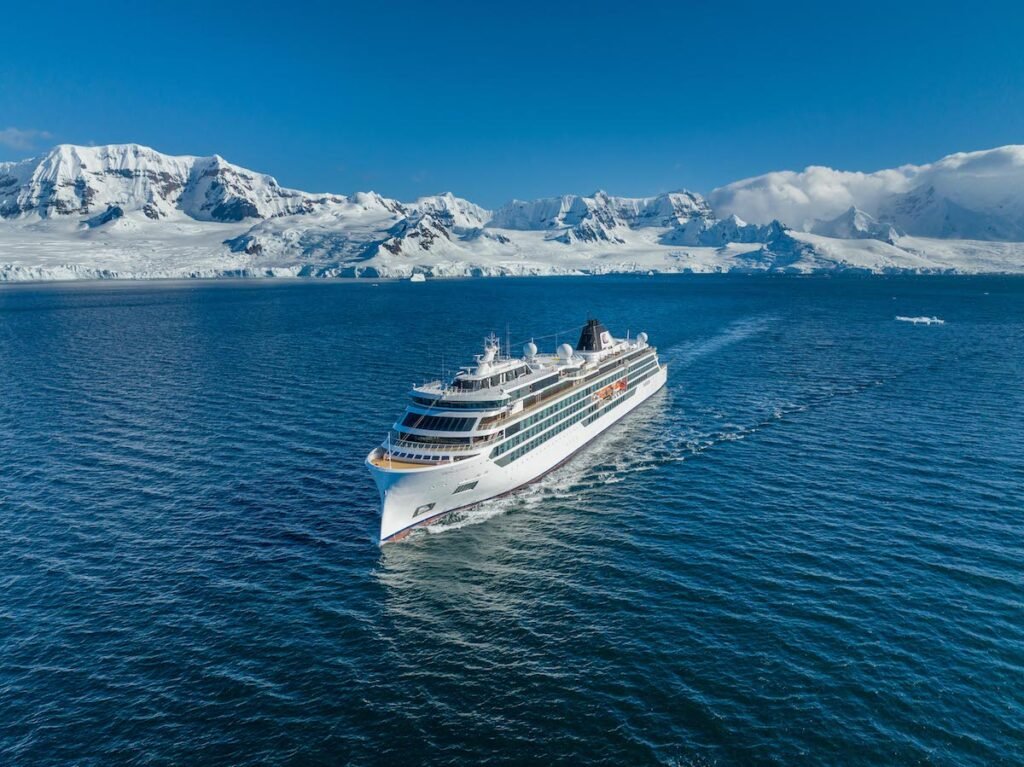
Most Antarctica cruises carry between 100 and 200 passengers. This is not a limitation — it’s intentional.
In fact, smaller ships are essential for delivering the type of experience most travelers expect. They allow for more flexibility in landing locations and reduce waiting times when going ashore, which directly improves the quality of the expedition.
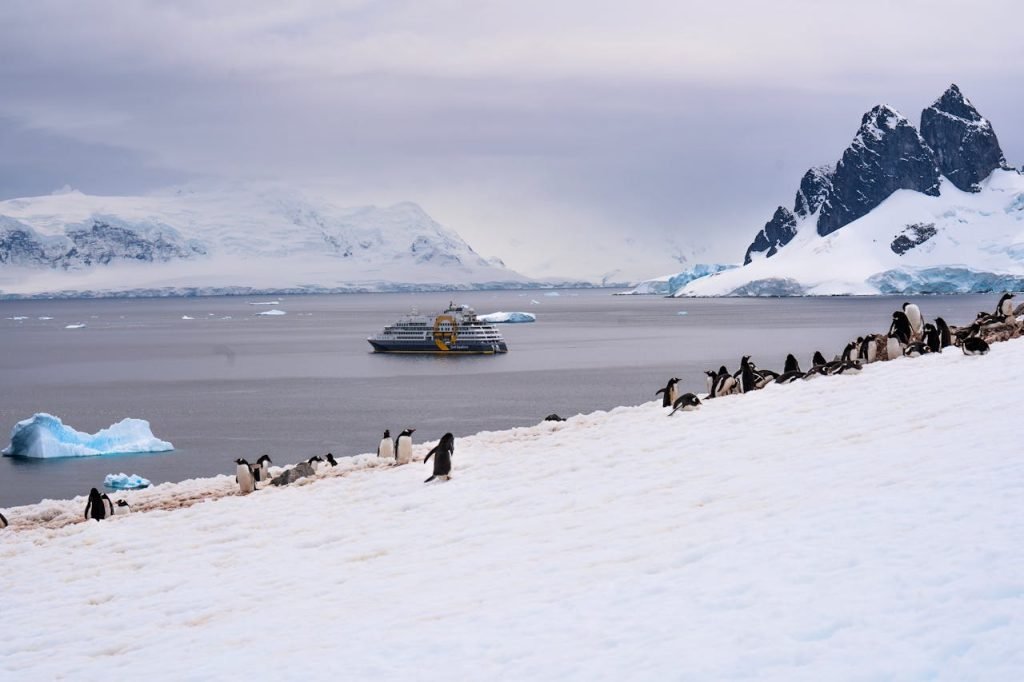
Environmental regulations restrict how many people can go ashore at once, so smaller ships:
- Allow more landings
- Provide better experiences
- Comply with regulations
However, fewer passengers also mean:
👉 Higher cost per person
This is one of the biggest reasons prices are high compared to large cruise ships.
3. Highly Specialized Expedition Teams
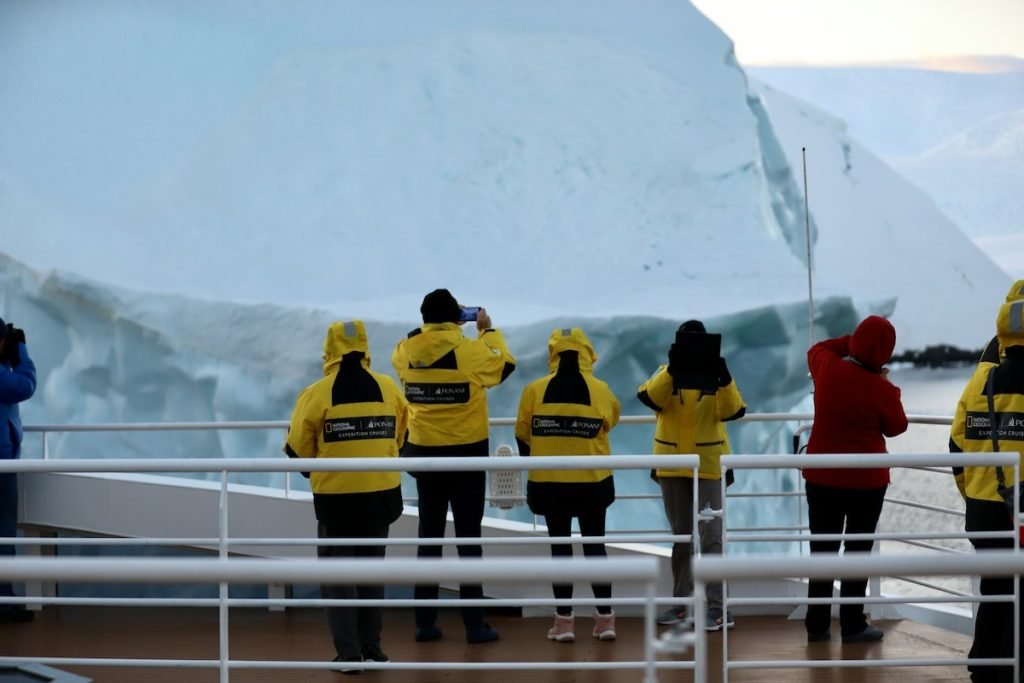
Unlike traditional cruises, Antarctica voyages are led by expedition teams. This transforms the experience from a passive cruise into an educational journey. Instead of simply observing Antarctica, you gain a deeper understanding of its ecosystems, wildlife, and climate — which is a core part of the value.
These include:
- Marine biologists
- Naturalists
- Glaciologists
- Polar experts
Their role is to:
- Guide landings
- Educate passengers
- Ensure safety in extreme conditions
This level of expertise significantly increases staffing costs — but also adds major value to the experience.
4. Strict Environmental Regulations
Antarctica is protected by international agreements that strictly control tourism. These rules are enforced internationally and apply to all operators, meaning there is very little room for cost-cutting.
Cruise lines must meet strict standards regardless of price point, which keeps the overall pricing level high across the industry.
Cruise operators must follow rules such as:
- Limited number of passengers ashore at one time
- No environmental disturbance
- Strict waste management systems
Ships must also meet high environmental standards, which increases:
- Compliance costs
- Equipment requirements
- Operational complexity
These regulations are essential — but they directly impact pricing.
5. Included Activities and Equipment
Antarctica cruises include far more than transportation. This all-inclusive structure makes pricing appear higher upfront, but it also simplifies the experience. You don’t need to budget for daily excursions or specialized gear separately — it’s all part of the expedition package.
Most voyages include:
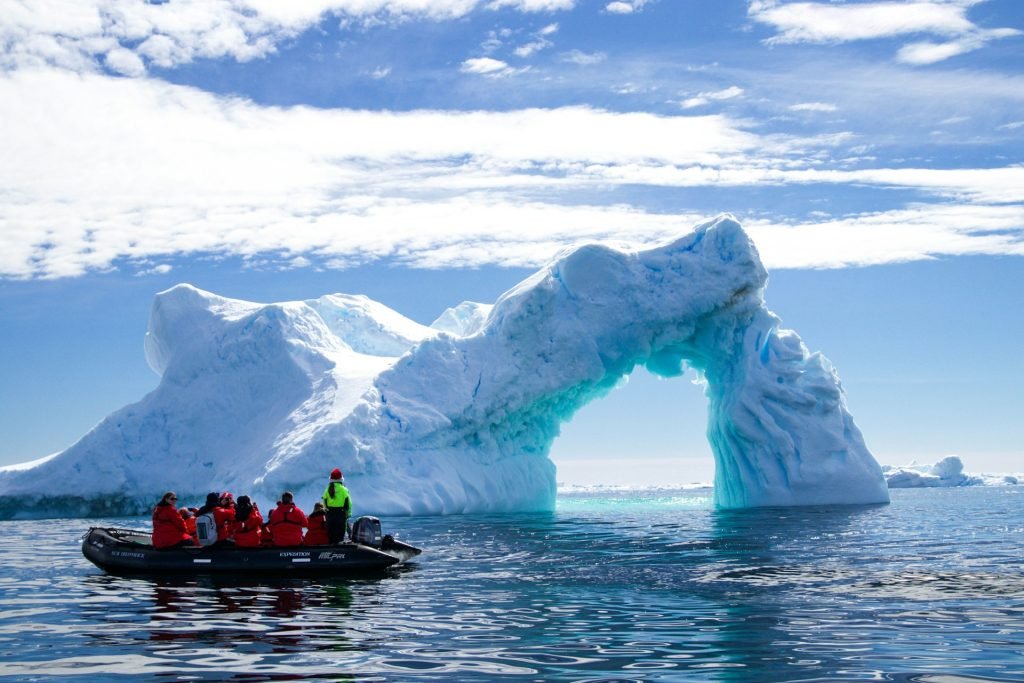
- Daily zodiac excursions
- Guided landings
- Wildlife viewing
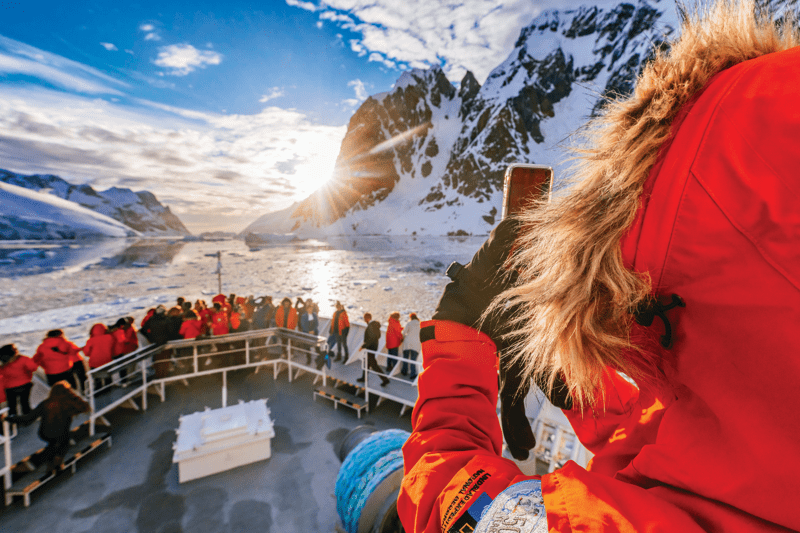
- Expedition gear (boots, parkas)
These are not optional add-ons — they are core to the experience.
Unlike mainstream cruises where excursions cost extra, Antarctica packages bundle much of this into the upfront price.
What This Means for You
When you see the price of an Antarctica cruise, it’s easy to compare it to other vacations — but that comparison is misleading.
This is where many first-time travelers misjudge the value. When compared directly to traditional cruises, Antarctica seems expensive — but when viewed as an expedition experience, the pricing becomes much more logical.
You are not paying for:
- Entertainment
- Resorts
- Ports and cities
You are paying for:
- Access to a remote continent
- A fully guided expedition
- A controlled and safe experience in extreme conditions
This is why the price feels high — but also why the experience is fundamentally different.
Are Antarctica Cruises Overpriced — Or Just Expensive?
This is an important distinction to make. While the upfront cost is high, it doesn’t necessarily mean Antarctica cruises are overpriced.
Here’s how to evaluate the difference:
They Are Not Overpriced Because:
The pricing reflects structural limitations rather than inflated margins. In other words, operators are working within constraints that naturally drive costs higher.
- Costs are driven by real operational challenges
- Regulations limit scaling (no mass tourism model)
- The experience cannot be replicated elsewhere
They Can Feel Overpriced If:
Perception plays a major role here. When expectations don’t match reality, even a high-quality experience can feel overpriced.
- You expect a traditional cruise experience
- You don’t fully use the included activities
- You choose the wrong itinerary or ship
This is why expectation alignment is critical.
If you’re unsure whether the experience matches the cost, see this guide on whether Antarctica cruises are worth it before deciding.
When the Price Feels Justified
Whether the cost feels reasonable depends largely on how well the experience aligns with your expectations and travel priorities.
Here’s when most travelers feel the price is justified — and when they don’t:
It Feels Worth It When:
For travelers who understand what Antarctica offers, the price often becomes secondary to the experience itself.
- You value unique, once-in-a-lifetime experiences
- You fully participate in landings and excursions
- You choose the right ship and itinerary
Many travelers compare Antarctica to other bucket-list trips — and in that context, the pricing becomes more understandable.
Choosing the right itinerary and operator also plays a major role, which is why reviewing the best Antarctica cruises can help ensure you’re getting the most value for your budget.
It Feels Less Justified When:
On the other hand, the cost can feel difficult to justify if the experience doesn’t align with your expectations.
- You focus primarily on cost rather than experience
- You expect luxury to be the main value
- You don’t understand what’s included
In most cases, dissatisfaction comes from mismatched expectations — not the price itself.
Can You Find Cheaper Antarctica Cruises?
It is possible to find lower-priced Antarctica cruises, but these options almost always come with trade-offs that can affect your overall experience.
However, “cheaper” in Antarctica rarely means the same thing as in other destinations. Lower prices usually come with meaningful trade-offs that can impact how much you actually experience.
Here’s what to expect when looking at cheaper options:
- Larger ships (fewer landing opportunities)
- Less favorable itineraries
- Shoulder season departures
If you’re exploring budget options, this guide to affordable Antarctica cruises will help you understand where you can save — and where you shouldn’t.
The Reality: Why Prices Are Unlikely to Drop
Many travelers wonder whether waiting could result in lower prices. In reality, Antarctica cruises are unlikely to become significantly cheaper.
This is not a market driven by mass tourism or price competition. Instead, it’s constrained by environmental limits and operational realities that naturally keep prices elevated.
Here’s why prices are expected to remain high:
- Regulations limit capacity
- Fuel and operational costs remain high
- Demand continues to grow
- Environmental protections are increasing
Unlike other travel sectors, Antarctica cannot scale easily.
That means prices will likely remain stable — or increase over time.
Final Verdict: Why Are Antarctica Cruises So Expensive?

Antarctica cruises are expensive because they combine:
- Extreme logistics
- Small-scale operations
- Specialized expertise
- Strict environmental regulations
You’re not paying for luxury — you’re paying for access to one of the most remote places on Earth.
For many travelers, that cost is justified by the uniqueness of the experience. For others, it may not align with their priorities.
Understanding these factors makes it easier to see that the price is not arbitrary — it’s built into the nature of the destination itself.
The key is understanding exactly what you’re paying for — and deciding whether that experience is worth it to you.