Affordable Antarctica Cruises: Realistic Budget Options & Smart Ways to Save
Antarctica is one of the most expensive cruise destinations in the world — but it does not automatically require a $20,000 budget.
Affordable Antarctica cruises are realistic if you understand where pricing flexibility exists.
This guide breaks down exactly how to cruise Antarctica on a budget without sacrificing the core expedition experience.
- Can you realistically cruise Antarctica for under $10,000?
- What trade-offs meaningfully reduce the price?
- When is the best time to secure lower fares?
For a complete overview of routes, timing, and planning strategy, see our Antarctica Cruises Planning Guide (2026–2028 Complete Expert Handbook).

What Does “Affordable” Mean for Antarctica?
Let’s reset expectations.
There is no such thing as a $3,000 Antarctica cruise. Strict environmental regulations, expedition staffing, ice-class ships, and logistics from Ushuaia keep prices high.
Realistic pricing tiers for 2026–2028:
| Category | Typical Price (Per Person) | What You Get |
|---|---|---|
| Entry-Level Expedition | $8,000–$11,000 | Shared or lower-deck cabin, classic Drake route |
| Mid-Range Expedition | $11,000–$16,000 | Outside cabin, stronger onboard amenities |
| Premium / Luxury | $17,000–$30,000+ | Balcony suites, fly-cruise options, higher staff ratio |
“Affordable” in Antarctica typically means $8,000–$12,000, not “cheap.”
If you’re wondering why pricing starts this high, read Why Are Antarctica Cruises So Expensive? Cost Breakdown Explained.
How Much Does an Antarctica Cruise Cost on Average?
Most Antarctica cruises range between $8,000 and $20,000 per person, depending on itinerary length, ship class, cabin type, and season.
For a full breakdown of pricing variables and cost drivers, see our Antarctica Cruise Cost Guide (2026–2028 Complete Pricing Guide).
The majority of 10–11 day Antarctic Peninsula expeditions fall between $9,000 and $14,000.
Extended South Georgia itineraries often exceed $18,000.
Can You Cruise Antarctica for Under $10,000?
Yes — but with conditions.
Here’s what that usually involves:
1. Shared Cabins

Triple or quad cabins significantly reduce per-person cost.
Best suited for:
- Solo travelers comfortable sharing
- Budget-focused explorers prioritizing wildlife over private space
- Travelers looking to avoid high single supplements
Savings: $1,500–$3,000 compared to solo occupancy.
What “Shared Cabin” Really Means
On Antarctica expedition ships, shared cabins are standard twin cabins occupied by two travelers — not hostel-style bunks. Most include:
- Two lower single beds
- Private en-suite bathroom
- Desk, storage, and climate control
- 180–250 sq ft depending on vessel
Operators such as Aurora Expeditions, Oceanwide Expeditions, and Polartours regularly pair solo travelers of the same gender to eliminate the single supplement. You are not required to find your own roommate.
Why It Lowers the Cost So Much
Antarctica cruise fares are structured per cabin. If one traveler occupies a twin cabin alone, a single supplement of 50–100% typically applies.
By sharing:
- The cabin is filled
- The supplement disappears
- Both guests pay the standard per-person rate
On a 10–11 day Peninsula itinerary, this often brings cruise-only pricing into the $8,000–$10,000 range.
2. Shoulder Season Departures

Timing significantly impacts pricing. The most affordable sailings typically occur in:
- Late November
- Early December
- Late February
- Early March
These departures often price 10–25% lower than peak holiday sailings.
Wildlife considerations:
- November: Dramatic ice landscapes, fewer penguin chicks
- March: Strong whale activity, softer light, more open water
Mid-December through January — especially holiday departures — command the highest fares.
3. Classic Drake Passage Route

Fly-cruise itineraries that bypass the Drake Passage by charter flight add approximately $4,000–$6,000 per person.
The most affordable Antarctica cruises:
- Depart from Ushuaia
- Cross the Drake Passage by expedition ship
- Operate as 10–11 day roundtrip sailings
While sea conditions can vary, the classic Drake route consistently offers stronger value pricing.
Learn more about sea conditions in our guide: How Rough Is the Drake Passage? What to Expect on an Antarctica Cruise.
If affordability is the goal, the traditional sailing route remains the strongest option.
4. Smaller, Older Expedition Ships
New-generation luxury expedition ships feature helicopters, submarines, spa facilities, and large balcony inventories — and command significantly higher fares.
Classic expedition vessels without ultra-luxury infrastructure typically offer:
- Zodiac landings
- Expert-led shore excursions
- Wildlife briefings and lectures
Landing access is regulated, meaning wildlife encounters do not improve with higher ship price tiers. Luxury increases onboard comfort — not landing frequency.
For a deeper budget breakdown, see Can You Cruise Antarctica Under $10,000? Budget Reality Guide.
What Drives Antarctica Cruise Pricing?
Understanding cost structure helps you evaluate value.
Major pricing factors include:
Ship Class
Operators such as Aurora Expeditions and Quark Expeditions operate newer purpose-built vessels with stabilizers and modern design — typically mid to premium pricing.
Ultra-luxury brands and high-end expedition lines push pricing even higher.
Older expedition ships without luxury infrastructure are usually more affordable.
For a side-by-side breakdown of leading operators and vessels, see Antarctica Cruise Ships Compared.
Itinerary Length
Common durations:
- 10–11 days (Antarctic Peninsula only) – Most affordable
- 13–15 days (Peninsula + South Shetland Islands)
- 18–23 days (South Georgia + Falklands) – Substantially higher cost
If affordability is your priority, stick to 10–11 day Peninsula itineraries.
Cabin Type
Unlike tropical or Mediterranean itineraries, Antarctica is an expedition-first destination. The majority of your time is spent:
- On deck scanning for wildlife
- Boarding zodiacs for shore landings
- Attending expedition briefings and lectures
- Exploring ashore with naturalist guides
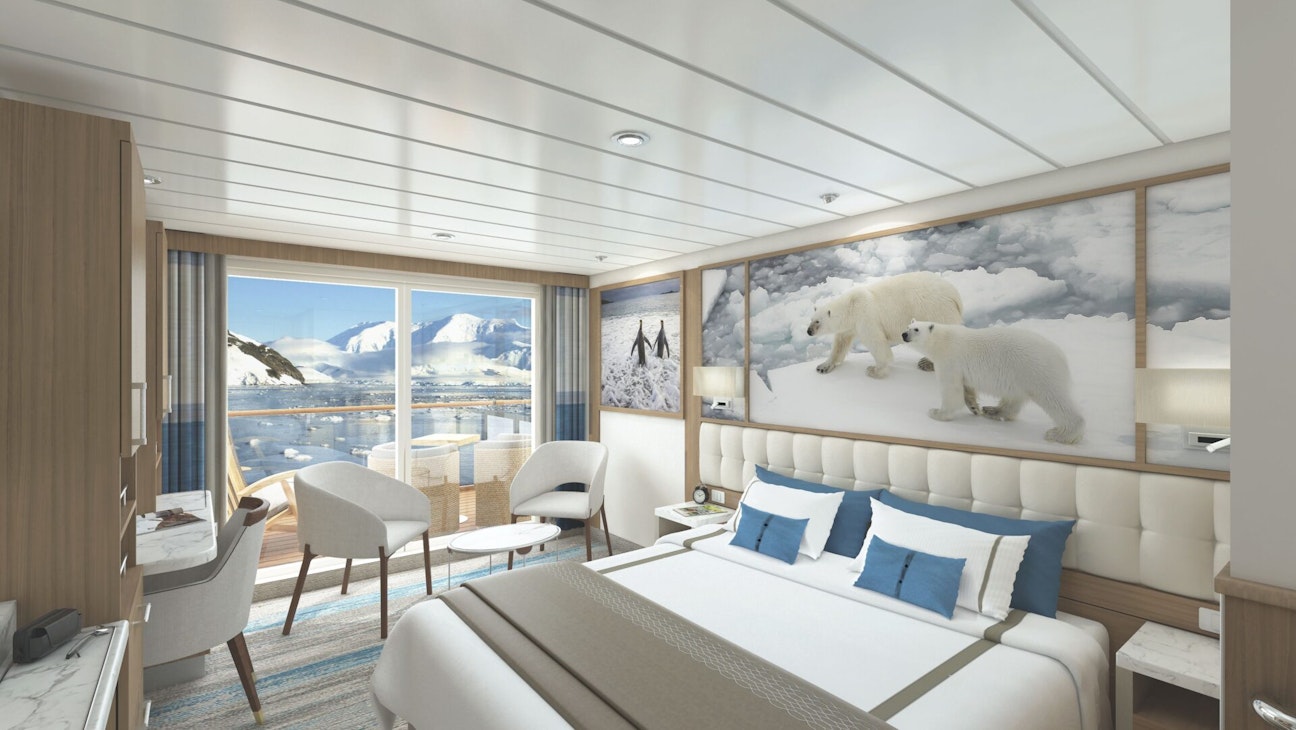
As a result, cabin selection impacts onboard comfort — but not the quality or frequency of landings.
Balcony cabins can increase fares by $4,000–$6,000 per person compared to interior or porthole categories.
For a full breakdown of cabin categories and layouts, see our Antarctica Cruise Cabins Guide.
In polar conditions:
- Cold temperatures limit extended balcony use
- Wind exposure reduces comfort during sea days
- Public observation decks often provide higher and wider panoramic views
- Wildlife encounters occur at water level or ashore — not from private balconies
Interior and porthole cabins typically offer the strongest value positioning for travelers prioritizing expedition access over private outdoor space.
Upgrading makes sense if you:
- Value private retreat space between excursions
- Prefer added square footage
- Are sailing during shoulder season and pricing gaps are narrower
For a full breakdown of whether upgrading delivers meaningful return on investment, see our guide:
Is a Cabin Balcony Worth It on an Antarctica Cruise?
Shared Cabins vs Balcony Suites: Where Real Savings Occur
Savings comparison example (Peninsula itinerary):
| Cabin Type | Typical Price |
|---|---|
| Triple Cabin | $8,500 |
| Twin Porthole | $9,800 |
| Twin Balcony | $14,500 |
| Premium Suite | $20,000+ |
The experience ashore is identical.
Luxury primarily affects:
- Cabin space
- Private balcony
- Premium dining
- Onboard amenities
The wildlife encounters remain the same.
Is Luxury Ever Worth It?
Affordable does not mean anti-luxury — it means intentional allocation of budget.
Luxury expedition ships may offer:
- Larger cabins and suites
- Spa and wellness facilities
- Advanced stabilizers
- Helicopter or submarine excursions
- Elevated dining experiences
Luxury primarily enhances onboard comfort — not core expedition access.
If your priority is wildlife, landings, and educational depth, mid-range expedition vessels often deliver equivalent Antarctic experiences at a lower overall cost.
For a detailed comparison of high-end expedition options, see our Luxury Antarctica Cruises guide.
What’s Typically Included in Antarctica Cruise Fares?
Affordable does not mean reduced access.
Even entry-level Antarctica expedition cruises include the core operational elements required to access the continent safely and legally under International Association of Antarctica Tour Operators (IAATO) regulations.
Unlike mainstream cruises — where pricing is often modular — Antarctica expedition fares are bundled around the landing experience itself. That landing access is the primary reason travelers come.
Most expedition fares include:
- All zodiac shore landings
- Daily guided excursions
- Expedition team lectures
- Waterproof expedition parka (often included)
- Meals onboard
- Port fees
That is why lower cabin pricing does not reduce wildlife access. Where pricing differences emerge is in:
- Cabin size and location
- Balcony access
- Beverage packages
- Wi-Fi quality
- Premium dining enhancements
- Optional adventure add-ons (kayaking, camping)
Understanding what is structurally included helps you distinguish between a legitimately affordable Antarctica cruise and a misleading low advertised fare that excludes mandatory costs.
Usually NOT included:
Even affordable Antarctica cruises include substantial expedition components — but they are not automatically “all-inclusive” in the luxury cruise sense.
Typically not included:
- International airfare to Argentina or Chile
- Pre- or post-cruise hotel nights
- Travel insurance (mandatory for Antarctica)
- Optional kayaking or camping programs
- Alcoholic beverages (varies by operator)
Many expedition lines include beer and wine with dinner only, while premium operators may include a broader beverage package. This is where comparing “cheap” vs “value” becomes critical.
Some higher-priced operators — such as HX Expeditions — market a more comprehensive all-inclusive structure, covering:
- Drinks throughout the day
- Specialty dining
- Wi-Fi
- Gratuities
- Expedition gear
While the base fare may appear higher, fewer onboard add-ons can narrow the real price difference.
If you’re evaluating affordability, it’s important to compare total trip cost — not just advertised cruise fare.
For a detailed breakdown of what is truly included under HX’s model, see our guide:
HX All-Inclusive: What’s Included and What Still Costs Extra?
Understanding inclusions prevents misleading price comparisons — especially in Antarctica, where mandatory insurance, transfers, and add-ons can significantly impact your final total.
Affordable vs Cheap: Avoiding Costly Mistakes
In Antarctica, extremely low pricing is rarely accidental. If a fare appears dramatically below market range, review the structure carefully before assuming it is a true bargain.
Be cautious of:
- Deeply discounted “repositioning” sailings that do not include meaningful Antarctic Peninsula landings
- Cruise-only fares that exclude mandatory charter flight or transfer packages
- Advertised prices that omit port fees, fuel surcharges, or required insurance
- Promotions limited to high-category cabins rather than entry-level inventory
Legitimate affordable Antarctica cruises still operate within strict IAATO environmental and operational regulations.
Cheapest Months to Cruise Antarctica
Seasonality is one of the most powerful pricing variables in Antarctica.
While the operating window runs from November through March, fares fluctuate significantly depending on wildlife timing, holiday demand, and ship positioning.
Late November – Early December (Early Season)
This period marks the beginning of the Antarctic summer.
Why pricing is lower:
- Demand has not yet peaked
- Holiday travel has not begun
- Some travelers prefer later wildlife cycles
Typical savings: 10–20% below peak January departures.
What you gain:
- Dramatic ice formations
- Snow-covered landscapes
- Fewer ships operating simultaneously
- Excellent photography conditions
Trade-off: Penguin nesting has begun, but chicks have not yet hatched.
If you prioritize scenery and lower fares over peak wildlife density, early season can deliver strong value.
Late February – Early March (Late Season)
Late season departures often present the second pricing window for affordability.
Why discounts appear:
- Demand softens after peak holidays
- Operators seek to optimize final sailings
- Some travelers perceive “melt season” negatively
Typical savings: 10–25% below peak January pricing.
What you gain:
- Peak whale activity
- Active penguin colonies with larger chicks
- Softer golden light ideal for photography
- More open water for navigation
Trade-off: Snow cover decreases, and landscapes appear less pristine than early season.
Peak Pricing: Mid-December Through January
The most expensive departures occur:
- Christmas sailings
- New Year departures
- Mid-January high-demand voyages
Holiday travel, school schedules, and global vacation timing drive rates upward.
If your schedule allows flexibility outside this window, fare differences can reach several thousand dollars per person.
Strategic Takeaway
If your goal is an affordable Antarctica cruise:
- Avoid holiday departures
- Target late November or late February
- Compare identical itineraries across seasonal windows
For a month-by-month pricing analysis, see When Is the Cheapest Time to Cruise Antarctica? Seasonal Price Guide.
Is Last-Minute Booking a Smart Strategy?
Sometimes — but not reliably.
Last-minute discounts may appear if ships sail with unsold cabins. However:
- Availability is unpredictable.
- You must be flexible with dates.
- Flights to Ushuaia may offset savings.
- Popular cabin categories sell out early.
Last-minute works best for travelers already in South America.
Fly-Cruise vs Classic Sail: Which Is More Affordable?
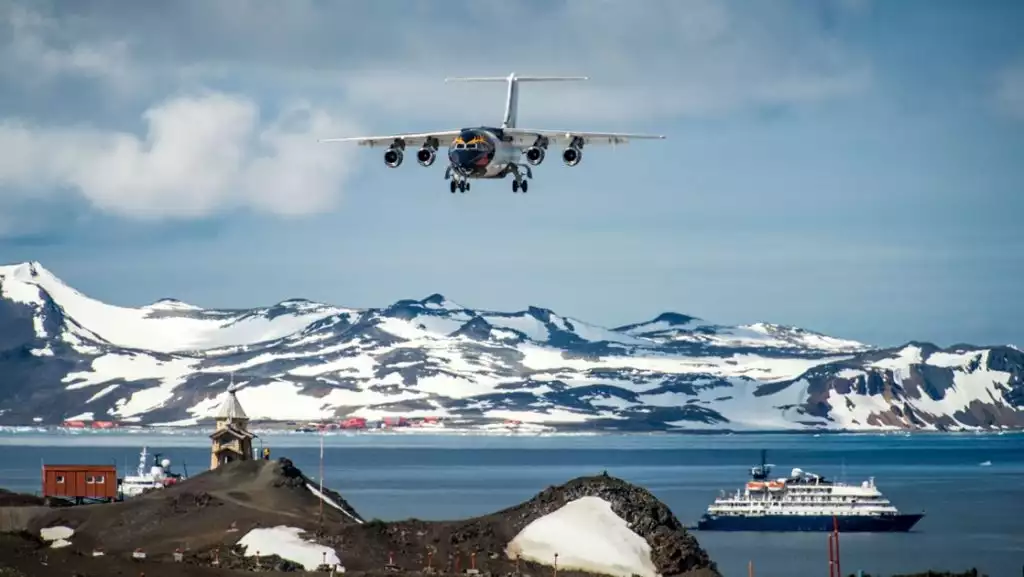
One of the largest pricing differences in Antarctica itineraries comes down to how you cross the Drake Passage.
Fly-cruise programs replace the sea crossing with a charter flight, while classic sailings operate roundtrip by expedition ship.
For budget-focused travelers, the cost gap is significant.
Classic Sail vs Fly-Cruise Comparison
| Feature | Classic Sail (Ushuaia Roundtrip) | Fly-Cruise (Chile-Based or Hybrid) |
|---|---|---|
| Drake Passage | Cross by expedition ship | Skipped via charter flight |
| Typical Duration | 10–11 days | 8–10 days |
| Starting Price (shared/lower cabin) | $8,000–$10,000 | $13,000–$20,000+ |
| Cost Structure | Most affordable option | Premium pricing model |
| Wildlife at Sea | Yes — seabirds, whales | Limited open-ocean time |
| Sea Conditions | 1.5–2 days crossing each direction | No Drake crossing |
| Weather Risk | Standard expedition variability | Flight delays possible |
| Overall Value | Strongest price-to-experience ratio | Higher comfort, higher cost |
Why Classic Sail Is More Affordable
Classic sailings:
- Eliminate charter flight costs
- Operate more standardized expedition structures
- Offer greater inventory of lower cabin categories
While the Drake Passage can be unpredictable, it is part of the traditional expedition narrative and contributes to wildlife viewing opportunities at sea.
When Fly-Cruise Makes Sense
Fly-cruise itineraries may appeal to travelers who:
- Strongly prefer avoiding potential rough seas
- Have limited vacation time
- Prioritize convenience over cost
However, the pricing premium is substantial.
If affordability is your primary objective, classic sail itineraries departing from Ushuaia remain the most cost-effective structure.
For a detailed breakdown of sea conditions and motion expectations, see: How Rough Is the Drake Passage? What to Expect on an Antarctica Cruise
A Realistic Under $10,000 Scenario (2026–2028)
What does an affordable Antarctica cruise actually look like in real numbers? Below is a realistic 2026–2028 scenario based on standard market pricing, not promotional outliers.
- 10-day Antarctic Peninsula itinerary
- Shared triple cabin
- Late February departure
- Classic sail from Ushuaia
Cruise Fare:
$8,500–$9,500
Additional Costs:
| Item | Estimated Cost |
|---|---|
| International Flights | $800–$1,500 (varies by origin) |
| Buenos Aires/Ushuaia Hotel (1–2 nights) | $200–$400 |
| Travel Insurance (mandatory) | $250–$500 |
| Parka (often included) | $0 |
| Optional kayaking | $500–$900 |
Total realistic trip cost: $10,000–$12,000 all-in.
This assumes no business-class airfare and no premium cabin upgrades.
Important: “Under $10,000” is often cruise-only pricing — not total journey cost.
Comparing Operators & How to Evaluate Antarctica Cruise Deals

Affordable pricing is not just about cabin type. It also depends on operator model.
Examples in the market include:
- Aurora Expeditions
- Quark Expeditions
- Swoop Antarctica
- AdventureSmith Explorations
Some act as operators (owning ships), others as agencies aggregating inventory.
Budget differences typically result from:
- Ship age and size
- Staff-to-guest ratio
- Cabin layout
- Included amenities
- Onboard luxury standards
- Charter structure
However, IAATO landing regulations limit how many guests can land at once (100 passengers ashore at a time), meaning even larger ships rotate landings efficiently.
How to Evaluate “Deals” without Overpaying
The term “deal” is common in Antarctica marketing.
When reviewing discounted departures, check:
- Is the discount applied to a high base price?
- Are port fees included?
- Is a mandatory transfer package excluded?
- Does the itinerary reduce landing days?
- Is cabin inventory limited to high categories?
A 25% discount on a luxury suite is not automatically affordable.
For a full analysis of how discounts actually work, see Are Antarctica Cruise Deals Real? How Discounts Actually Work.
Best Strategy for Securing Lower Pricing
If affordability is your priority for 2026–2028 departures:
1. Book 12–18 Months Early
Early booking discounts often beat last-minute speculation.
Popular departures often fill quickly — see Do Antarctica Cruises Sell Out? When to Book for 2026–2028.
2. Travel in Late Season
February–March often sees slightly lower base fares.
3. Choose Classic 10–11 Day Itinerary
Avoid extended South Georgia add-ons if budget is strict.
4. Avoid Solo Supplements
Shared cabins dramatically reduce cost.
5. Monitor Reputable Agencies
Specialist agencies occasionally negotiate group allotments.
Frequently Asked Questions
Summary: What Affordable Antarctica Cruises Really Look Like
| Strategy | Savings Potential | Trade-Off |
|---|---|---|
| Shared cabin | High | Reduced privacy |
| Shoulder season | Moderate | Wildlife timing differences |
| Classic Drake route | High | Sea crossing required |
| Older expedition ship | Moderate | Fewer luxury amenities |
| Interior cabin | Moderate | No private balcony |
Affordable does not mean diminished expedition quality — it means prioritizing experience over luxury.
Final Verdict: Are Affordable Antarctica Cruises Realistic?
Yes — if you define affordable correctly. In Antarctica, affordability is strategic — not discount-driven.
Start with itinerary strategy using our Antarctica Cruises Planning Guide, align your budget with realistic cabin expectations, and book early to secure the strongest value departures.
With informed planning, an affordable Antarctica cruise is not a compromise — it is simply a smarter way to reach the White Continent.