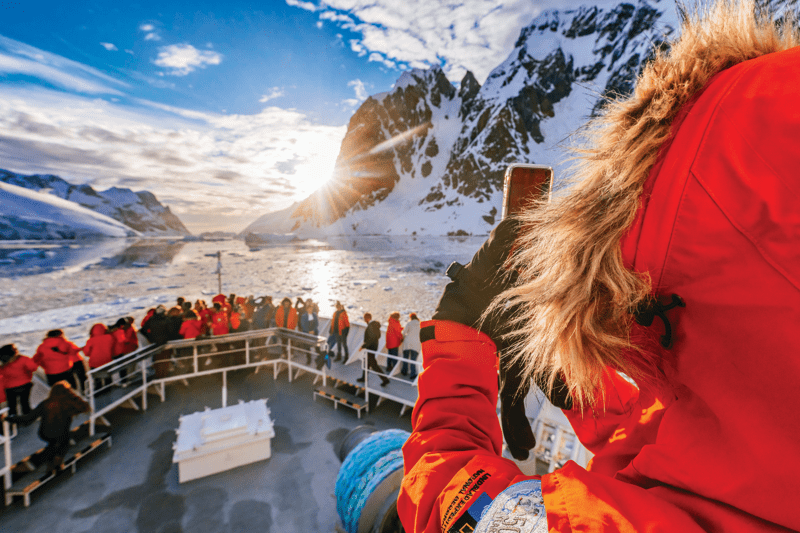
Are Antarctica Cruises All Inclusive? What’s Included and What Costs Extra
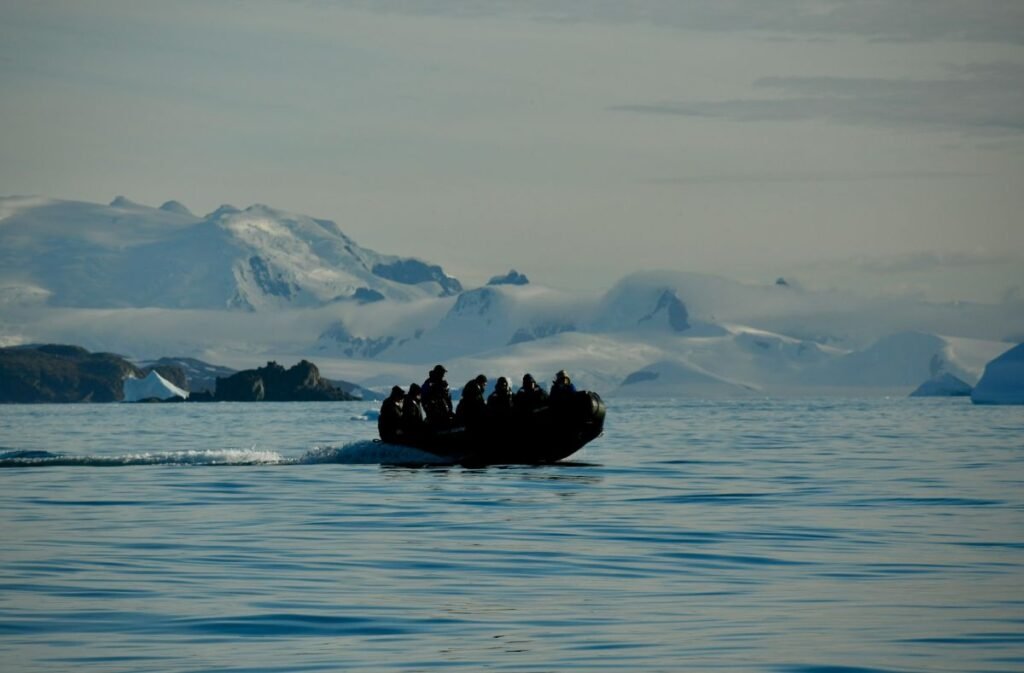
Antarctica expedition cruises are often marketed as all-inclusive adventures, but the reality is slightly more nuanced. If you’re planning a journey to the White Continent, understanding what is truly included in the cruise fare—and what may cost extra—can help you evaluate the overall value of different expedition voyages.
For a complete overview of planning an expedition to Antarctica, see our Antarctica Cruises Planning Guide.
Unlike traditional ocean cruises that visit developed ports and tourist cities, Antarctica expedition cruises operate in one of the most isolated environments on the planet. Ships navigate the icy waters of the Southern Ocean, and you explore the continent through guided landings, Zodiac excursions (also called Zodiac cruises sometimes), and educational programs led by expert expedition teams.
Most Antarctica cruises focus on the Antarctic Peninsula, where dramatic glaciers, vast penguin colonies—including Adélie penguins—and abundant wildlife are concentrated.
Because of the logistical complexity of operating in Antarctica, the cost of an Antarctica cruise often includes many elements that would be optional extras on other cruise itineraries. These may include daily Zodiac landings, expedition staff lectures, meals, and specialized gear designed for polar conditions.
If you want a detailed breakdown of pricing and what drives expedition costs, see our Antarctica Cruise Cost Guide.
However, “all-inclusive” does not always mean everything is included, and you should compare air fares, hotel costs, and optional activities when evaluating the total trip price. Certain expenses—such as international flights, pre-cruise hotels, or optional adventure activities—are typically not part of the base fare.
Understanding the difference between standard expedition inclusions and additional costs will help you compare cruise lines more effectively and choose the voyage that best fits your expectations and budget.
If you’re looking for ways to reduce costs, you may also want to explore our guide to Affordable Antarctica Cruises, which explains where real savings are actually possible.
What “All-Inclusive” Means on Antarctica Expedition Cruises
The term “all-inclusive” is used frequently in expedition cruising, but its meaning can vary depending on the operator. In most cases, it refers to a pricing structure where the majority of onboard services and daily expedition activities are already included in the cruise fare.
This differs from many mainstream cruise vacations where passengers pay separately for shore excursions, specialty dining, beverages, and various onboard experiences.
On Antarctica expedition cruises, the core experience revolves around exploration rather than onboard entertainment. The majority of activities—such as Zodiac landings and guided shore excursions—are essential parts of the expedition. As a result, they are usually included in the price of the voyage.
The concept of an all-inclusive expedition cruise generally includes three major components:
Expedition operations
This covers the logistical elements required to safely explore Antarctica. Ships carry fleets of Zodiac boats used for landings, and trained expedition teams guide passengers ashore at wildlife sites and research stations.
Onboard services
Meals, accommodations, and many beverages are typically included during the voyage. Expedition ships also host lectures, briefings, and educational programs that form a central part of the experience on a comfortable expedition ship.
Polar equipment and safety requirements
Many cruise lines provide specialized expedition gear such as waterproof jackets or boots, which are necessary for Zodiac landings in polar conditions.
However, even the most inclusive expedition cruises may still exclude certain travel expenses that occur before or after the voyage itself.
What Is Included on Most Antarctica Cruises
While inclusions vary slightly between cruise lines, most Antarctica expedition voyages include a similar set of core services and experiences. These elements form the foundation of the expedition and are considered essential to the overall journey.
Zodiac Landings
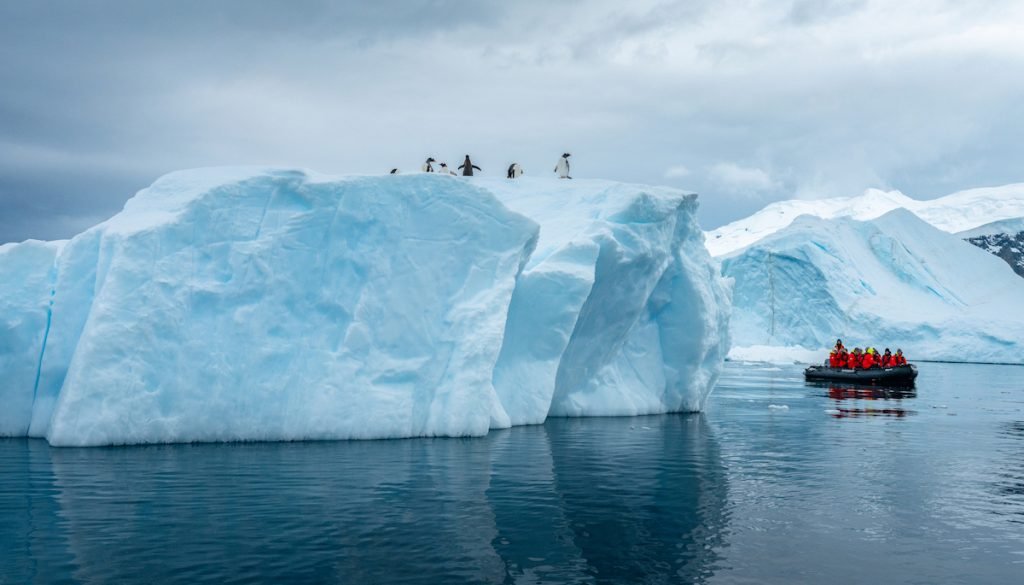
Zodiac landings are one of the defining features of Antarctica cruises. These small inflatable boats transport passengers from the expedition ship to remote beaches, wildlife colonies, and historic exploration sites.
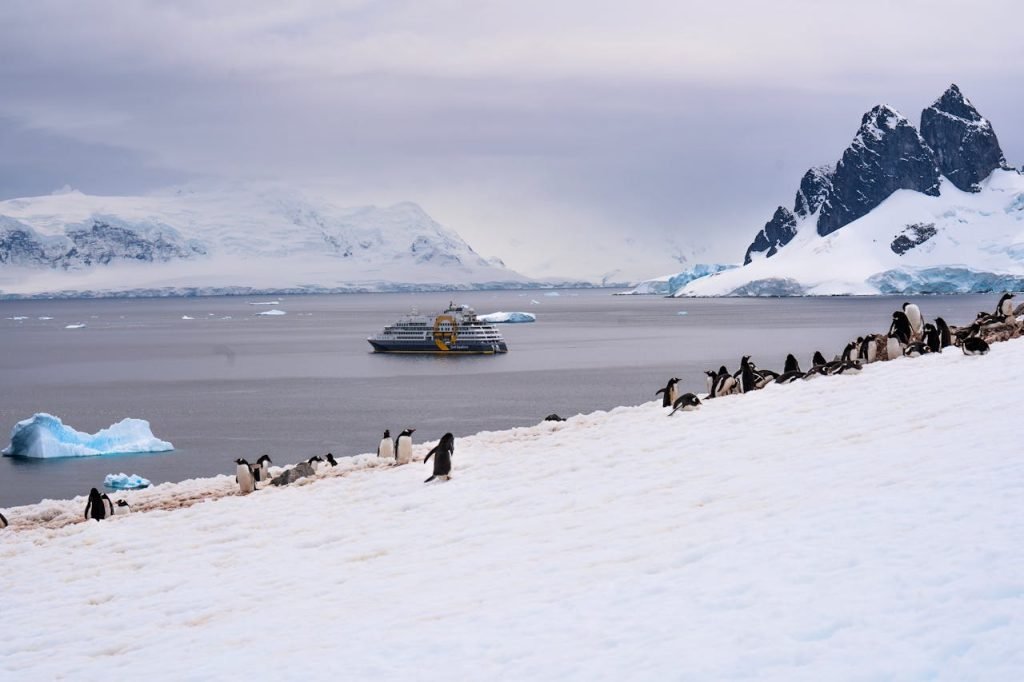
Because Antarctica lacks developed ports, ships typically anchor offshore while expedition teams coordinate landings using Zodiacs. Passengers board the boats in small groups and travel to the shoreline where they can explore glaciers, observe penguin colonies including Adélie penguins, elephant seals, and fur seals, and walk across the Antarctic landscape.
Most expedition cruises include multiple Zodiac excursions each day, depending on weather and sea ice conditions. These excursions may include both landings and scenic Zodiac cruises through icebergs or along wildlife-rich coastlines.
Since these excursions are central to the Antarctic experience, they are almost always included in the cruise fare.
Expedition Team Lectures

Another key component of Antarctica expedition cruises is the presence of a dedicated expedition team. These specialists may include marine biologists, glaciologists, historians, ornithologists, and experienced polar guides.
Throughout the voyage, expedition staff host lectures and presentations designed to help passengers understand the environment they are exploring. Topics may include Antarctic wildlife, polar history, climate science, the geology of the Antarctic Peninsula, and the region’s remarkable natural wonders.
Daily briefings are also an important part of the expedition structure. Each evening, the expedition leader typically outlines the next day’s activities and explains the landing sites that the ship plans to visit.
These educational programs transform the voyage from a simple sightseeing trip into a deeper exploration of the Antarctic ecosystem.
Meals and Dining

Meals are typically included throughout the duration of the expedition cruise. Most ships offer multiple dining venues, ranging from casual buffet restaurants to more formal dining rooms.
Because expedition cruises often spend several days at sea, dining becomes an important part of the onboard experience. Many operators emphasize regional cuisine, fresh ingredients, and menus designed to reflect the international nature of expedition travel.
On many ships, the cruise fare includes:
- breakfast, lunch, and dinner
- snacks and light refreshments throughout the day
- tea and coffee stations
- room service on certain vessels
Some luxury expedition ships also include premium dining experiences with curated tasting menus or specialty restaurants.
Expedition Jackets and Polar Gear
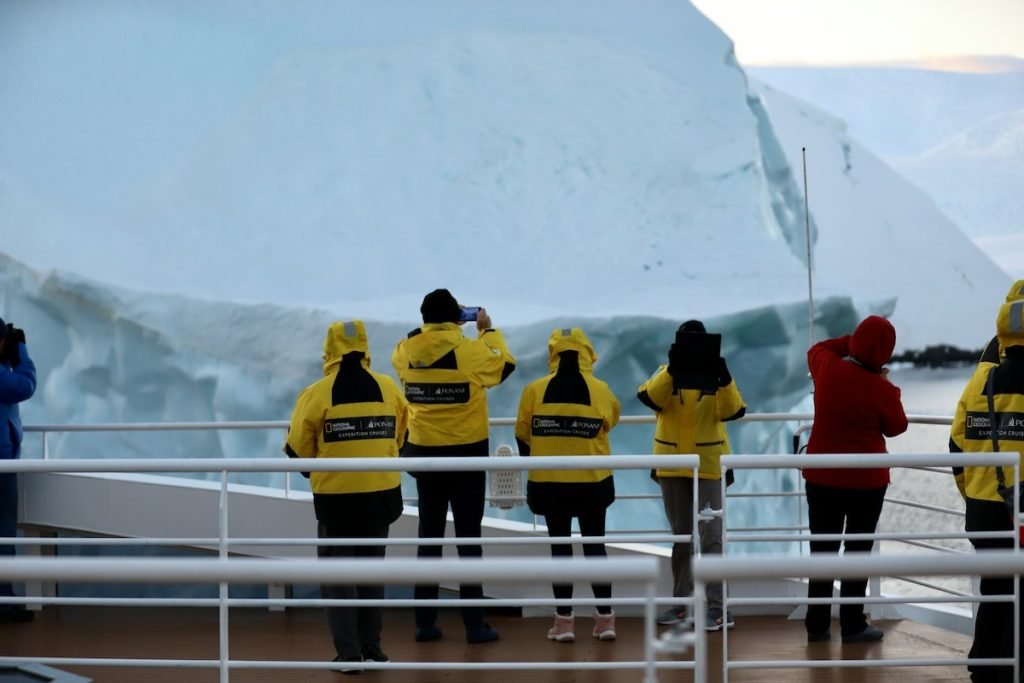
Antarctica’s weather conditions require specialized clothing designed for cold temperatures and wet landings. Many cruise lines provide passengers with expedition jackets that are suitable for Zodiac excursions and shore landings.
These jackets are typically waterproof and insulated, making them ideal for the windy conditions often encountered in the polar regions. In many cases, passengers are allowed to keep the jackets as a souvenir after the voyage.
Some operators also provide additional gear such as waterproof boots that passengers can borrow during the cruise, which is especially useful during early-season departures in late October. These boots are essential for walking across wet beaches or snow-covered terrain during landings.
Seasonal conditions can vary significantly throughout the expedition season. Our guide to the Best Time to Visit Antarctica explains how weather, wildlife, and sea ice change from October through March.
Providing this equipment helps ensure that passengers are properly prepared for Antarctic conditions without needing to purchase specialized gear before the trip.
Park Permits and Environmental Fees
Antarctica is governed by strict environmental regulations designed to protect its fragile ecosystems. Expedition cruise operators must comply with international guidelines that regulate tourism activity in the region.
Many voyages include park permits and environmental management fees as part of the cruise fare. These fees support conservation efforts and help regulate visitor access to landing sites.
Cruise operators also follow strict wildlife guidelines that control how close visitors may approach animals such as penguins, seals, and seabirds. Expedition guides ensure that these rules are followed during every landing.
By including these environmental fees within the cruise price, operators simplify the logistics of visiting Antarctica while ensuring compliance with international conservation standards.
What Is NOT Included
Even though many elements of Antarctica cruises are included in the base fare, some expenses are usually paid separately. These additional costs often relate to travel arrangements outside the cruise itself or optional activities that go beyond the standard expedition program.
Understanding these potential expenses will help you plan your overall budget more accurately.
International Flights
Most Antarctica cruises depart from Ushuaia in Argentina, located at the southern tip of South America. From here, expedition ships cross the legendary Drake Passage before reaching the Antarctic Peninsula. To reach Ushuaia, travelers usually fly first to Buenos Aires, Argentina’s capital, and then take a domestic flight to the port city, meaning roundtrip flights are typically arranged separately from the cruise fare.
International airfare to South America is generally not included in the price of the cruise, and air prices can vary depending on departure city and season. You will usually need to arrange your own flights or book airfare through a travel advisor.
However, some expedition cruise lines offer packages that include charter flights as part of the itinerary. These are most common on fly-cruise expeditions, where passengers fly directly to Antarctica rather than crossing the Drake Passage by ship.
Pre-Cruise and Post-Cruise Hotels
Because flights to Ushuaia often arrive a day before the ship departs, you will usually spend at least one night in a hotel before the expedition begins.
These hotel stays are not always included in the cruise fare, although some operators provide optional pre-cruise packages that bundle hotels and airport transfers with the voyage.
Spending a night in the departure city is usually recommended because it reduces the risk of missing the ship if flight delays occur.
Optional Adventure Activities
Some expedition cruises offer additional adventure experiences that go beyond standard Zodiac landings. These optional activities may include:
- sea kayaking among icebergs
- overnight camping on the Antarctic continent
- snowshoeing excursions
- scuba diving or specialized photography programs
Because these experiences require additional equipment and specialized guides, they usually involve an extra fee and should be reserved early once new bookings open for each departure.
If you want to participate in these activities, you should reserve them in advance because spaces are often limited.
Premium Beverages and Spa Services
Most expedition cruises include standard beverages such as coffee, tea, and house wines during meals. However, premium alcoholic beverages or specialty cocktails may incur an additional charge depending on the cruise line.
Similarly, spa treatments, wellness services, and certain premium onboard experiences are usually not included in the standard cruise fare.
Luxury expedition ships may offer more inclusive beverage packages, but policies vary between operators.
Are Excursions Included on Antarctica Cruises?
On most Antarctica expedition cruises, daily excursions are included in the cruise fare. Unlike traditional cruise itineraries where passengers purchase shore excursions separately, Antarctica voyages operate as structured expeditions where guided activities form the core of the experience.
Each day, weather and sea ice conditions permitting, passengers typically participate in two types of excursions:
Zodiac shore landings
These landings allow you to step ashore on remote Antarctic beaches, observe penguin colonies, and explore glacial landscapes under the guidance of expedition staff.
Zodiac cruising excursions
In addition to landings, expedition teams often organize Zodiac cruises through iceberg-filled bays or along wildlife-rich coastlines. These excursions offer close-up encounters with seals, seabirds, and whales such as humpback whales and minke whales that frequent Antarctic waters during the summer months.
Because environmental regulations limit the number of people ashore at one time, passengers are usually divided into smaller landing groups. While one group explores on land, another may participate in Zodiac cruising or attend onboard lectures before rotating ashore.
Since these activities are essential to the expedition structure, they are typically included at no additional cost. This ensures that every passenger can fully participate in the Antarctic experience.
Do Antarctica Cruises Include Flights?
In most cases, Antarctica cruise fares do not include international flights to South America. Travelers are generally responsible for arranging their own flights to the cruise departure port.
Most expeditions begin in Ushuaia, Argentina, which is considered the main gateway to Antarctica. Reaching Ushuaia usually involves two flights:
- An international flight to Buenos Aires
- A domestic flight from Buenos Aires to Ushuaia
However, some expedition itineraries offer an alternative known as a fly-cruise expedition. Instead of crossing the Drake Passage by ship, you fly from Punta Arenas in Chile to King George Island in the South Shetland Islands, where you board an expedition vessel that explores the Antarctic Peninsula.
Fly-cruise voyages often include the charter flight as part of the cruise package, although this varies by operator. These itineraries are popular among travelers who prefer to avoid the potentially rough Drake Passage crossing.
Before booking an expedition cruise, it is always important to review the itinerary details carefully to understand which flights—if any—are included in the overall price.
How Cruise Lines Define “All Inclusive”
While most Antarctica expedition cruises include the core elements of the expedition experience, each cruise line defines “all-inclusive” slightly differently, whether they operate smaller ships focused on expedition landings or larger vessels with more onboard amenities.
Ship size plays a major role in how expeditions operate. Our Small Ship vs Large Ship Antarctica Cruises guide explains how passenger capacity affects landings, itinerary flexibility, and the overall experience.
Some operators emphasize expedition activities and educational programming, while others incorporate additional luxury services such as premium beverages or butler service.
A few examples illustrate how cruise lines approach inclusions on Antarctica voyages.
Silversea Cruises
Silversea Cruises is known for its ultra-luxury expedition ships, which typically include an extensive list of services in the cruise fare. In addition to Zodiac excursions and guided landings, voyages often include premium beverages, butler service for all suites, and multiple gourmet dining venues.
Silversea also frequently includes expedition jackets and certain charter flights on selected Antarctic itineraries.
HX Expeditions
HX Expeditions, one of the leading expedition cruise lines in the polar regions, operates expedition voyages that combine exploration with educational programming. Cruise fares usually include daily landings, expedition team lectures, basic beverages, and expedition gear such as waterproof jackets.
HX Expeditions also emphasizes citizen science initiatives and onboard science centers where you can participate in research projects during the voyage.
You can read a full breakdown of the line’s inclusions in our guide to HX Expeditions’ all-inclusive cruise experience.
Aurora Expeditions
Aurora Expeditions focuses strongly on small-ship expedition experiences. Its voyages typically include guided landings, Zodiac cruising, expedition lectures, and specialized polar gear for shore excursions.
Aurora is also known for offering optional adventure activities such as kayaking or diving, which are available for an additional fee.
Ponant
Ponant combines luxury travel with expedition exploration. Its Antarctic cruises typically include gourmet dining, expedition activities, and educational programming led by naturalists and historians.
On some voyages, Ponant also includes premium beverage packages and luxury amenities as part of the cruise experience.
Example Comparison of Cruise Line Inclusions
While the details vary between operators, the table below provides a simplified overview of how several expedition cruise lines approach inclusions on Antarctica voyages.
| Cruise Line | Excursions | Drinks | Expedition Gear |
|---|---|---|---|
| Silversea | Included | Included | Included |
| HX Expeditions | Included | Basic beverages included | Included |
| Aurora Expeditions | Included | Basic beverages included | Included |
| Ponant | Included | Often included | Included |
This comparison highlights an important point: even though most Antarctica cruises include essential expedition activities, the definition of “all-inclusive” may differ slightly between operators and their advertised special fares or promotional packages.
If you want to compare vessels, passenger capacity, and expedition styles in more detail, see our guide to comparing Antarctica cruise ships.
Are Antarctica Cruises Worth the Price?

Antarctica expedition cruises are among the most expensive travel experiences in the world. Prices often start around several thousand dollars and can increase significantly depending on a number of factors, including ship size, itinerary length, cabin category, and travel season. Some longer voyages even cross the Antarctic Circle or visit remote destinations such as South Georgia and the Falkland Islands.
To compare operators, itineraries, and expedition styles, explore our curated list of the Best Antarctica Cruises available today.
However, the cost reflects the complexity of operating in one of the planet’s most challenging travel environments.
Expedition ships must navigate icy waters using specialized ice-strengthened hulls. They carry trained expedition teams, fleets of Zodiac boats, and advanced navigation equipment designed for polar conditions. At the same time, strict environmental regulations limit visitor numbers and control how ships operate around wildlife colonies.
Because of these logistical factors, Antarctica cruises typically include a large portion of the expedition experience within the base fare.
When you consider what is included—daily guided landings, expert lectures, meals, and expedition gear—the overall value can be easier to understand.
For many people, the opportunity to step ashore on the Antarctic continent, observe unique wildlife in its natural habitat — from vast penguin colonies to seals and whales — and explore one of the most remote regions of the Southern Ocean makes the journey a truly once-in-a-lifetime experience.
FAQ: Antarctica Cruise Inclusions
Final Thoughts
Antarctica expedition cruises are often described as all-inclusive journeys because they bundle many essential elements of the expedition experience into a single price. Daily Zodiac landings, expert-led lectures, meals, and specialized polar gear are usually included, allowing you to focus on exploration rather than logistics.
However, certain expenses—such as international flights, hotel stays, and optional adventure activities—are typically paid separately. Understanding these differences can help you compare expedition operators, evaluate the cost of an Antarctica cruise, and identify the best prices for your preferred itinerary.
Ultimately, what makes these voyages unique is not simply the level of inclusions, but the opportunity to explore Antarctica — often called the Last Continent — one of the most remarkable destinations on the planet. From towering icebergs and vast penguin colonies to unforgettable Zodiac landings along remote Antarctic shores, the experience offers a rare chance to discover the White Continent in a way very few people will ever experience.