Antarctica Cruises Cost (2026–2028 Complete Pricing Guide)

Antarctica cruise cost is driven by expedition vessel class, strict passenger limits, and one of the most complex operating environments in global travel.
For 2026–2028 departures, Antarctica cruises cost approximately $8,500 at entry level and exceed $35,000 for luxury expedition suites. Most 10–12 day Antarctic Peninsula sailings fall between $12,000 and $18,000 per person.
This pricing range reflects regulated landing access, remote logistics, small-ship capacity, and specialized crew requirements — not traditional cruise-line economics.
Evaluating Antarctica cruise cost requires understanding three variables:
- Vessel category
- Cabin selection
- Seasonal timing
This guide provides a structured, data-informed breakdown of pricing ranges, cost drivers, inclusions, and booking strategy so you can plan 2026–2028 departures with financial clarity.
For route comparisons and operator analysis, refer to the Antarctica Cruises Planning Guide (2026–2028 Complete Expert Handbook).
Antarctica Cruises Cost at a Glance (2026–2028)
| Category | Price Per Person | Typical Length | Positioning |
|---|---|---|---|
| Entry-Level Expedition | $8,500–$11,500 | 10–11 days | Shared / lower deck cabins |
| Core Expedition (Most Popular) | $12,000–$18,000 | 10–12 days | Oceanview / balcony |
| Premium Expedition | $18,000–$24,000 | 11–14 days | Larger cabins, upgraded service |
| Luxury Expedition | $25,000–$35,000+ | 12–16 days | Suites, full inclusions |
| Fly the Drake Programs | +$4,000–$7,000 | 8–10 days | Air-bridge itineraries |
These figures reflect Antarctic Peninsula voyages departing from:
- Ushuaia
- Punta Arenas
Longer voyages including South Georgia or the Falklands typically increase cost by $5,000–$12,000.
What Is the Average Antarctica Cruise Cost?
For a standard 11-day Antarctic Peninsula sailing:
- Entry-level pricing begins around $9,000.
- The market median sits between $14,000 and $16,000.
- Luxury expedition voyages typically exceed $26,000.
Leading expedition operators in this market include:
- HX
- Quark Expeditions
- Silversea Cruises
- Seabourn
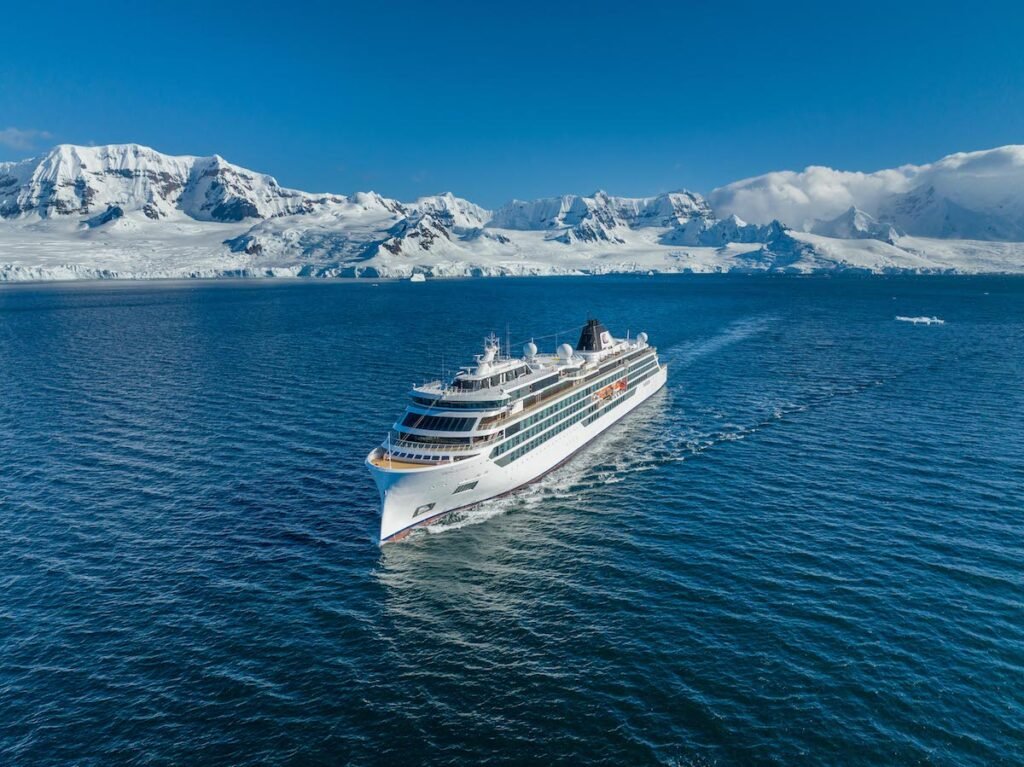
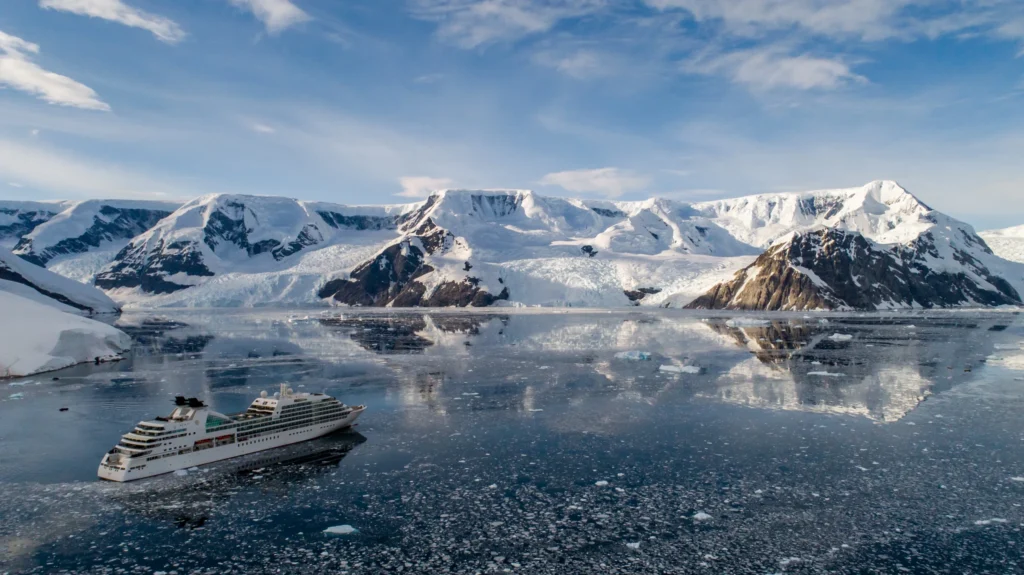
These brands operate small expedition vessels, typically carrying 100–250 guests — not mass-market cruise ships.
Capacity limitation is one of the primary reasons Antarctica cruise cost remains high.
Why Antarctica Cruises Cost More Than Other Destinations
Antarctica cruise pricing reflects expedition logistics, regulatory constraints, and vessel specialization that do not exist in mainstream cruise markets. It is structurally incomparable to Caribbean, Mediterranean, or Alaska itineraries.
Three core cost drivers define the market.
Polar-Class Vessel Requirements
Antarctica-bound ships must meet strict polar operating standards.
These vessels require:
- Ice-strengthened hull construction
- Advanced navigation and radar systems
- Redundant safety infrastructure
- Full environmental compliance under IAATO guidelines
Polar-class ships are purpose-built, smaller in capacity, and significantly more expensive to construct and operate than conventional cruise vessels. Operating costs remain elevated due to fuel consumption, crew specialization, and regulatory oversight.
Remote Logistics
Antarctica has no ports, no resupply infrastructure, and no local provisioning network.
All fuel, food, equipment, medical supplies, and expedition gear must be loaded in South America prior to departure. Turnaround operations are limited to seasonal embarkation hubs such as Ushuaia and Punta Arenas, both of which operate under capacity and weather constraints.
Fly-cruise programs add charter aviation costs to King George Island, further increasing operational complexity.
The region’s geographic isolation materially increases baseline voyage cost.
Landing Operations

Antarctica cruises are expedition operations, not entertainment cruises.
Each sailing requires:
- A fleet of Zodiac landing craft
- Certified expedition guides
- Polar-trained bridge and deck crew
- Medical staff capable of remote response
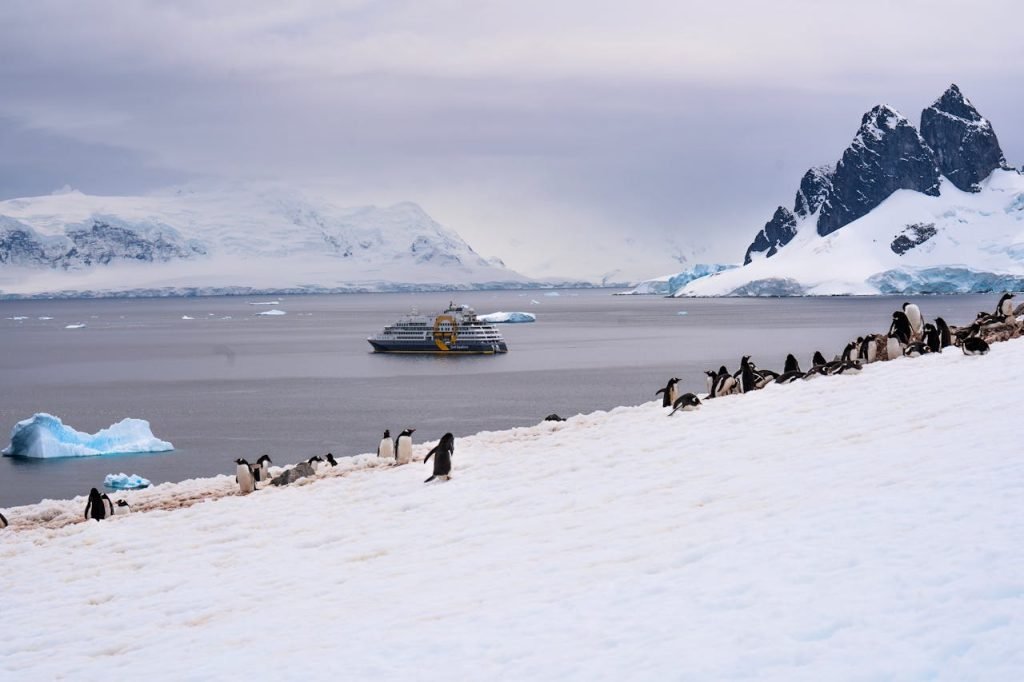
Landings are conducted in small, regulated groups under IAATO rotation rules. Ships carrying more than 100 passengers cannot land all guests simultaneously, which limits passenger capacity across the industry.
This small-ship, high-crew, low-volume operating model fundamentally drives Antarctica cruise cost.
What Is Included in Antarctica Cruise Cost?
Antarctica cruises are typically more inclusive than standard cruise vacations.
Most expedition fares include:
- Cabin accommodation
- All onboard meals
- Expedition lectures
- Zodiac excursions
- Shore landings
- Parka (often complimentary)
- Port transfers (varies by operator)
Luxury brands may also include:
- Premium beverages
- Gratuities
- Charter flights
- Butler service
A detailed inclusions breakdown is covered in the What’s Included in an Antarctica Cruise? guide.
Cabin Category Impact on Pricing

Cabin choice is one of the largest cost variables.
| Cabin Type | Upgrade Cost Over Base |
|---|---|
| Triple / Shared | Base fare |
| Porthole / Lower Deck | +$1,000–$2,000 |
| Oceanview | +$2,000–$4,000 |
| Balcony | +$3,000–$6,000 |
| Suite | +$8,000–$15,000 |
Balcony cabins command high premiums because inventory is limited on expedition ships.
A detailed comparison is available in the Antarctica Cruise Cabins Guide.
Sail vs Fly: How It Changes Cost
Choosing between traditional Drake sailing and fly-cruise models materially affects pricing.
Sailing Roundtrip (Ushuaia)
- Lowest baseline pricing
- 2 days crossing each direction
- Greater time at sea
Fly the Drake Programs (Punta Arenas)
- +$4,000–$7,000 per person
- Reduced sea days
- Higher weather contingency risk
A full operational comparison is outlined in Fly the Drake vs Sail the Drake.
Seasonal Pricing Variability (2026–2028)
Antarctica cruise pricing follows a defined seasonal demand structure across the October–March expedition window. Cost variation is driven primarily by wildlife density, holiday demand, weather stability, and cabin inventory pressure.
| Month | Pricing Trend | Why |
|---|---|---|
| November | Moderate | Early season, heavier sea ice |
| December | High | Holiday demand, nesting season |
| January | Peak | Peak wildlife & weather |
| February | High | Whale activity |
| March | Lower | Late-season discounts |
January departures often command 15–25% premiums over November sailings.
November
Early season departures offer some of the strongest value relative to experience. You can expect:
- Expansive sea ice
- Penguin courtship activity
- Fewer peak-season crowds
November sailings are often 10–20% less expensive than January equivalents.
December
Pricing rises sharply around the holiday period. Drivers include:
- Penguin nesting season
- Extended daylight hours
- Holiday sailings
Christmas and New Year departures command premium pricing. Expect 15–30% higher fares versus shoulder season.
January
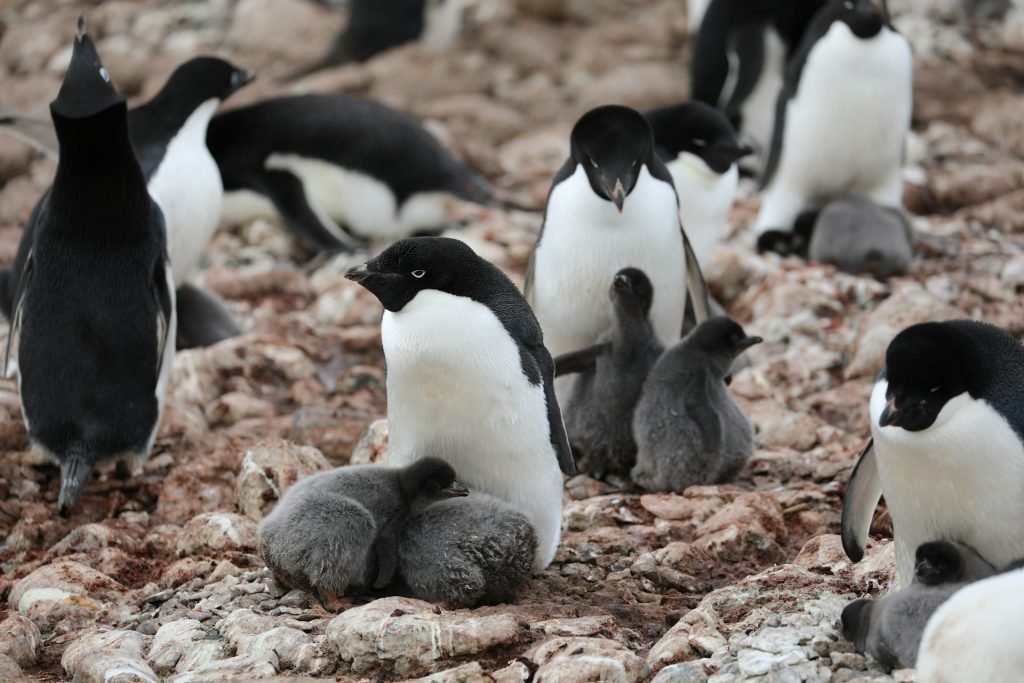
January represents peak pricing across the Antarctic season. Contributing factors:
- Warmest temperatures
- Penguin chicks visible
- Optimal landing conditions
- Northern Hemisphere vacation demand
Balcony and suite inventory frequently sells out 12–18 months in advance.
February
Pricing remains elevated but can be marginally softer than January. Highlights:
- Peak whale activity
- Penguin chicks molting
- Slightly reduced holiday demand
February offers strong wildlife density with slightly improved availability compared to January.
March
March departures typically present the most competitive pricing of the season. Characteristics include:
- Strong whale sightings
- Fewer departures
- Cooler temperatures
Late-season sailings often provide the strongest value for flexible travelers.
Seasonal wildlife trade-offs are examined in Best Time to Cruise Antarctica.
Hidden Costs of Antarctica Cruises

Although Antarctica cruise fares are relatively inclusive, several non-optional expenses must be budgeted.
International Airfare
You must reach one of the primary departure gateways:
- Ushuaia
- Punta Arenas
Typical airfare from North America or Europe ranges:
- $800–$1,500 (economy)
- $2,500–$5,000 (business class)
Holiday periods increase fares significantly.
Pre-Cruise Hotel Stay
Most operators require arrival one day prior to embarkation due to weather unpredictability.
Budget:
- $150–$400 per night (standard hotel)
- $400–$900 (premium properties)
Some luxury lines include one hotel night.
Mandatory Travel Insurance
Antarctica cruises require:
- Emergency evacuation coverage
- Medical coverage
- Trip interruption protection
Evacuation from Antarctica can exceed $100,000 due to helicopter or long-range air transport requirements.
Typical comprehensive insurance cost:
- 5–10% of total trip value
Insurance requirements are detailed in Antarctica Cruise Insurance Requirements.
Optional Activity Programs
Many expedition operators offer premium add-ons:
| Activity | Typical Cost |
|---|---|
| Sea Kayaking Program | $600–$1,000 |
| Paddling / SUP | $300–$600 |
| Camping Overnight | $300–$500 |
| Photography Workshops | $200–$600 |
These are limited-capacity programs and often sell out months in advance.
Gratuities
Mid-market expedition lines often recommend:
- $15–$25 per guest per day
Luxury brands like Silversea Cruises and Seabourn frequently include gratuities in fare.
Total Cost Modeling Example
Let’s model a realistic 11-day Antarctic Peninsula cruise:
| Expense | Estimated Cost |
|---|---|
| Cruise Fare (Balcony Cabin) | $15,500 |
| Airfare | $1,200 |
| Hotel (1 Night) | $300 |
| Insurance (7%) | $1,085 |
| Kayaking Program | $800 |
| Gratuities | $220 |
| Total Estimated Budget | $19,105 |
A $14,000 cruise fare frequently translates into a total trip investment exceeding $18,000 once mandatory and optional expenses are included.
Cost by Itinerary Length
Longer voyages increase cost — but not proportionally.
10–12 Day Peninsula Cruises
- Most common
- $8,500–$18,000
- Drake crossing required
14–16 Day South Georgia Extensions
- $16,000–$28,000
- More wildlife density
- Fewer departures
18–23 Day Falklands + South Georgia + Peninsula
- $22,000–$38,000
- Highest expedition depth
Extended voyages offer better cost-per-day value despite higher headline pricing.
Cost Per Day Analysis
Rather than comparing total fare, evaluate per-day cost.
| Cruise Type | Avg Total | Days | Cost Per Day |
|---|---|---|---|
| 11-Day Expedition | $15,000 | 11 | ~$1,360 |
| 15-Day South Georgia | $22,000 | 15 | ~$1,466 |
| Luxury 14-Day | $30,000 | 14 | ~$2,140 |
Luxury lines command 40–60% higher per-day pricing due to:
- Larger cabins
- Higher staff ratios
- Premium beverage inclusion
- Culinary upgrades
Luxury vs Core Expedition Pricing
Understanding pricing differences requires clarity on product category.
Core Expedition (e.g., HX, Quark Expeditions)
- Functional cabin design
- Expedition-focused itinerary
- Smaller ships (100–200 guests)
- Strong landing access
Luxury Expedition (e.g., Silversea Cruises)
- Larger suites
- Butler service
- Premium wine programs
- Included charter flights (sometimes)
Key point:
Landing access is governed by Antarctic regulations, not price tier.
Luxury does not increase landing frequency — it increases onboard comfort.
Ship Size and Cost Structure

Smaller ships (under 200 guests):
- Higher per-guest operating cost
- More efficient landing rotations
- Typically mid to high pricing tier
Larger expedition ships (200–250 guests):
- Slightly lower per-cabin pricing
- Longer landing rotation windows
Ship design and passenger capacity differences are analyzed in Antarctica Cruise Ships Compared.
Booking Strategy (2026–2028)
Antarctica cruise pricing is capacity-driven, not promotion-driven. Ships carry limited passengers, operate within a short seasonal window, and release inventory far in advance. Booking strategy materially affects both cabin availability and final price.
Book 12–18 Months in Advance
The strongest pricing and cabin selection are typically available at launch, 18–24 months before departure.
Prime January sailings, balcony categories, and fly-cruise itineraries often sell out first. Waiting reduces flexibility rather than price.
Early booking provides:
- Access to full cabin inventory
- Launch pricing before seasonal increases
- Greater choice across departure months
- Lower deposit exposure compared to last-minute balance payments
For 2027 and 2028 departures, forward bookings are already compressing premium inventory.
Early vs Last-Minute Pricing
Antarctica does not follow Caribbean-style last-minute discount patterns.
Late booking (within 3–6 months of departure) can occasionally yield value on:
- November sailings
- March departures
- Triple-share cabins
However, late availability typically involves:
- Limited cabin category choice
- Fewer departure dates
- Higher airfare costs
- Reduced flexibility
Because vessel capacity is fixed and regulated, pricing rarely collapses near departure.
Do Antarctica Cruises Sell Out?
Yes — especially:
- January departures
- Balcony and suite categories
- Fly-cruise itineraries
Inventory is constrained by ship size and IAATO landing regulations. Demand concentrates around peak wildlife months and holiday sailings.
Booking 12–18 months in advance materially increases cabin options and departure flexibility.
Payment Timeline & Deposits
Most operators follow a structured payment model:
- 15–25% deposit at booking
- Final balance due 120–150 days before departure
Cancellation penalties escalate sharply inside the final payment window. Travel insurance is therefore operationally necessary, not optional.
Cancellation terms are outlined in Antarctica Cruise Cancellation Policy Explained.
Are Antarctica Cruise Deals Real?
The term “Antarctica cruise deals” is often misunderstood.
Extreme last-minute price drops are rare. Instead, pricing incentives typically appear as:
- Early booking discounts
- Air credits
- Cabin upgrade promotions
- Added excursion inclusions
Operators such as HX and Quark Expeditions frequently release their most competitive pricing at launch. As departure dates approach, availability narrows rather than prices declining significantly.
Strategic flexibility in cabin type and departure month delivers better value than waiting for dramatic discounts.
Discount structures are explained in Are Antarctica Cruise Deals Real?
Pricing Trends (2026–2028 Outlook)
Antarctica cruise cost trends are influenced by:
- Fuel prices
- Argentine peso fluctuations
- Global airfare pricing
- Polar vessel construction backlog
Recent seasons have shown average annual price increases of 5–8% at launch.
Booking earlier secures current-season pricing before these adjustments are applied to future sailings.
Is an Antarctica Cruise Worth the Cost?
Whether an Antarctica cruise justifies its cost depends on expectations, not emotion.
Antarctica is not a leisure-driven cruise market. It is a regulated expedition environment where access is tightly controlled under IAATO guidelines. Passenger landings are limited, ship capacity is restricted, and environmental oversight is strict.
The value proposition is defined by access parameters:
- Small-group shore landings
- Twice-daily Zodiac operations
- Direct wildlife proximity
- Strict environmental rotation limits
- High expedition staff-to-guest ratios
Unlike mass-market cruise destinations, Antarctica does not scale through volume. Ships typically carry 100–200 guests, and landing groups are managed to minimize environmental impact.
Cost reflects:
- Vessel specialization
- Operational isolation
- Crew expertise
- Controlled visitor capacity
For travelers prioritizing remote access, wildlife density, and expedition structure, pricing aligns with other high-complexity destinations such as polar voyages or safari-based travel models.
For travelers seeking entertainment-driven cruising, resort-style amenities, or port-intensive itineraries, Antarctica may not align with cost expectations.
Value assessment should therefore be based on:
- Interest in expedition-style travel
- Tolerance for sea variability
- Priority placed on controlled wilderness access
- Budget flexibility within the $12,000–$25,000 range
Antarctica cruise cost is structurally justified within its operating framework. Whether it is “worth it” depends on alignment between traveler priorities and expedition realities.
Antarctica cruise cost planning for 2026–2028 requires early booking, seasonal awareness, and realistic budgeting beyond headline fare. Travelers who structure decisions around vessel type, cabin category, and itinerary length consistently secure the strongest value.