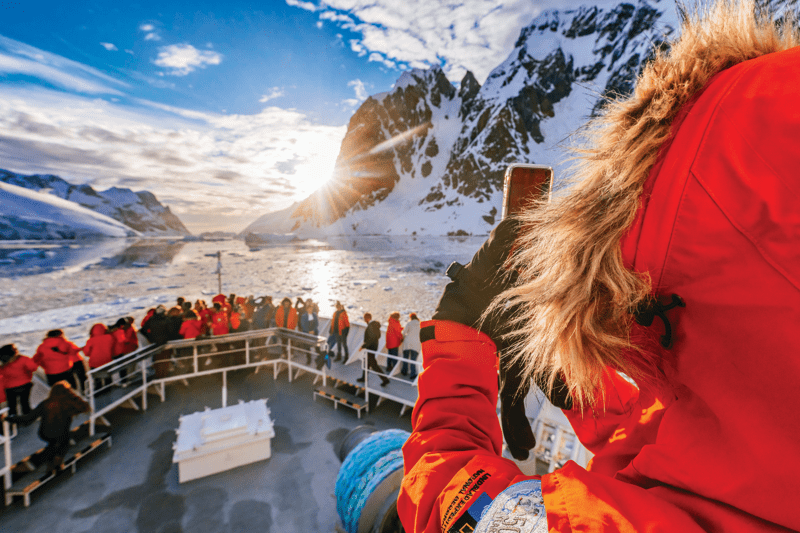
Best Antarctica Cruise Landing Sites: What You’ll Actually See Ashore (2026 Guide)
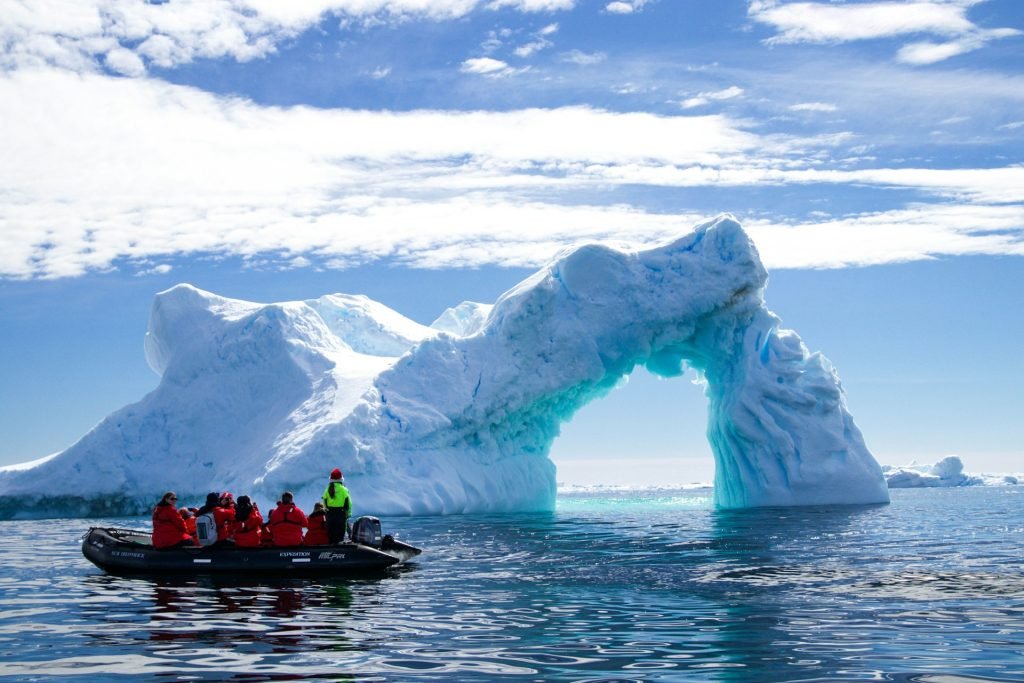
When researching Antarctica cruises, most travelers compare routes — Antarctic Peninsula cruises, South Georgia Island extensions, Falkland Islands combinations, or even rare Ross Sea voyages from New Zealand.
But what ultimately defines your unique experience is not the sailing map — it’s the landing sites.
There are no traditional ports on the Antarctic continent. No terminals. No towns. No commercial docks. Every stop involves Zodiac excursions through icy waters, guided walks across snow-covered terrain, and wildlife sightings in untouched natural habitat.
This guide explains the best Antarctica cruise landing sites, what you’ll actually see ashore, how ship size impacts access, and why these micro-destinations determine the quality of your Antarctic expedition cruise.
If you are still comparing broader itineraries, read our guide to Best Antarctica Cruise Routes & Itineraries first — then return here to understand what those routes truly include on land.
Antarctica Cruise Landing Sites Overview
| Landing Site | Region | Wildlife Highlights | Historic Interest | Typical Route |
|---|---|---|---|---|
| Deception Island | South Shetlands | Fur seals, kelp gulls | Abandoned whaling station | Antarctic Peninsula cruises |
| Elephant Island | South Shetlands | Chinstrap penguins | Shackleton survival site | Peninsula / Weddell Sea cruise |
| Port Lockroy | Antarctic Peninsula | Gentoo penguins | WWII British base | Standard Peninsula |
| Half Moon Island | South Shetlands | Southern elephant seals | Argentine research station | Peninsula |
| Danco Island | Antarctic Peninsula | Adélie penguins | Expedition landing | Peninsula |
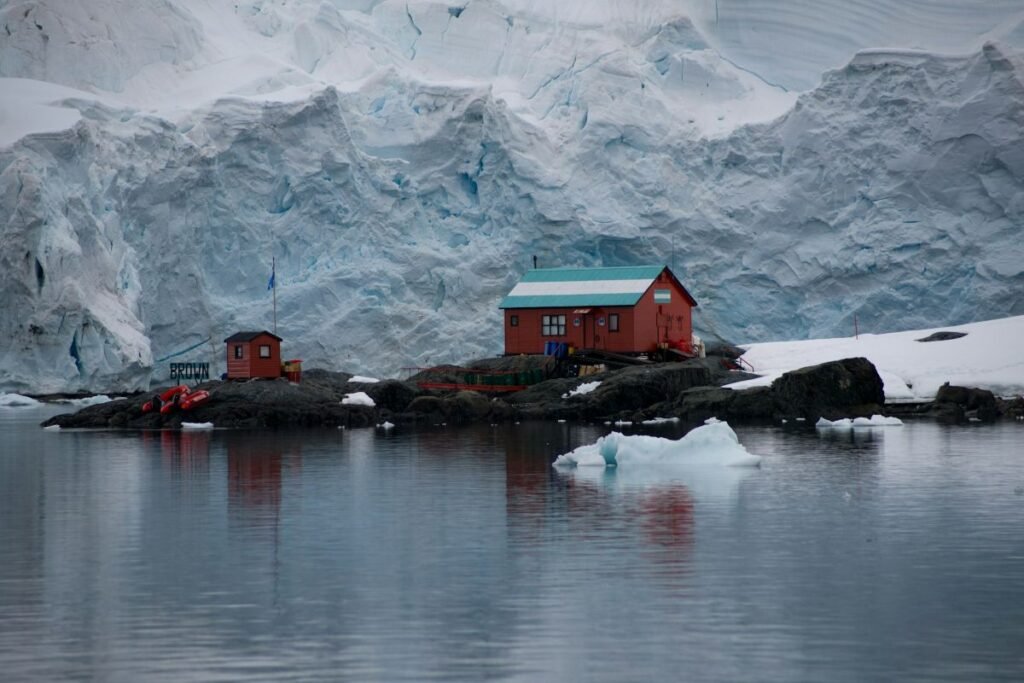
| Brown Bluff | Weddell Sea | Crabeater seals | Volcanic cliffs | Weddell Sea cruise |
| Paradise Bay | Antarctic Peninsula | Weddell seals | Scenic anchorage | Peninsula |
| St. Andrews Bay | South Georgia Island | King penguins | Wildlife-only | South Georgia extension |
How Antarctica Cruise Landings Work
Before exploring specific sites, it’s essential to understand how an Antarctic expedition cruise operates.
Unlike embarkation cities such as Buenos Aires or Punta Arenas in South America, Antarctica has no built infrastructure. There are only temporary scientific research stations and carefully managed landing zones.
The Landing Process
- Your polar expedition ship anchors offshore.
- Guests board inflatable Zodiacs in small groups.
- Expedition leaders navigate through sea ice and floating bergs.
- You perform a wet landing onto snow, rock, or sandy beaches.
Each landing typically lasts 60–120 minutes. Most Antarctic Peninsula cruises aim for two landings per day during the exploration portion of the voyage.
Ship Size Matters
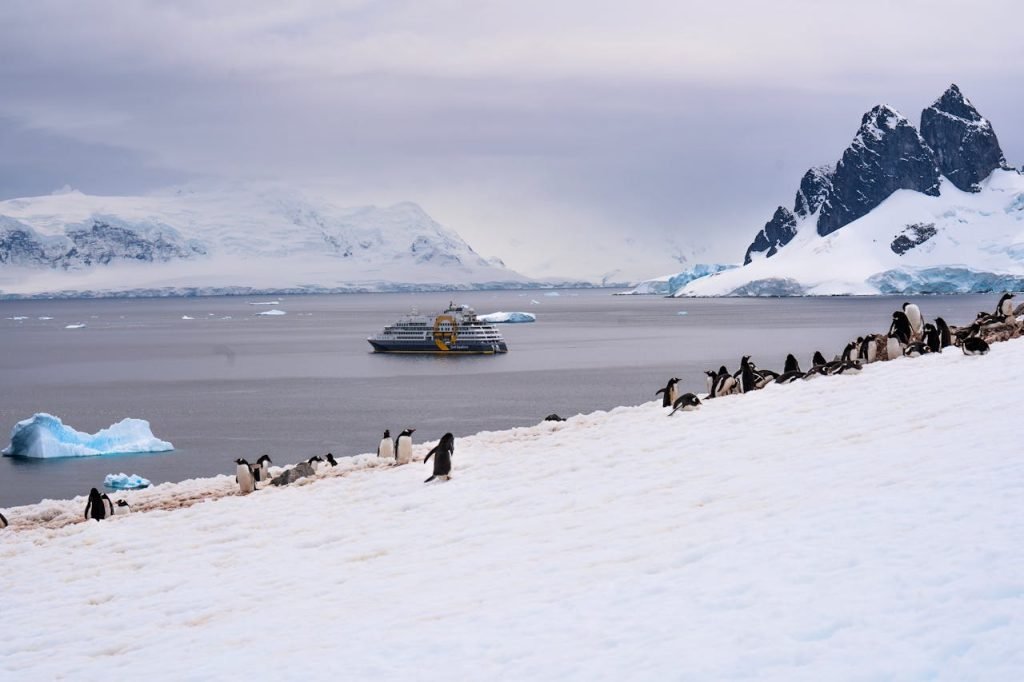
- A small ship (usually under 200 guests) rotates passengers ashore quickly.
- Larger ships must operate in waves, reducing individual time on land.
- Ships carrying more than 500 passengers cannot conduct landings under IAATO rules.
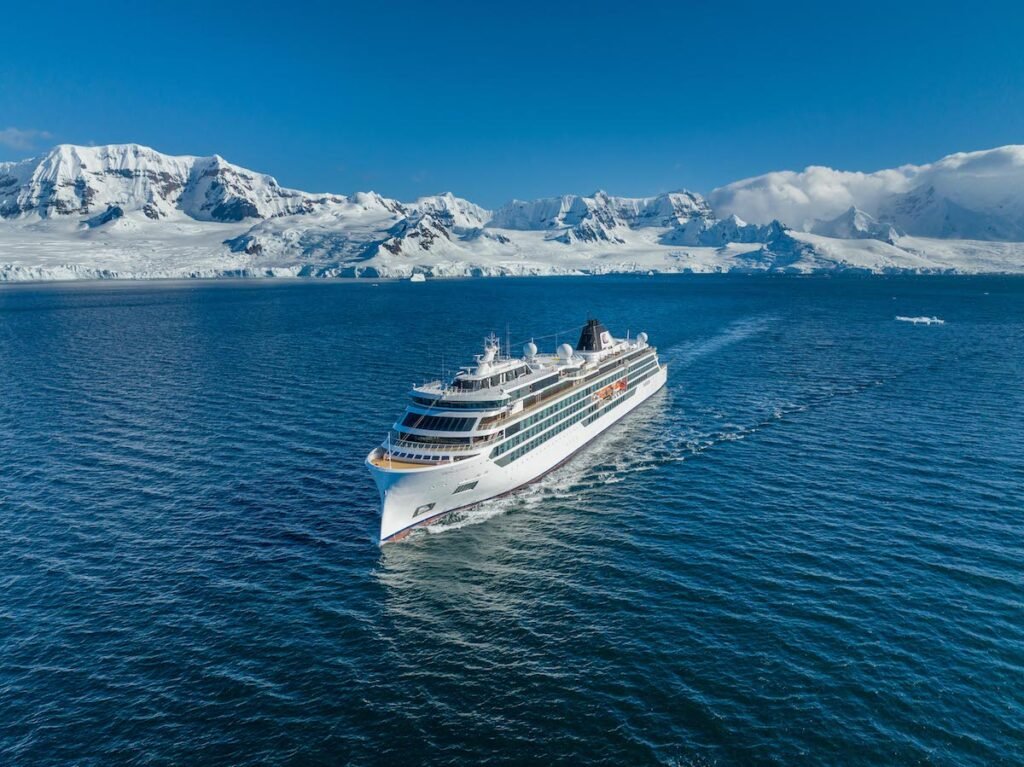
If maximizing time ashore is your priority, a small ship or dedicated polar expedition ship is often the better choice — even if it comes at extra cost compared to larger ships offering spacious suites and fine dining.
Deception Island: Volcano in the Southern Ocean
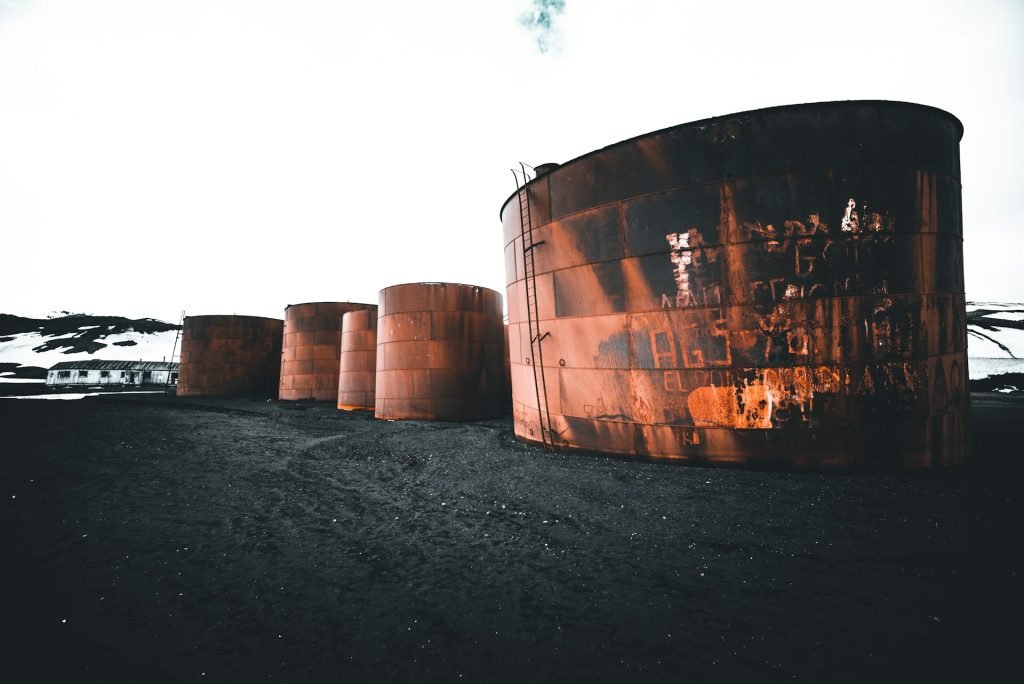
Located in the South Shetland Islands, Deception Island is one of the most dramatic landing sites in the Southern Ocean.
Ships enter through Neptune’s Bellows — a narrow volcanic opening in the caldera wall — before anchoring inside the flooded crater.
What Makes It a Great Place to Visit
- Black volcanic sand beaches
- Steam vents from geothermal activity
- Remains of an abandoned whaling station
- Kelp gulls and fur seals along the shoreline
Few landing sites combine geology, history, and wildlife so vividly.
Because of its relatively sheltered interior harbor, Deception Island is often included on early season departures beginning in late October when sea ice may limit access further south.
Wildlife sightings can include minke whales and humpback whales offshore during the height of the summer season.
Elephant Island: Shackleton’s Survival Legacy
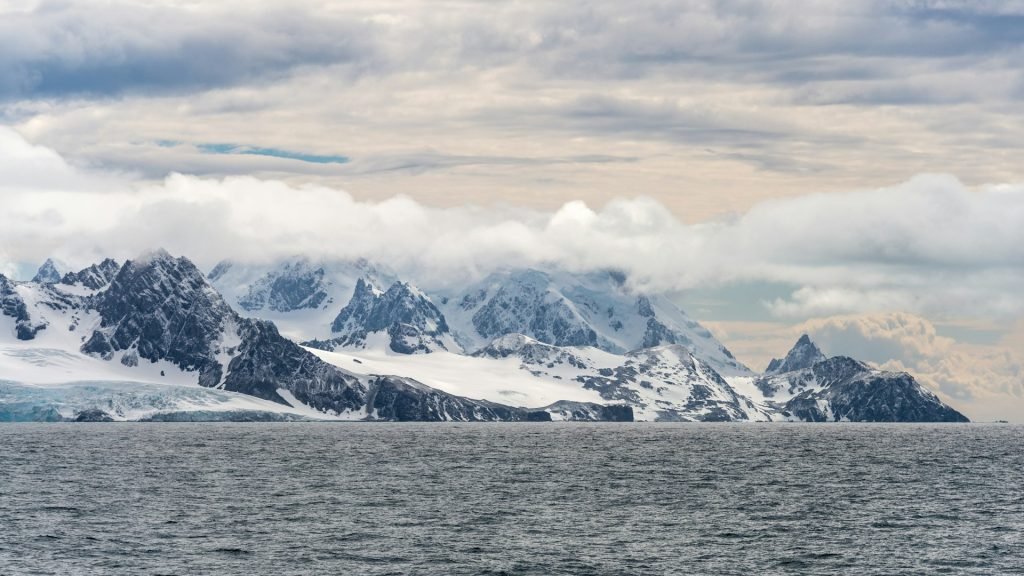
Elephant Island is synonymous with survival.
In 1916, after the Endurance was crushed by sea ice, Ernest Shackleton left 22 crew members stranded here while he sailed toward South Georgia Island seeking rescue. Their survival remains one of polar exploration’s greatest stories.
Landing Expectations
Landings are rare due to steep cliffs and strong surf. Most visits involve scenic Zodiac excursions along the rugged coastline.
Wildlife commonly seen:
- Chinstrap penguins
- Sea lions
- Weddell seals
- Crabeater seals
This site often appears on Weddell Sea cruise itineraries or more ambitious Antarctic Circle cruise routes.
It is less about walking ashore and more about understanding the scale of the landscape and the courage of early explorers.
Port Lockroy: Human History in Antarctica

Port Lockroy, located on Wiencke Island along the Antarctic Peninsula, offers rare human context in an otherwise wilderness setting.
Established during World War II for monitoring and scientific research, the station now operates under the Antarctic Heritage Trust.
What You’ll See
- Restored 1940s-era wooden buildings
- Operational post office
- Museum exhibits
- Gentoo penguin colony nearby
Unlike purely wildlife-focused stops, Port Lockroy blends history and habitat. It is one of the most photographed landing sites on standard Antarctic Peninsula cruises.
Because of its accessibility and moderate terrain, it is a frequent stop during the peak summer months.
Half Moon Island: Wildlife Concentration in Compact Terrain
Half Moon Island lies in the South Shetlands and offers excellent wildlife viewing within a manageable walking area.
Wildlife Highlights
- Large colony of chinstrap penguins
- Southern elephant seals resting along sandy beaches
- Fur seals patrolling the shoreline
- Kelp gulls and Antarctic terns overhead
An Argentine scientific research station operates seasonally here, reinforcing the balance between conservation and exploration.
Half Moon Island is often included on itineraries departing via the Beagle Channel before crossing the Drake Passage.
Danco Island: Classic Antarctic Peninsula Landing
Danco Island provides one of the most classic Antarctic Peninsula landing experiences.
Why It’s Popular
- Accessible slopes for short hikes
- Adélie penguins nesting on rocky ridges
- Weddell seals resting on ice
- Spectacular landscapes overlooking Paradise Bay
On calm days, the surrounding waters reflect snow-covered peaks, creating a postcard-like setting.
Danco Island is particularly common on Antarctic Circle cruise itineraries that push further south during the height of the summer season when sea ice has retreated.
Paradise Bay: Calm Waters and Close Encounters

Paradise Bay lives up to its name.
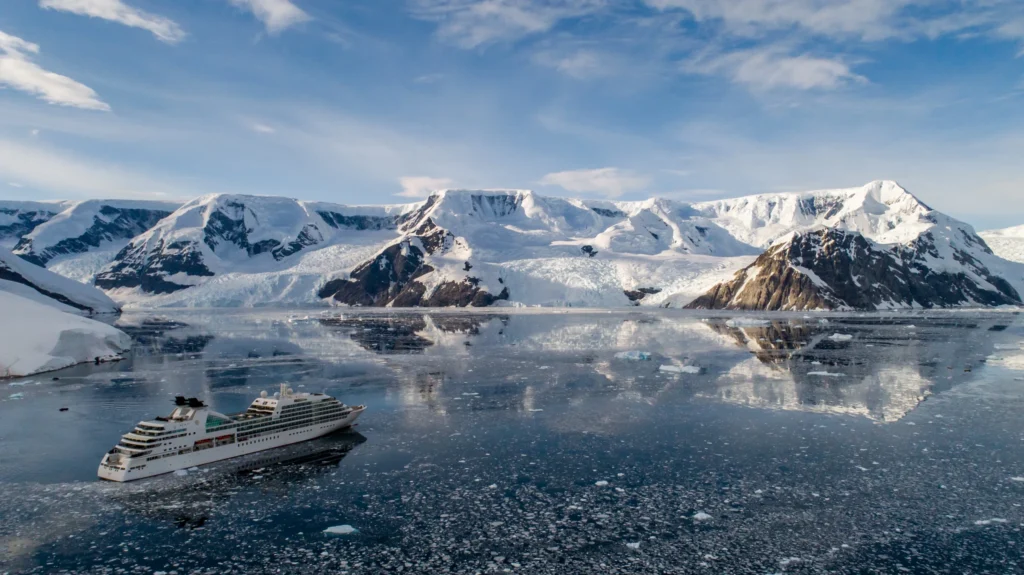
Sheltered by towering glaciers, it offers calm anchorage — ideal for Zodiac excursions through icy waters.
What Makes It Special
- Weddell seals resting on floating ice
- Occasional minke whales
- Glacier calving in the distance
- Mirror-like reflections on still days
Because of its relatively protected location, Paradise Bay is frequently included in Antarctic Peninsula cruises and sometimes used as an alternative landing if other sites are blocked by sea ice.
It is a prime example of how flexibility defines the Antarctic expedition cruise experience.
South Georgia Island: The Wildlife Capital of the Southern Ocean
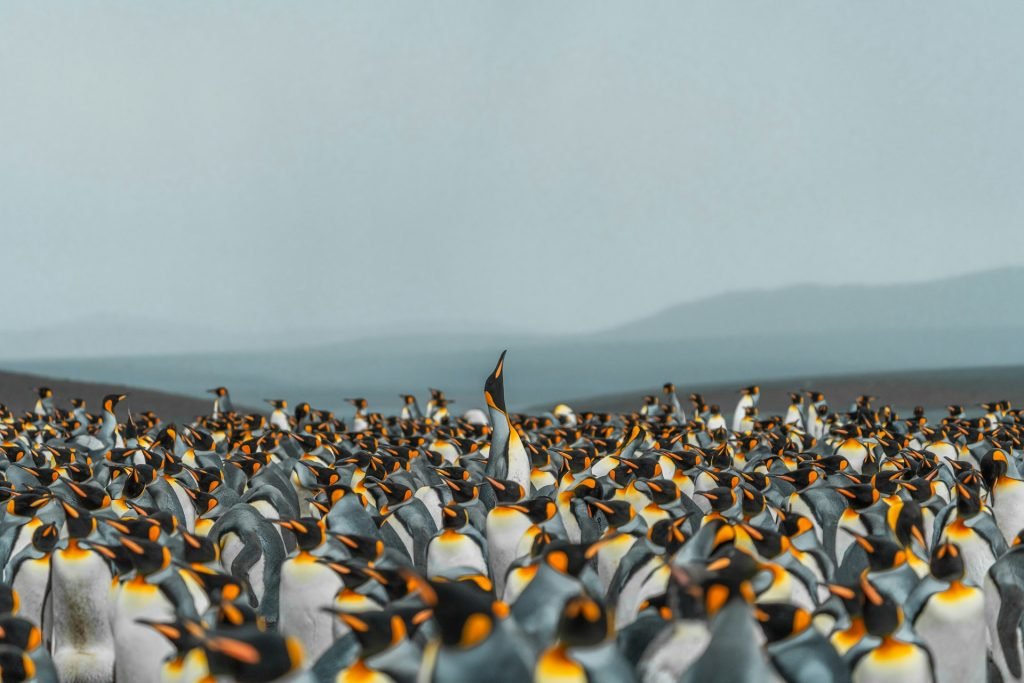
While technically one of the sub-Antarctic islands, South Georgia Island delivers some of the most powerful wildlife encounters in the entire Southern Ocean.
Many travelers assume the Antarctic Peninsula is the highlight of an Antarctica trip. In reality, those who extend their voyage to South Georgia often describe it as the defining portion of their journey.
St. Andrews Bay
St. Andrews Bay is home to one of the largest king penguin colonies in the world. Tens of thousands of king penguins stretch across the beach, backed by glaciers and dramatic mountain ridges.
You’ll also encounter:
- Massive southern elephant seals
- Fur seals guarding territory
- Skua birds circling overhead
It’s one of the few places on Earth where wildlife density feels overwhelming — in the best possible way.
Salisbury Plain
Salisbury Plain rivals St. Andrews Bay for sheer scale. King penguins move in long lines between ocean and colony, often creating a natural corridor that visitors walk alongside.
Because of surf conditions, landings require careful coordination from expedition leaders. Smaller ships typically manage rotations more efficiently here.
Prion Island
Access to Prion Island is tightly controlled to protect nesting wandering albatross populations. Not all cruise operators receive landing permission, making it a rare opportunity on select itineraries.
South Georgia is typically included on extended voyages that combine the Falkland Islands and Antarctic Peninsula cruises, often adding extra time and travel time at sea. While it involves extra cost, the wildlife rewards are significant.
Falkland Islands: Sub-Antarctic Biodiversity Before the Ice
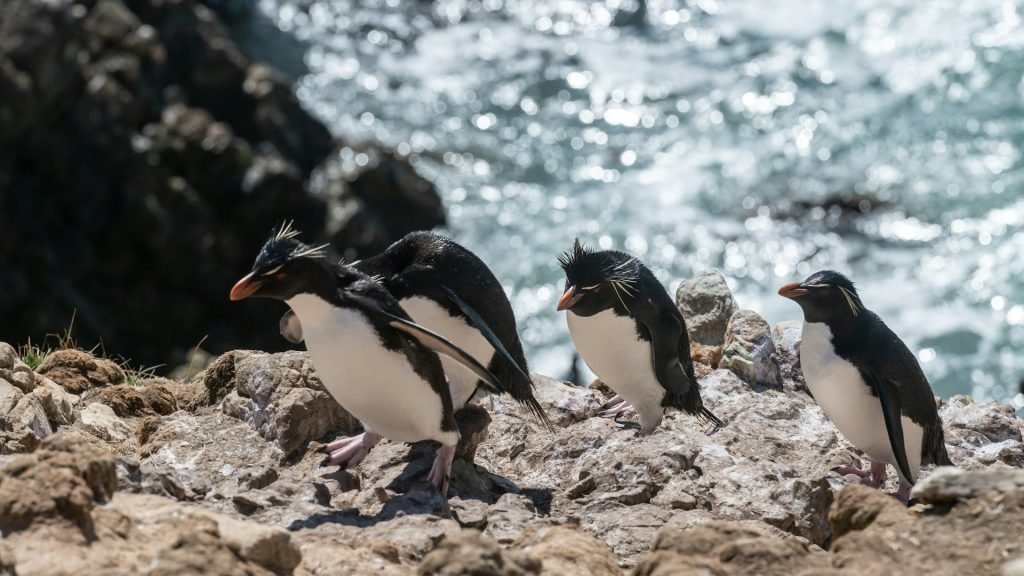
The Falkland Islands are frequently visited before crossing the Drake Passage en route to Antarctica.
Unlike the frozen Antarctic continent, these windswept islands offer grassy terrain and sandy beaches — creating contrast before entering polar waters.
Carcass Island
Carcass Island is known for:
- Magellanic penguins
- Rockhopper penguins
- Sea lions
- Kelp geese
Because there are no introduced predators here, wildlife thrives close to walking paths.
Wildlife Variety
The Falklands provide a different ecosystem from Antarctica proper. While you won’t see Adélie penguins here, you may encounter:
- Magellanic penguins
- Rockhopper penguins
- Sea lions
- Black-browed albatross colonies
These sub-Antarctic islands enhance biodiversity before heading into heavier sea ice.
Brown Bluff & the Weddell Sea: Remote and Ice-Dependent
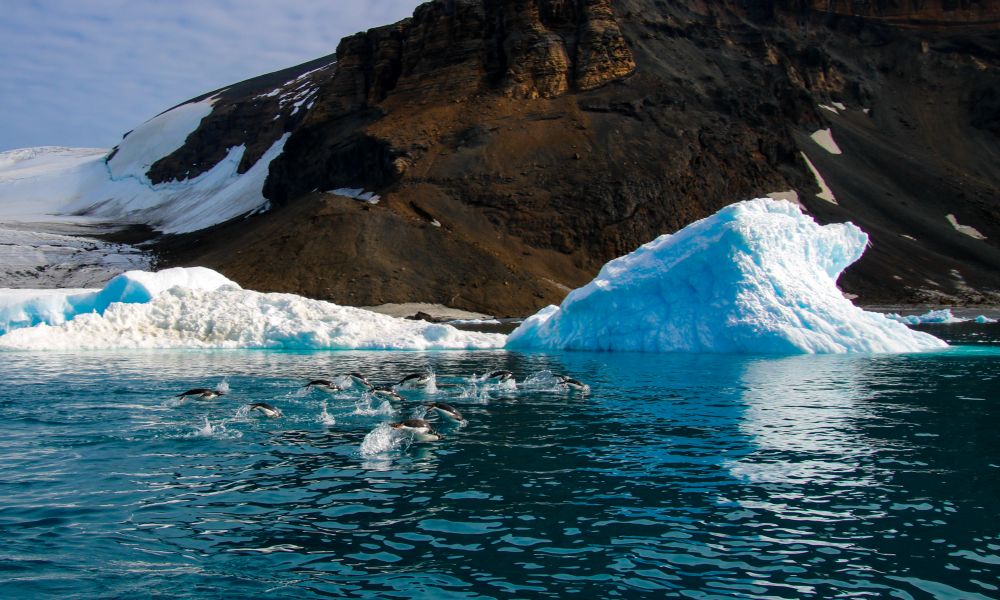
Brown Bluff, near the Weddell Sea, is famous for its towering volcanic cliffs and dramatic landing approach.
This region often appears on:
- Weddell Sea cruise itineraries
- Antarctic Circle cruise routes
- Longer Antarctic expedition cruise programs
Wildlife at Brown Bluff
- Adélie penguins
- Crabeater seals
- Weddell seals
- Occasional minke whales offshore
Access depends heavily on sea ice conditions. Some seasons allow deeper penetration into the Weddell Sea; others restrict entry entirely.
Because of this unpredictability, voyages that aim for Snow Hill Island — known for emperor penguin colonies — must allow additional travel time and flexible routing.
Snow Hill Island: A Rare Opportunity
Snow Hill Island is one of the most sought-after landing sites in Antarctica.
Accessible only in certain ice conditions, it is known for emperor penguin colonies first documented by the Swedish Antarctic Expedition in the early 1900s.
Reaching this site requires:
- Favorable sea ice
- A capable polar expedition ship
- Sufficient extra time built into the itinerary
Even on well-planned voyages, access is never guaranteed.
For travelers seeking emperor penguins, this remains one of the rarest wildlife sightings in the region.
Paradise Bay & Danco Island: Peninsula Classics
While South Georgia and the Weddell Sea represent extended or advanced itineraries, classic Antarctic Peninsula cruises frequently include:
- Paradise Bay
- Danco Island
- Brown Bluff (if venturing east)
- Paulet Island
Paulet Island
Paulet Island offers a historic link to early explorers and remnants tied to expeditions led by figures such as Douglas Mawson. It is also home to a significant Adélie penguin colony.
These Peninsula landings balance wildlife, accessible terrain, and spectacular landscapes.
How the Drake Passage Shapes Landing Opportunities
Nearly all Antarctic Peninsula cruises departing from South America must cross the Drake Passage.
Departures typically originate from:
- Buenos Aires (with connection to Ushuaia)
- Punta Arenas (for fly-cruise options via King George Island)
The Drake Passage connects the Atlantic and Pacific through the Southern Ocean and can require 36–48 hours of travel time each way.
Calmer crossings allow more energy upon arrival. Rougher seas may compress scheduling flexibility.
Some cruise operators offer fly-cruise programs that reduce time at sea, though weather delays in Punta Arenas can affect timing.
Antarctic Circle Cruises: Pushing Further South
An Antarctic Circle cruise extends beyond the typical Peninsula stops, often including more remote landing sites.
Crossing the polar circle is symbolic, but it also means:
- Increased likelihood of heavier sea ice
- Fewer other ships nearby
- Access to less-visited terrain
During the peak summer season, sea ice retreats enough to make deeper exploration possible. Late October departures may encounter more ice but fewer vessels.
How Ship Choice Affects Landing Diversity
Not all Antarctic expedition cruise experiences are equal.
Small Ship Advantages
- Faster Zodiac rotations
- More frequent landings
- Access to narrower channels
- Greater flexibility in remote locations
Larger Ships & Luxury Options
Larger ships may provide:
- Spacious suites
- Fine dining
- Observation lounges
However, landing frequency can be reduced due to passenger volume. A small ship generally offers more landing diversity — a critical factor when evaluating cruise operators.
For a complete breakdown of ship size, booking strategy, cost expectations, and seasonal planning, read our Antarctica Cruise Planning Guide.
Best Time for Landing Access
The best time to maximize landing diversity depends on seasonal priorities.
- Late October: Pristine snow, fewer vessels
- December–January: Peak wildlife sightings during summer months
- February–March: Increased whale activity, including minke whales
The summer season (October through March) is the only period when Antarctic landings occur.
Sea ice conditions determine access to sites like Brown Bluff or Snow Hill Island.
Frequently Asked Questions
Conclusion: Where Antarctica Becomes Real
Routes determine direction. Landing sites define reality.
From volcanic Deception Island to king penguin colonies at St. Andrews Bay, from reflective waters in Paradise Bay to the historic remnants of Port Lockroy, these are the moments that shape an Antarctica trip.
Whether departing from South America, crossing the Drake Passage, or extending to the Falkland Islands and South Georgia Island, your Antarctic experience is ultimately measured by the time you spend ashore.
For full planning strategy — including route comparison, travel time analysis, cruise operators, ship selection, and cost breakdown — continue to our Antarctica Cruise Planning Guide.
Because in Antarctica, the true journey begins when your boots touch the snow.