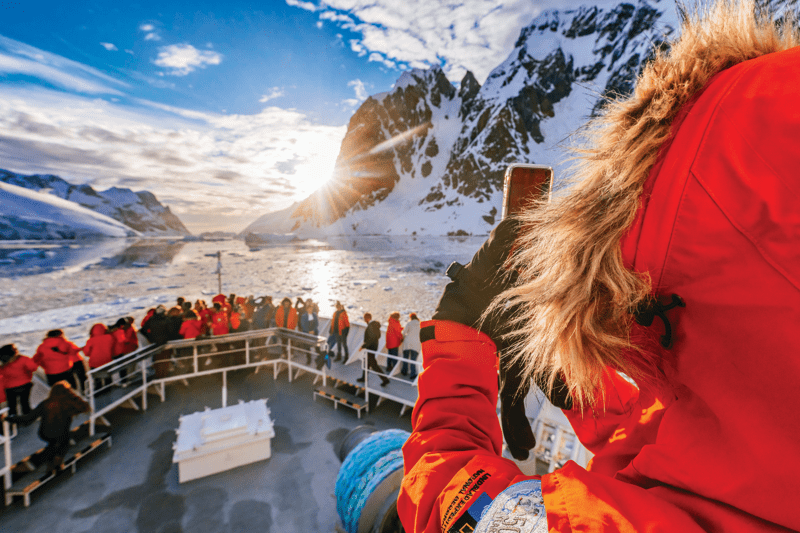
Best Antarctica Cruise Routes (2026–2028 Expert Planning Guide)

Choosing the best Antarctica cruise routes is the single most important decision you’ll make when planning an Antarctica trip. Unlike mainstream cruise destinations, route selection in the White Continent directly determines:
- Wildlife density
- Number of landing sites
- Sea conditions and comfort
- Total expedition cost
- Overall Antarctic experience
Because Antarctica cruises operate in a remote region with unpredictable weather conditions, your itinerary shapes everything — from close encounters with Adélie penguins to navigating ice floes near the Antarctic Circle.
This guide analyzes the most popular and most strategic Antarctica cruise itinerary options for 2026–2028, including classic Antarctica cruise routes, extended South Georgia voyages, fly-cruise options, and rare Ross Sea expeditions.
For a complete planning framework — including ship selection, booking timing, insurance strategy, and departure logistics — read our Antarctica Cruise Planning Guide.
Quick Comparison: Best Antarctica Cruise Routes
| Route | Duration | Wildlife Density | Sea Conditions | Price Tier | Best For |
|---|---|---|---|---|---|
| Standard Antarctic Peninsula | 10–12 days | High | Drake Passage crossings | $$ | First-time Antarctica cruises |
| Antarctic Circle Route | 12–14 days | High–Very High | Moderate–Rough | $$$ | Polar Circle milestone |
| South Georgia + Peninsula | 17–21 days | Exceptional | Variable | $$$$ | Wildlife-focused longer adventures |
| Falklands + South Georgia + Antarctica | 19–23 days | Exceptional | Moderate | $$$$ | Comprehensive expedition cruising |
| Fly-Cruise (Drake bypass) | 8–10 days | High | Calmer seas | $$$ | Shorter cruise, time-efficient |
| Ross Sea (via New Zealand) | 25+ days | Rare & Remote | Variable | $$$$$ | Beaten track explorers |
Antarctica Cruise Itineraries Explained
Antarctica cruise routes are better understood as structured expedition itineraries. Each itinerary follows a distinct geographic path, combining specific landing sites, wildlife regions, and sea crossings.
Unlike traditional cruise destinations where ports are fixed, Antarctica cruise itineraries remain flexible due to ice conditions and weather patterns. However, most voyages follow one of six established expedition frameworks:
- Classic Antarctic Peninsula
- Antarctic Circle extension
- South Georgia + Peninsula
- Falklands + South Georgia + Antarctica
- Fly-Cruise Antarctica (Drake bypass)
- Ross Sea expeditions
Understanding how these itineraries differ helps align your expectations with wildlife density, voyage duration, and overall expedition intensity.
Classic Antarctica Cruise: Antarctic Peninsula Route
Overview
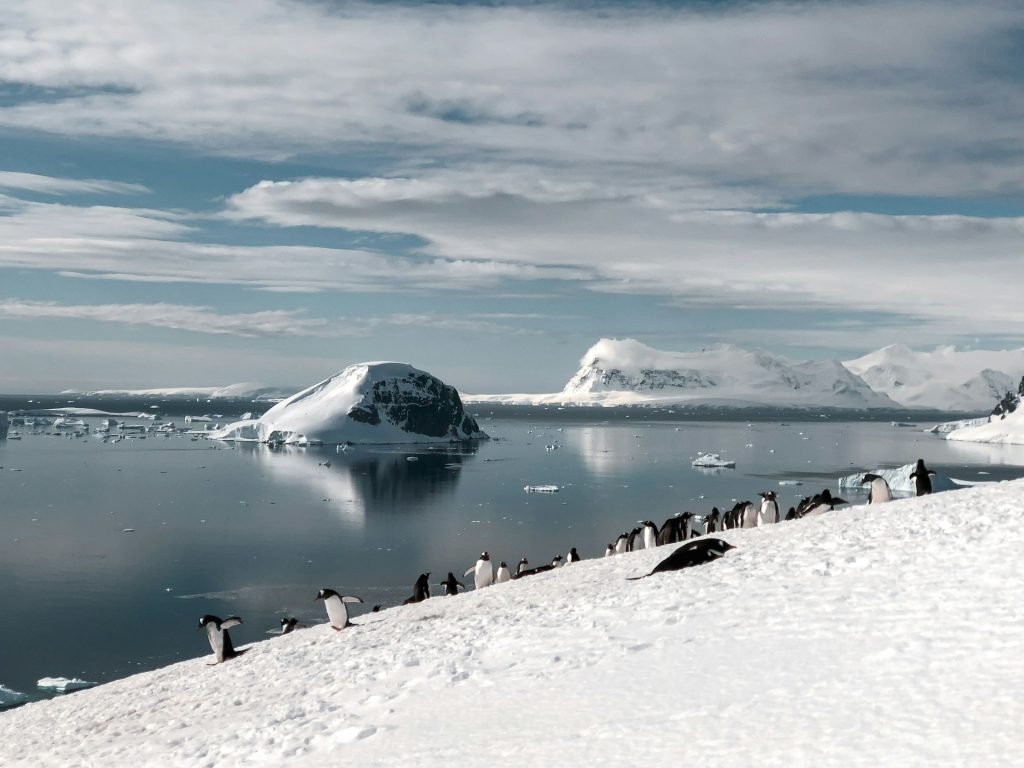
The standard Antarctic cruise focuses on the western Antarctic Peninsula. Most ships depart from Ushuaia in South America, sailing through the Beagle Channel before crossing the Drake Passage cruises corridor into the Antarctic continent.
Typical duration: 10–12 days.
This is the most booked Antarctica cruise itinerary and often the best option for first-time travelers.
For a detailed look at the most visited shores and Zodiac landing zones, see our guide to the Best Antarctica Cruise Landing Sites.
Why It Works So Well
The Peninsula concentrates wildlife, dramatic rugged mountains, and accessible landing sites within relatively short sailing distances. You’ll encounter:
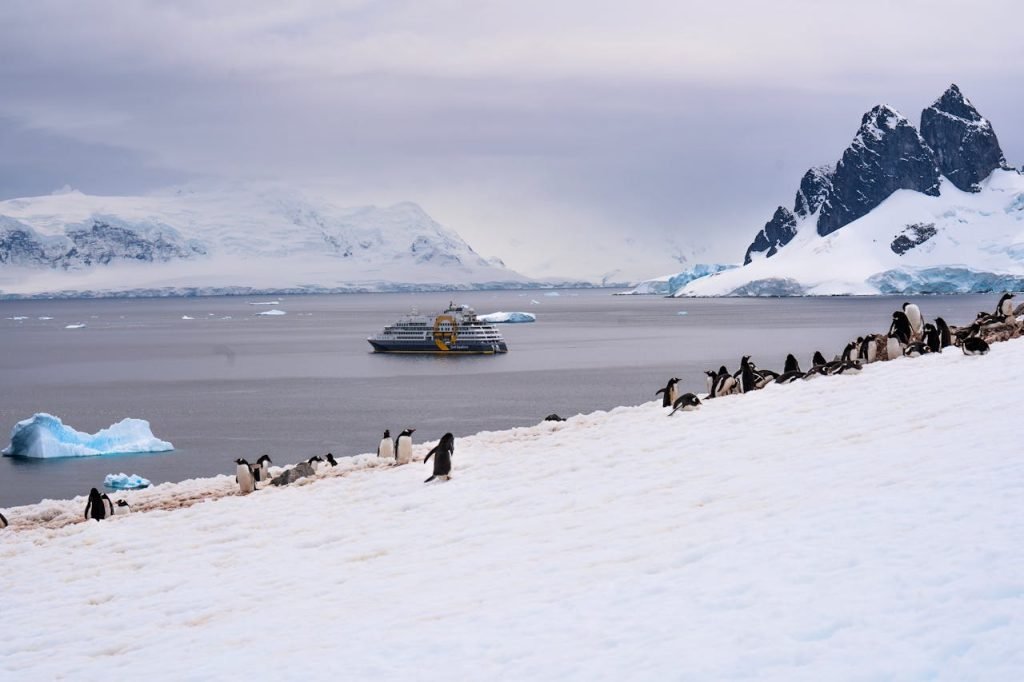
- Penguin rookery colonies (Gentoo, Chinstrap, Adélie penguins)
- Humpback whales during peak summer months
- Leopard seals and fur seals resting on ice floes
- Frequent Zodiac cruise operations
Wildlife activity varies significantly by month, so review our full breakdown of What Wildlife You’ll See on an Antarctica Cruise before choosing your departure window.
Sea Conditions & Drake Passage
The two-day crossing each way is the defining feature. Weather conditions vary from calm to intense swells. While not always rough, travelers should be in good health and prepared.
If you are deciding between traditional crossings and air options, see our comparison of Fly the Drake vs Sail the Drake.
Best Time for This Route
- Early season (late October–November): Pristine snow, fewer cruise ships, penguin courtship
- Peak summer season (December–January): Whale watching and active colonies
- End of the season (February–March): Blue whales and elephant seals returning
For many travelers, December and January offer the perfect trip balance of wildlife and daylight.
For a complete seasonal breakdown by month, including wildlife cycles and pricing trends, read our Best Time to Cruise Antarctica guide.
Antarctic Circle & Polar Circle Extension

What Makes It Different?
This route extends south beyond the standard peninsula, attempting to cross the Antarctic Circle (often referred to informally as the Polar Circle).
Duration: 12–14 days.
Crossing this latitude is symbolic — a rare opportunity in the polar regions that fewer cruise ships attempt due to ice conditions.
Highlights
- Fewer vessels operating this far south
- Dramatic ice floes and thicker pack ice
- Stronger sense of remoteness
- Higher probability of true Antarctic expedition cruise intensity
Not every voyage successfully crosses, as weather conditions and ice dictate access.
Who Should Choose This?
- Travelers wanting more than a standard Antarctic cruise
- Repeat expedition cruising guests
- Guests prioritizing deeper immersion over shorter cruise convenience
Expect a moderate additional cost compared to the classic Antarctica cruise.
For a full pricing breakdown by itinerary length and ship category, see our Antarctica Cruise Cost Guide.
South Georgia + Antarctic Peninsula
The Wildlife Powerhouse
If your Antarctica trip is driven by wildlife, adding South Georgia transforms the scale of your experience.
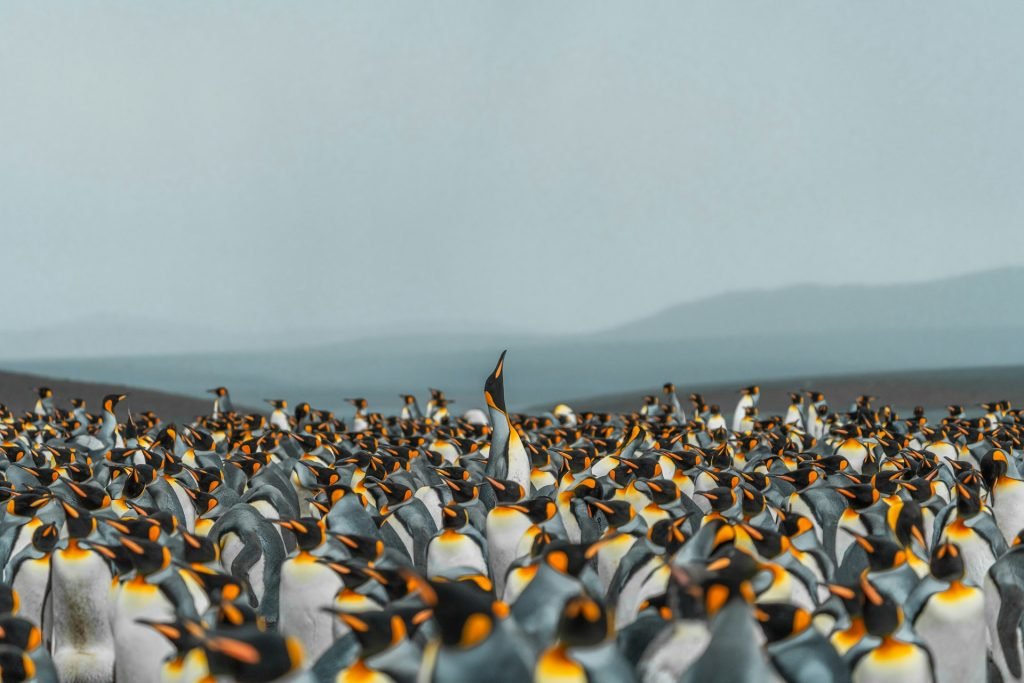
Often called the “Serengeti of the Southern Ocean,” South Georgia offers:
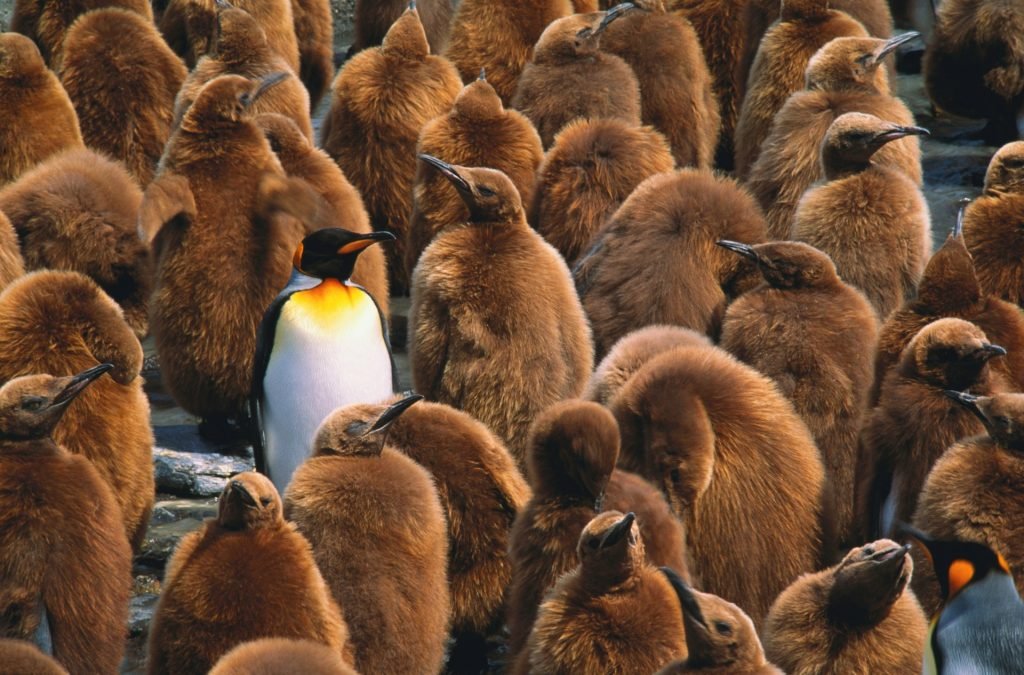
- Massive king penguin colonies
- Hundreds of thousands of fur seals
- Elephant seals in breeding dominance
- Wandering albatross nesting sites
Wildlife density here exceeds most Antarctic Peninsula sites.
Historical Depth
South Georgia is deeply linked to early explorers like Ernest Shackleton. Many itineraries visit Grytviken, where he is buried, adding emotional and historical context to your Antarctic experience.
Voyage Structure
- 17–21 days total
- Additional sea days between destinations
- Higher pricing tier
However, when evaluating price per landing opportunity, many travelers find this the best ship experience overall.
This route is strongly recommended for photographers and guests seeking longer adventures.
Falklands + South Georgia + Antarctica
The Grand Expedition Route
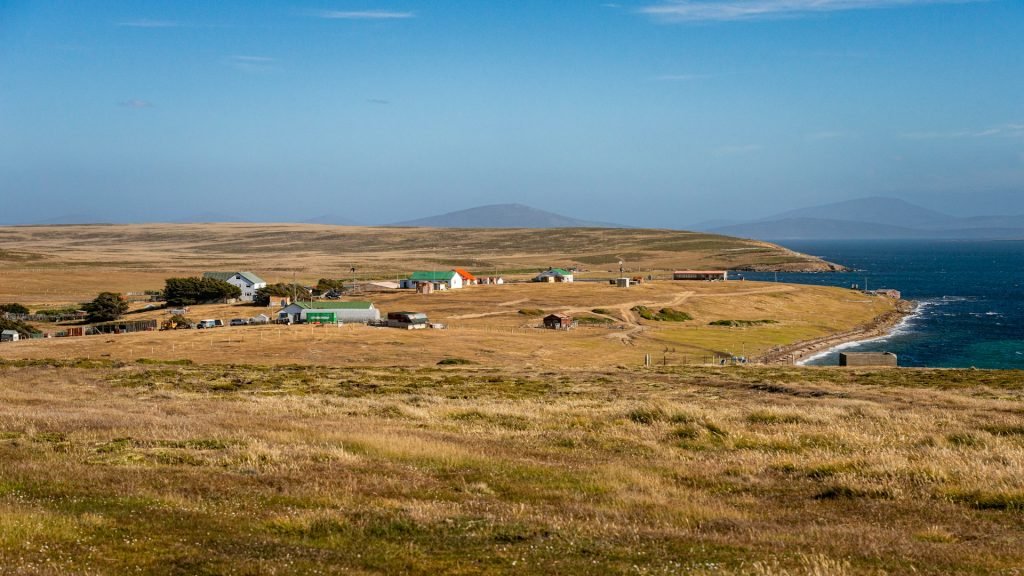
This extended Antarctica cruise itinerary includes the Falkland Islands before continuing to South Georgia and the Antarctic continent.
A typical stop is Stanley (often called Port Stanley), adding cultural contrast to the natural focus of Antarctica.
Why It’s the Most Comprehensive Option
- Multiple penguin species across remote islands
- Greater biodiversity diversity
- Balanced mix of cultural and wilderness exposure
- Reduced repetition compared to Peninsula-only voyages
Because this covers multiple ecosystems, many tour operators position it as the most complete Antarctic expedition.
However, it comes with:
- Higher additional cost
- 19–23 day duration
- More open-ocean sailing
For travelers visiting the White Continent only once, this is frequently considered the best option overall.
Fly-Cruise Antarctica (Drake Bypass Strategy)

How It Works
Fly-cruise options depart from Punta Arenas in southern South America. Guests fly directly to King George Island, bypassing the Drake Passage entirely, then board a polar expedition ship.
Several expedition operators offer fly-cruise models using purpose-built polar expedition vessels designed for remote landings and efficient Zodiac operations.
Advantages
- Avoids rough sea crossings
- Saves 3–4 sailing days
- Ideal for travelers with limited time
- Strong choice for those prone to seasickness
Trade-Offs
- Weather-dependent flights
- Luggage weight restrictions
- Higher per-day cost
For a shorter cruise or business travelers from the United States combining Buenos Aires with Antarctica, this can be the most efficient solution.
Rare & Remote: Ross Sea Expeditions
The Ross Sea is a completely different Antarctica expedition experience.
Departing from Christchurch in New Zealand, these voyages explore the Ross Sea sector, far from Peninsula traffic.
Highlights include:
- Adélie penguins in massive colonies
- Historic huts linked to Douglas Mawson
- Ice shelves connected to the South Pole region
Ross Sea itineraries are:
- 25+ days
- Extremely limited
- Operated by specialized polar expedition ship operators
This is the beaten track alternative — fewer cruise ships, deeper isolation, and true expedition heritage.
How Ship Size Impacts Route Experience
Choosing the best ship for your Antarctica cruises is directly linked to itinerary quality.
For a detailed comparison of expedition vessels by passenger capacity and onboard comfort, see Antarctica Cruise Ships Compared.
Smaller Ships & Smaller Vessels
Advantages:
- Faster Zodiac deployment
- More landing site access
- More intimate expedition team engagement
- True small ship cruise dynamic
Larger Vessels & Luxury Cruise Ship Models
Some operators offer larger vessels with:
- Hot tubs
- Expanded dining
- Elevated onboard comfort
While the ship experience improves in luxury cruise ship formats, landing rotations may take longer due to passenger numbers.
You can also explore operational differences in our Small Ship vs Large Ship Antarctica Cruises guide.
Expedition operators offer both small-ship expedition models and larger luxury expedition vessels. The optimal choice depends on landing efficiency, passenger numbers, and onboard comfort priorities.
Your style of travel — adventure-focused vs. comfort-forward — determines the best ship match.
Route Selection Strategy: What Matters Most?
When comparing Antarctica cruise routes, prioritize:
1. Wildlife Intensity
South Georgia delivers unmatched penguin rookery density and whale watching opportunities, including humpback whales and blue whales late in the season.
2. Time Available
Under 12 days favors Peninsula or fly-cruise options.
17+ days unlock deeper Antarctic expedition cruise experiences.
3. Sea Comfort
Drake Passage cruises require flexibility. Fly models offer calmer seas but add logistical complexity.
4. Budget
A standard Antarctic cruise can start significantly lower than Ross Sea or full Falklands itineraries.
Seasonal Strategy: Aligning Route With the Best Time to Go
Choosing the best Antarctica cruise routes is only half the equation. Selecting the best time within the short summer season determines wildlife activity, ice conditions, and overall accessibility.
Antarctica cruises operate during the austral summer months — roughly late October through March. Each phase of the season offers a distinct Antarctic experience.
Early Season (Late October–November)
The early season delivers:
- Untouched snow-covered landscapes
- Dramatic ice floes and pristine landing sites
- Penguin courtship rituals
- Fewer cruise ships overall
This period feels closest to the era of early explorers such as Ernest Shackleton and Douglas Mawson. The scenery is at its most photogenic, though whale watching is less active.
For photographers seeking a beautiful landscape and cleaner snow conditions, this is often the best option.
Peak Summer (December–January)
The height of the summer season offers:
- 20+ hours of daylight
- Active penguin rookery colonies
- Humpback whales feeding in greater numbers
- Increased Zodiac cruise operations
This period represents the classic Antarctica cruise window. It is also the busiest, meaning higher pricing and more competition for cabins — particularly on smaller ships.
End of the Season (February–March)
The end of the season shifts the focus toward marine wildlife:
- Blue whales and humpback whales feeding aggressively
- Elephant seals returning to shore
- Fur seals more visible along beaches
Snow melt reveals darker terrain, making some landing sites less visually pristine but increasing wildlife density. For many returning travelers, this period delivers the most dynamic whale watching opportunities.
Departure Gateways: South America vs. New Zealand

Your departure point influences route selection and total Antarctica trip logistics.
Ushuaia, Argentina
Ushuaia remains the primary embarkation hub for Antarctic cruises. Most standard Antarctic cruise itineraries depart from here, sailing through the Beagle Channel before entering the Drake Passage.
Advantages:
- Largest selection of cruise ships
- Frequent departures
- Competitive pricing
Puerto Williams, Chile
Puerto Williams has emerged as a smaller alternative embarkation port. Some operators use it to streamline logistics or reduce congestion.
Punta Arenas, Chile
Punta Arenas is the hub for fly-cruise options. Guests fly directly to Antarctica, avoiding Drake Passage crossings and often enjoying calmer seas.
Buenos Aires, Argentina
Many travelers from the United States and broader South America connect through Buenos Aires before continuing south.
Christchurch, New Zealand
Ross Sea expeditions depart from Christchurch in New Zealand. These longer adventures explore the eastern side of the Antarctic continent and rarely overlap with Peninsula routes.
Comparing Route Intensity: Standard vs. Extended Expeditions
Not all Antarctica expedition cruises are created equal. Understanding route intensity helps you match your style of travel.
Standard Antarctic Cruise
A standard Antarctic cruise typically includes:
- Drake Passage crossings
- 4–6 days exploring the Antarctic Peninsula
- Daily Zodiac cruise excursions
- One or two penguin rookery landings per day
This route offers the essential Antarctic experience and is ideal for first-time expedition cruising guests.
Antarctic Circle Extension
Crossing the Antarctic Circle adds symbolic achievement and deeper exploration of the polar regions. Ice conditions may limit progress, but when successful, it enhances the sense of remoteness.
South Georgia & Falklands Route
Including the Falkland Islands (with stops in Port Stanley) and South Georgia introduces:
- Greater wildlife density
- Cultural contrast
- Multiple ecosystems
- Higher expedition depth
It significantly increases sailing days but also elevates biodiversity exposure.
Ross Sea Expedition
Ross Sea voyages are rare opportunity expeditions. They include historic huts, vast Adélie penguin colonies, and proximity to routes historically linked to the South Pole. These voyages are typically operated by specialized polar expedition ship operators and attract seasoned expedition travelers.
Weather Conditions & Route Flexibility
Antarctica remains a remote region governed by nature. Even the most detailed Antarctica cruise itinerary can shift.
Factors influencing route adjustments:
- Ice floes blocking narrow channels
- Sudden wind changes
- Wildlife movement patterns
- Operational guidelines for landing sites
Experienced expedition teams adapt daily. Flexibility is essential to achieving a memorable moment in such a remote region.
Understanding what is included in your voyage helps manage expectations around itinerary adjustments — see What’s Included in an Antarctica Cruise?
Special Experiences That Vary by Route
Certain activities are more common on specific itineraries:
- Polar plunge: Offered on most Peninsula voyages
- Whale watching concentration: Strongest late season
- Historic exploration sites: South Georgia and Ross Sea
- Remote islands biodiversity: Falklands route
The opportunity to witness blue whales or massive elephant seals often depends on both route and timing.
Health, Safety & Physical Requirements
Antarctic cruises require reasonable mobility and good health due to:
- Wet Zodiac landings
- Uneven terrain
- Cold weather exposure
While not extreme adventure travel, expedition cruising demands moderate physical readiness. Some shorter cruise options may reduce physical strain by limiting landing frequency.
If you’re unsure about mobility requirements, review Do You Need to Be Fit for an Antarctica Cruise?
Final Recommendations: Matching Route to Traveler Profile
Choosing among the best Antarctica cruise routes ultimately depends on what you value most — wildlife density, expedition depth, voyage duration, sea comfort, or budget alignment.
The table below simplifies route selection based on common traveler priorities:
| Travel Priority | Recommended Route | Why It Works |
|---|---|---|
| First-Time Visitor | Classic Antarctic Peninsula | Balanced duration, strong wildlife density, lower entry cost |
| Wildlife-Focused | South Georgia + Peninsula | Exceptional king penguin colonies, elephant seals, whale concentration |
| Comprehensive Experience | Falklands + South Georgia + Antarctica | Multiple ecosystems, maximum biodiversity range |
| Time-Constrained | Fly-Cruise Antarctica | Shorter overall trip, avoids Drake Passage crossings |
| Expedition Veteran | Ross Sea Expedition | Rare route, historic huts, remote eastern Antarctica |
| Budget-Conscious | Standard Peninsula | Shorter duration, lower expedition cost tier |
| Symbolic Milestone | Antarctic Circle | Opportunity to cross 66°33′ South latitude |
While there is no single “best” Antarctica cruise route, aligning your expedition style with the right itinerary dramatically improves your overall experience.
Frequently Asked Questions
Conclusion: Choosing the Best Antarctica Cruise Route for Your Expedition
Selecting among the best Antarctica cruise routes ultimately comes down to alignment — aligning your time, budget, wildlife priorities, and style of travel with the right Antarctica cruise itinerary.
- A classic Antarctica cruise along the Antarctic Peninsula delivers the strongest balance of value and accessibility.
- Adding South Georgia significantly increases wildlife intensity, particularly penguin rookery density, elephant seals, and whale watching opportunities.
- Including the Falkland Islands expands biodiversity and cultural contrast.
- A Ross Sea expedition offers a rare opportunity to explore a more remote region of the Antarctic continent.
- Fly-cruise options provide a shorter cruise and calmer seas for travelers seeking efficiency.
There is no single “best” route — only the best route for your priorities.
Once you’ve chosen your ideal itinerary framework, compare specific voyage options in our Best Antarctica Cruises guide to match route with the right expedition ship.
The White Continent remains one of the last true polar regions where expedition cruising still feels authentic. Whether navigating ice floes aboard a small ship cruise, witnessing humpback whales in late summer, or stepping onto historic landing sites once visited by early explorers, your route determines the depth of your Antarctic experience.