Best Time for Northern Light Cruise (Norway 2026 Guide)
Planning the best time for a Northern Light cruise is one of the most important choices you’ll make when designing your Norway Arctic journey. Sea conditions, daylight hours, weather patterns, and aurora visibility all vary dramatically throughout the season — and choosing the right window boosts your chances of seeing this iconic natural spectacle.
Pro tip: For a complete overview of routes, seasons, pricing, and cruise styles before selecting your travel dates, begin with our Norway Arctic Cruises: Complete Planning Guide (2026).
Why Timing Matters for Northern Lights Cruises
The Northern Lights — or Aurora Borealis — depend on both solar activity and long, dark nights. On a cruise, timing affects:
- Aurora visibility probability
- Weather and cloud coverage
- Daylight for land excursions
- Cruise pricing and cabin availability
Cruise ships sailing within the Arctic Circle between late autumn and early spring offer the best platforms for aurora viewing, combining mobility with expansive sea views and on-deck visibility.
Before finalizing dates, explore our full Northern Light Cruise: Complete Guide to Seeing the Aurora at Sea, which explains ship styles and route differences in detail.
Prime Season: When to Go

Late September to Early April — Aurora Window
Most aurora experts agree the season for Northern Lights in Norway spans late September through early April. Within this range, certain months consistently deliver better odds due to extended darkness and clearer skies.
| Month | Darkness | Visibility Odds | Daylight | Insights |
|---|---|---|---|---|
| September | Increasing | Moderate | Moderate | Early season, less darkness |
| October – November | Strong | High | Short | Lower crowds & good value |
| December – February | Peak | Very High | Very Short | Deep winter aurora season |
| March – Early April | Moderate | High | Increasing | Best balance of light & aurora |
Month-by-Month Breakdown

September – Early Glow
September marks the beginning of aurora season as nights grow longer. It’s not the deepest winter period, but it introduces the potential for aurora views with milder temperatures and fewer crowds — ideal for flexible travelers.
October–November – Value & Visibility
October and November combine darkening nights, increasing aurora activity, and comparatively moderate prices. These months are highly recommended for travelers seeking good Northern Lights chances before peak winter demand.
December–February – Peak Aurora Season
This is the classic window for many Northern Lights sailings, especially from January through February. The polar night — when daylight is minimal or nonexistent above the Arctic Circle — drastically increases darkness hours.
For many Arctic sailings including those on the Norwegian coastline, this period consistently offers the best visibility odds — assuming skies are clear.
March–Early April – Best Overall Balance
March often delivers an ideal combination of extended darkness and increasing daylight hours. Longer days mean more time for on-shore activity and photography, while still retaining strong aurora potential.
This timing aligns well with aurora science noting increased geomagnetic activity around equinox periods, which can further boost Northern Lights appearances.
Best Time of Day to See the Lights
Aurora visibility isn’t just about when you travel — it’s also about when you watch. Most aurora displays occur during late night hours (roughly 22:00–02:00) when skies are darkest and atmospheric conditions are right.
Cruise ships often alert guests when aurora activity begins, and positioning at sea away from city light pollution can significantly improve visibility.
Cruise Timing vs Itinerary Type
Different cruise styles influence your experience of timing and visibility:
- Coastal Voyages: Classic routes like Bergen–Kirkenes cross the Arctic Circle and offer recurring night hours at sea for aurora observation.
- Expedition Cruises: Immersive journeys focus on maximizing time in high-latitude zones when aurora activity peaks.
If you’re comparing style differences and operator philosophies, these factors also influence when in the season you might prefer to sail. To explore operator differences in more detail, read Hurtigruten vs HX Norway Voyages: What’s the Difference?
How This Fits Into Your Cruise Plan
Timing interacts closely with:
- Itinerary choice — route determines how often you’re above the Arctic Circle.
- Cruise line selection — some offer more dedicated aurora programs.
- Weather tolerance — deeper winter dates require stronger cold-weather preparation.
After selecting your ideal travel window, compare curated sailings in Best Northern Lights Cruise 2026: 7 Top Itineraries Compared.
Summary: Best Time for Northern Lights Cruises (2026–2028)
Across the 2026, 2027, and 2028 Arctic seasons, the optimal timing pattern remains consistent — but booking strategy becomes increasingly important as demand rises.
- Best overall months: December through March
- Strongest balance of visibility and comfort: February & March
- Best value with lighter crowds: October & November
- Early-season option with milder conditions: Late September
Aurora sightings are never guaranteed — they depend on solar activity and cloud cover — but sailing within the core winter window significantly improves your chances.
For a broader overview of routes, sailing regions, pricing tiers, and itinerary types before locking in dates, review our complete Norway Arctic cruise planning guide.
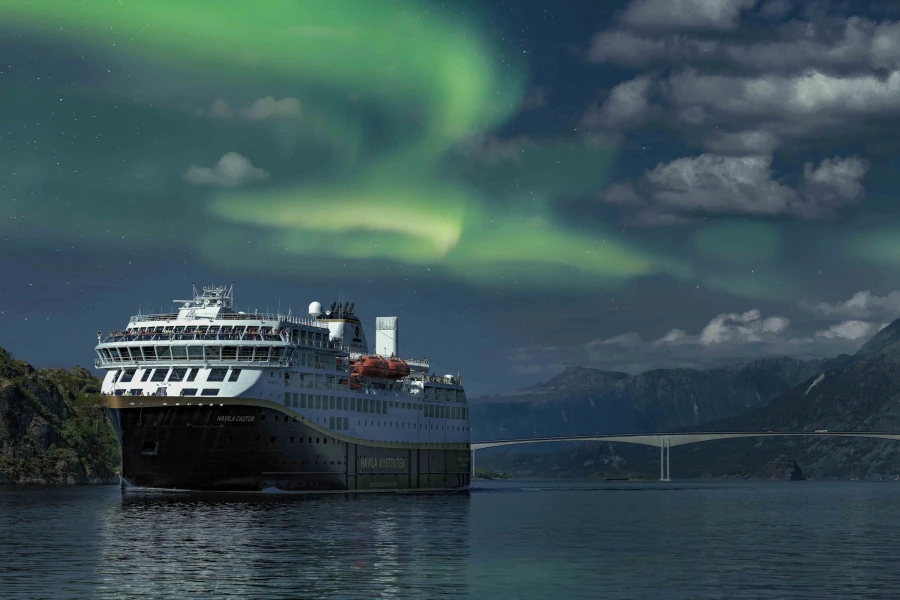
Northern Lights Cruise Outlook: 2027 & 2028
Looking beyond 2026, Arctic winter deployments continue expanding, particularly for aurora-focused voyages above the Arctic Circle.
2026–2027 Winter Season (October 2026 – March 2027)
Bookings are already open for most winter 2027 sailings. Expedition-oriented operators typically release schedules 14–18 months in advance.
Current trends show:
- February and March departures filling first
- Strong demand for smaller ships and longer itineraries
- Early-release pricing during launch phases
- Reduced solo cabin availability
Travelers targeting peak aurora visibility should secure preferred departures by mid-to-late 2026.
2027–2028 Arctic Season (October 2027 – March 2028)
Cruise lines are progressively publishing 2028 winter schedules, with premium sailings expected to sell out 12–16 months ahead of departure.
Market patterns indicate:
- Continued growth in expedition-style Northern Lights cruises
- Gradual price increases during peak months
- Expanded 10–14 night Arctic Circle itineraries
- Greater focus on sustainable and immersive programming
Monitoring release calendars and booking during deployment announcements offers the strongest pricing and cabin selection advantage.
Booking Strategy for Future Seasons
Securing a Northern Lights cruise 12–18 months in advance provides:
- Priority access to balcony cabins and suites
- Lower introductory fares
- Flexible deposit structures
- Promotional inclusions during launch windows
For February and March departures — consistently the highest-demand months — early commitment often determines availability.
Careful alignment of timing, itinerary length, and cruise line style ensures the strongest probability of experiencing the Northern Lights at sea during the 2026–2028 seasons.