Antarctica Cruise vs Fly Cruise: Should You Sail or Skip the Drake Passage?

Before choosing a ship, cabin, or departure month, you must decide how you want to reach Antarctica.
Will you sail across the Drake Passage as part of a traditional expedition cruise — or fly over it and join your vessel near the Antarctic Peninsula?
Both structures deliver the same regulated landings, wildlife encounters, and expedition programming. The real difference lies in cost, sea exposure, time efficiency, and operational flexibility.
This guide explains how traditional Antarctica cruises compare to fly-and-cruise itineraries — and which structure makes more sense for 2026–2028 departures.
For complete planning context, see our Antarctica Cruises Planning Guide (2026–2028 Complete Expert Handbook).
What Is a Traditional Antarctica Cruise?
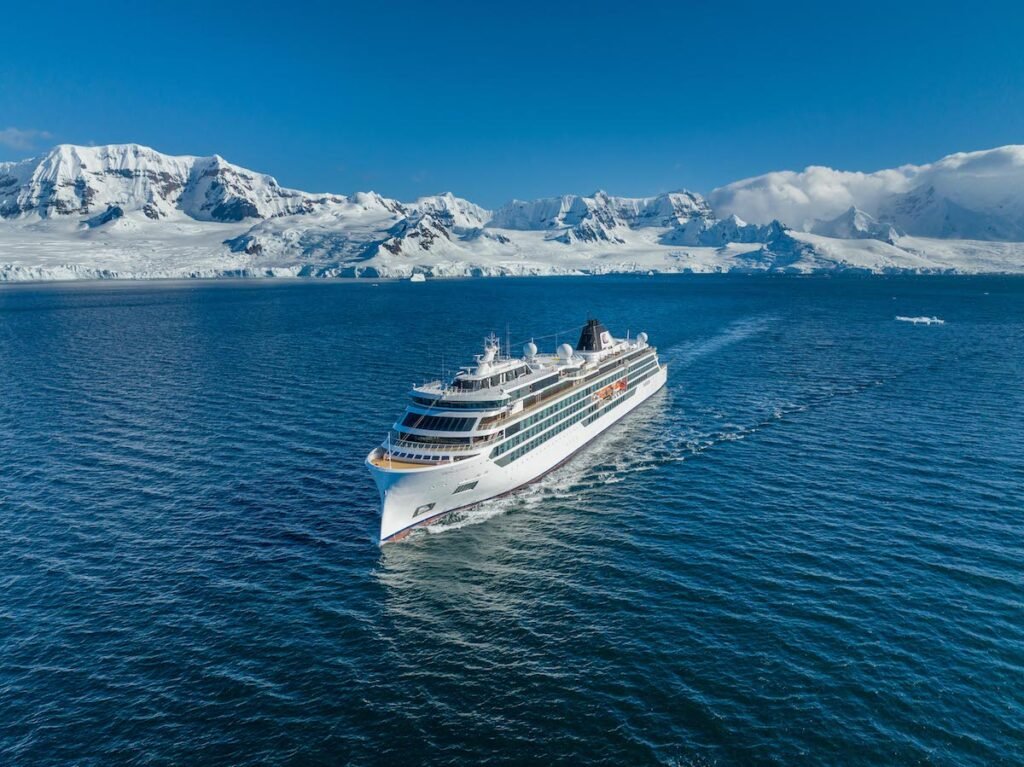
A traditional Antarctica cruise is the classic expedition format used for decades to reach the Antarctic Peninsula. These voyages sail roundtrip from Ushuaia, Argentina, crossing the Drake Passage by purpose-built expedition ship before entering Antarctic waters.
This structure is the foundation of most 10–11 day Peninsula itineraries and remains the most widely available and cost-efficient way to visit the continent. Because it does not rely on charter aviation logistics, it typically offers broader departure dates, more cabin categories, and stronger pricing flexibility.
This structure typically includes:
- 2 days sailing south across the Drake Passage
- 4–6 days exploring the Antarctic Peninsula
- 2 days sailing north
Most 10–11 day Antarctic Peninsula itineraries follow this traditional sailing format because it balances expedition depth with operational efficiency. It allows enough time for multiple landing attempts while maintaining predictable roundtrip logistics from Ushuaia.

Leading operators offering classic sailings include:
- HX Expeditions
- Quark Expeditions
- Silversea Cruises
- Ponant
These companies operate purpose-built expedition vessels designed for polar navigation, ice conditions, and regulated landing procedures under IAATO guidelines.
From a commercial standpoint, traditional sailings are the most widely available and cost-efficient way to reach Antarctica. They offer:
- Greater cabin inventory across price tiers
- More departure dates throughout the season
- Stronger pricing competition between operators
- Fewer aviation-related schedule variables
Because this format dominates the market, it also provides the broadest range of ship styles — from compact 100-passenger expedition vessels to larger hybrid-luxury ships.
If you are comparing vessel size, onboard comfort, and expedition positioning, review Antarctica Cruise Ships Compared before narrowing your structure decision.
What Is an Antarctica Fly Cruise?
An Antarctica fly cruise — often called a fly-and-cruise or air-cruise program — replaces the Drake Passage sea crossing with a charter flight from southern Chile. Instead of sailing for two days across open ocean, passengers fly directly to the South Shetland Islands and join their expedition vessel near Antarctica.
This model was developed to reduce overall travel time and minimize exposure to potentially rough seas. It is positioned as a premium, convenience-driven alternative to traditional roundtrip sailings from Ushuaia.
A typical fly-cruise structure includes:
- Fly from Punta Arenas, Chile
- Land at King George Island
- Transfer to your expedition ship
- Cruise the Antarctic Peninsula region
- Fly back at the end of the voyage
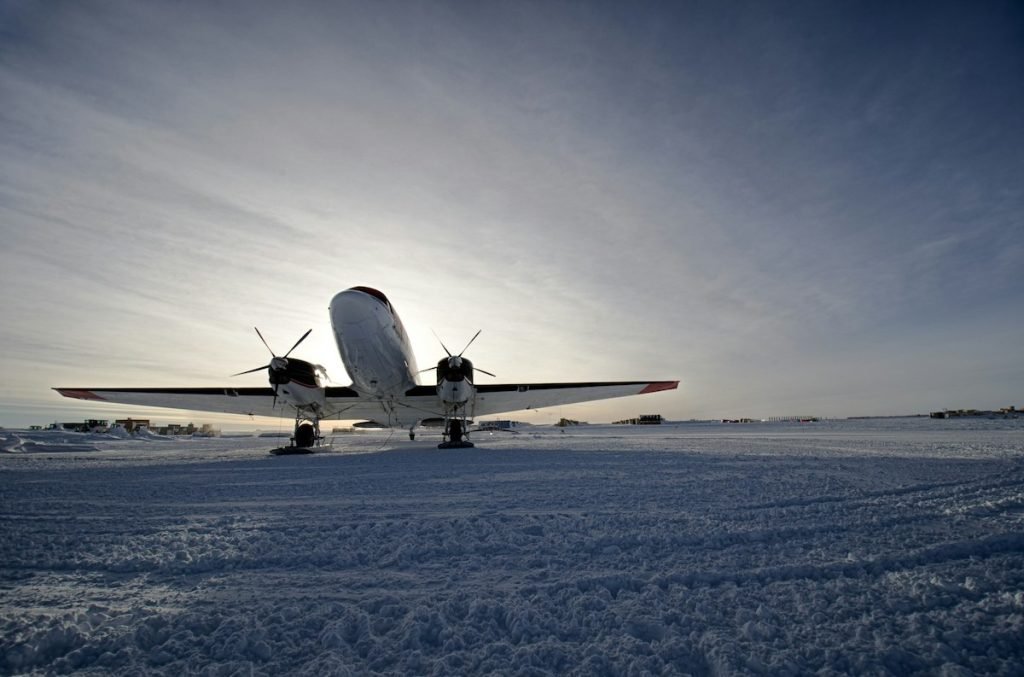
Operators offering fly-cruise programs include:
From a commercial perspective, fly cruises:
- Operate with limited aircraft seat capacity
- Have fewer annual departures
- Carry higher per-person pricing due to aviation logistics
- Often sell out earlier than traditional sailings
While you avoid four total sea days, flights to and from King George Island are weather dependent. Delays of one to two days are possible if visibility or runway conditions prevent safe operations. For this reason, many operators include contingency nights in Punta Arenas within the program structure.
Importantly, once aboard the expedition vessel, the Antarctic experience itself — zodiac landings, wildlife encounters, and guided exploration — is the same as on a traditional sailing. The difference lies in transport logistics, schedule flexibility, and price positioning rather than access to the continent.
Structural Differences at a Glance
While both options ultimately deliver the same Antarctic landings, the journey to reach the continent differs in meaningful ways. The choice between a traditional Antarctica cruise and a fly cruise affects pricing, overall trip length, exposure to open ocean, and scheduling flexibility.
Importantly, this is a logistics decision — not an experience upgrade. Once in Antarctic waters, both structures operate under identical environmental regulations and expedition standards.
The table below outlines the core structural differences.
| Factor | Traditional Antarctica Cruise | Antarctica Fly Cruise |
|---|---|---|
| Drake Passage | Cross by expedition ship | Skipped via charter flight |
| Total Duration | 10–14 days | 8–10 days |
| Typical Starting Price | Lower | Higher |
| Sea Exposure | Full crossing | Minimal open-ocean |
| Flight Delay Risk | None | Possible |
| Departure Availability | Wider | Limited aircraft seats |
The wildlife experience ashore is the same. IAATO landing regulations apply equally across structures, meaning landing frequency and wildlife proximity are not influenced by how you arrive.
Cost Comparison (2026–2028 Outlook)
Cost is one of the most decisive differences between a traditional Antarctica cruise and a fly-and-cruise program. While both deliver the same Antarctic landings, the transport model significantly affects pricing structure.
Charter aviation introduces higher operational costs, limited seat inventory, and tighter departure schedules — all of which influence the final fare.
Traditional Sailings
Typical 10–11 day Antarctic Peninsula cruise:
- $9,000–$14,000 (standard twin cabins)
- Lower cabin categories occasionally available under $10,000 (cruise-only pricing)
Traditional roundtrip sailings from Ushuaia benefit from broader cabin inventory and stronger operator competition, which keeps entry-level pricing more flexible.
Fly Cruises
Comparable Peninsula itinerary:
- $13,000–$20,000+
- Premium pricing driven by charter aircraft logistics and limited flight capacity
The price difference typically ranges from $2,000–$6,000 per person for similar cabin categories and itinerary length.

Importantly, the Antarctic experience ashore does not change. The cost premium reflects transport convenience rather than enhanced wildlife access or additional landing time.
For a detailed breakdown of pricing variables — including ship class, cabin category, and seasonal timing — review our Antarctica Cruise Cost Guide (2026–2028 Complete Pricing Guide).
If affordability is a priority, traditional sailings consistently deliver the strongest value-to-experience ratio.
Sea Conditions: How Important Is the Drake Passage?
For many travelers, the Drake Passage becomes the emotional center of the Antarctica cruise vs fly cruise decision. Its reputation for rough seas often shapes perception long before itinerary details or pricing are evaluated.
In reality, conditions vary significantly. Some crossings are calm — often referred to as “Drake Lake” — while others are rougher, known informally as the “Drake Shake.” Sea state depends on wind systems and weather patterns at the time of sailing, not on a fixed seasonal rule.
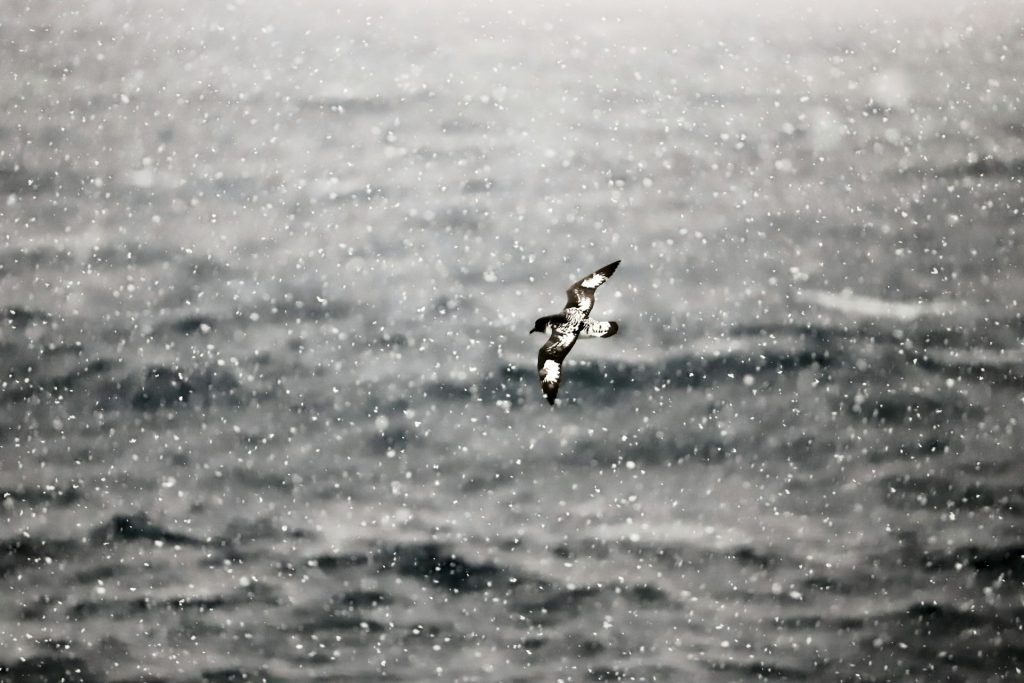
Modern expedition ships operating in Antarctica are purpose-built for these waters. They are equipped with stabilizers, reinforced hulls, and experienced polar crews trained specifically for open-ocean crossings. For most travelers, motion is temporary and manageable rather than trip-defining.
It’s also important to recognize that sea days serve a purpose. During the Drake crossing, expedition teams conduct safety briefings, wildlife lectures, photography sessions, and open-deck wildlife spotting — activities that many travelers consider part of the expedition immersion.
If sea conditions are the primary factor influencing your structure choice, a detailed breakdown of real crossing expectations can be found in our guide, How Rough Is the Drake Passage? What to Expect on an Antarctica Cruise.
Ultimately, the Drake Passage is a variability factor — not a guaranteed hardship — and its influence should be weighed against cost, schedule, and overall expedition goals.
Is Flying Safer Than Sailing?
Safety is often cited as a reason to choose a fly-and-cruise itinerary — but in practice, there is no meaningful structural safety advantage between flying and sailing.
Both models operate under strict international regulations. Expedition vessels comply with maritime safety standards, polar code requirements, and IAATO environmental rules. Charter flights to King George Island operate under controlled aviation protocols with experienced polar flight crews and weather monitoring procedures.
The Drake Passage has a reputation for rough seas, but it is not considered inherently dangerous. Modern expedition ships are purpose-built for Southern Ocean conditions, equipped with stabilizers, reinforced hulls, and highly trained bridge teams experienced in Antarctic navigation.
It’s important to distinguish between perceived risk and actual operational risk. The primary difference between flying and sailing is exposure duration and comfort — not safety level. Flying reduces time spent in open ocean conditions, but it introduces aviation dependency and weather-related delay variables.
For a detailed risk comparison between both structures, see our guide Is Fly the Drake Safer? Risk Comparison Guide.
In short, this decision should be framed around comfort, schedule flexibility, and cost — not safety.
Time Efficiency: What Do You Actually Gain?
Time savings are often the primary reason travelers consider an Antarctica fly cruise. By replacing the Drake Passage crossing with a charter flight, fly-and-cruise programs remove approximately four sea days from the itinerary.
However, the key question is not simply “How many days are saved?” — but whether those days meaningfully increase time spent exploring Antarctica.
In most cases, fly cruises shorten the overall trip length rather than dramatically increasing landing days. While you eliminate open-ocean sailing time, the number of permitted shore landings remains governed by weather, sea ice, and IAATO operational limits.
A typical comparison looks like this:
| Traditional Sail | Fly Cruise | |
|---|---|---|
| Sea Days | 4 | 0 |
| Landing Days | 4–6 | 5–6 |
| Total Trip | 10–14 days | 8–10 days |
In practical terms, you may gain one additional landing day depending on conditions. The overall Antarctic exploration experience — wildlife encounters, zodiac excursions, guided hikes, and onboard lectures — remains largely comparable.
It’s also worth noting that sea days are not idle time. During the Drake crossing, expedition teams conduct safety briefings, educational programming, wildlife observation sessions, and photography workshops. For many travelers, these days contribute to the immersive expedition narrative rather than detract from it.
If your vacation window is limited and total trip duration is the decisive factor, a fly cruise can provide efficiency. If you are comfortable with a longer journey and value the full expedition pacing, traditional sailings remain structurally balanced.
Cabin & Ship Considerations
Your choice between a traditional Antarctica cruise and a fly cruise does not exist in isolation. It intersects directly with ship size, cabin inventory, onboard comfort level, and overall pricing flexibility.
Traditional sailings typically operate across a wider range of vessels — from compact 100-passenger expedition ships to larger hybrid-luxury builds. This broader fleet diversity usually means more cabin categories, greater pricing tiers, and stronger availability across interior, porthole, balcony, and suite options.

Fly cruises, by contrast, often operate on a smaller number of vessels tied to fixed aviation logistics. Aircraft seat limits naturally constrain total ship capacity, which can result in:
- Fewer cabin categories
- Reduced entry-level inventory
- Less pricing flexibility
- Earlier sell-outs in popular categories
Balcony availability and suite inventory vary significantly by operator. However, it is important to recognize that cabin upgrades affect onboard comfort — not landing frequency. Antarctic shore access is regulated, and all passengers rotate through landing groups regardless of cabin type.
If cabin configuration and onboard layout are influencing your structure decision, review our Antarctica Cruise Cabins Guide before narrowing down your preferred itinerary.
Ultimately, structure determines how you reach Antarctica. Ship and cabin choice determine how you experience life onboard once you are there.
Weather & Operational Reliability
Antarctica is one of the most weather-dependent destinations in the world. Regardless of structure, itineraries are shaped by sea state, wind conditions, visibility, and ice movement. However, the way you reach the continent introduces different operational variables.
Traditional sailings operate entirely by expedition ship. While sea conditions may influence landing order or daily routing, departures from Ushuaia are rarely cancelled. Ships are designed to function in variable Southern Ocean conditions and can adjust speed or route as needed.
Traditional sailings generally:
- Rarely cancel outright
- Operate in most sea states
- Offer predictable embarkation and disembarkation timelines
Fly cruises introduce an additional aviation layer. Flights to and from King George Island require sufficient runway visibility and safe landing conditions. If weather prevents aircraft operations, departures may be delayed until conditions improve.
Fly cruises therefore:
- Require clear runway visibility
- May experience 1–2 day delays
- Often include contingency nights in Punta Arenas
This does not mean fly cruises are unreliable — but they do carry a different type of weather dependency. Sea-based operations allow more routing flexibility than fixed aviation schedules.
If schedule certainty is critical — for example, tight international flight connections or limited post-cruise buffer days — traditional sailings offer slightly stronger operational stability.
Who Should Choose a Traditional Antarctica Cruise?
A traditional Antarctica cruise remains the default structure for most travelers — not because it is the only option, but because it balances cost, availability, and expedition depth more effectively than fly-and-cruise alternatives.
Roundtrip sailings from Ushuaia dominate the market. They offer broader departure frequency, more cabin categories, and greater pricing flexibility across operators and ship classes. For travelers comparing multiple vessels or booking within a tighter planning window, this wider inventory can be a decisive advantage.
Traditional sailings are generally best suited for travelers who:
- Want the classic expedition narrative, including the full Drake Passage crossing
- Prioritize overall value and price-to-experience balance
- Have reasonable tolerance for open-ocean conditions
- Prefer maximum departure choice throughout the season
- Value operational predictability without aviation variables
Because these sailings are more numerous, they typically provide stronger availability windows. If you are booking within 9–12 months of departure, traditional cruises are more likely to offer cabin selection flexibility across multiple ships.
For booking timing strategy and sell-out patterns, review Do Antarctica Cruises Sell Out? When to Book for 2026–2028 before finalizing your structure decision.
Who Should Choose an Antarctica Fly Cruise?
An Antarctica fly cruise is best understood as a convenience-driven, premium alternative to traditional sailings. It is not an upgrade in expedition access — but rather a logistical adjustment designed to reduce overall travel time and minimize exposure to open-ocean crossings.
Because fly-and-cruise programs rely on charter aircraft and limited seat capacity, they operate within tighter departure windows and narrower cabin inventory. The higher price reflects aviation logistics and operational complexity rather than enhanced wildlife encounters or additional landing privileges.
Fly-and-cruise itineraries are generally best suited for travelers who:
- Have limited vacation time and prefer a shorter overall itinerary
- Are highly sensitive to motion and strongly prefer avoiding the Drake Passage
- Value convenience and time efficiency over cost savings
- Are comfortable with potential weather-related flight delays
This structure can be particularly appealing to travelers combining Antarctica with other South American destinations, where itinerary compression matters.
However, it is important to recognize the trade-off. While you reduce sea exposure, you introduce aviation dependency and reduced schedule flexibility. The Antarctic experience once onboard — landings, zodiac excursions, wildlife encounters, and expedition programming — remains fundamentally the same as on traditional sailings.
For travelers prioritizing time efficiency over price-to-experience balance, a fly cruise can be the right structural fit
Booking Strategy for 2026–2028
Choosing between a traditional Antarctica cruise and a fly-and-cruise program is only part of the decision. Booking timing, seasonal positioning, and policy structure will influence both availability and total trip cost.
If you are evaluating departures for 2026–2028, consider the following strategic factors:
- Budget alignment – Traditional sailings remain more affordable due to broader cabin inventory and the absence of charter aviation costs.
- Seasonal timing – Shoulder months such as late November and late February often offer lower base fares while still delivering strong wildlife activity.
- Availability windows – Fly cruises typically sell out earlier because aircraft capacity limits total departure inventory.
- Insurance requirements – Comprehensive travel insurance is mandatory for Antarctica, and coverage limits may differ between operators.
- Cancellation structure – Deposit schedules and cancellation penalties vary by company and departure timing.
If insurance and refund terms are part of your evaluation, review Antarctica Cruise Cancellation Policy Explained before committing to a deposit.
Ultimately, the strongest booking decisions balance structure, season, availability, and policy — not just headline price.
Frequently Asked Questions
Summary: Antarctica Cruise vs Fly Cruise
At a structural level, the difference between a traditional Antarctica cruise and a fly-and-cruise itinerary is logistical — not experiential. Once in Antarctic waters, both formats deliver the same regulated landings, wildlife encounters, and expedition programming.

The key trade-offs are best viewed through priority alignment:
| Priority | Recommended Structure |
|---|---|
| Lowest Cost | Traditional Cruise |
| Shortest Total Trip | Fly Cruise |
| Avoid Drake Crossing | Fly Cruise |
| Maximum Schedule Stability | Traditional Cruise |
| Strongest Overall Value | Traditional Cruise |
If cost efficiency and schedule flexibility matter most, traditional sailings provide the strongest balance. If minimizing sea exposure and compressing total travel time are decisive factors, a fly cruise may justify its premium.
Ultimately, the right choice depends on budget tolerance, available time, motion sensitivity, and planning flexibility.
For complete expedition planning — including routes, ships, seasonal timing, and pricing strategy — return to the Antarctica Cruises Planning Guide (2026–2028 Complete Expert Handbook).