Small Ship vs Large Ship Antarctica Cruises: Which Expedition Ship Size Is Best?

Choosing the right ship is one of the most important decisions you’ll make when planning a small ship Antarctica cruise or larger expedition voyage. While most travelers focus on itinerary, price, or cruise line, the size of the ship can significantly shape your experience on the White Continent.
Antarctica expedition cruises are very different from traditional cruise vacations. These voyages take you deep into the Southern Ocean and the remote polar regions surrounding the Antarctic continent.
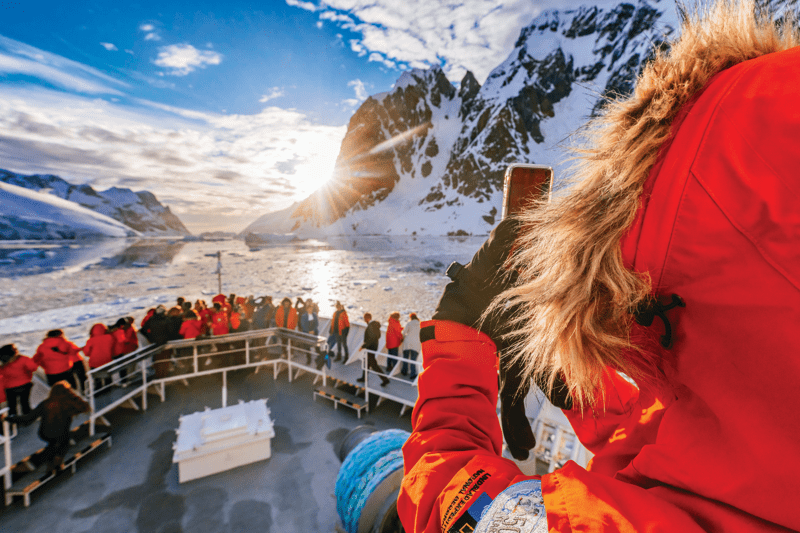
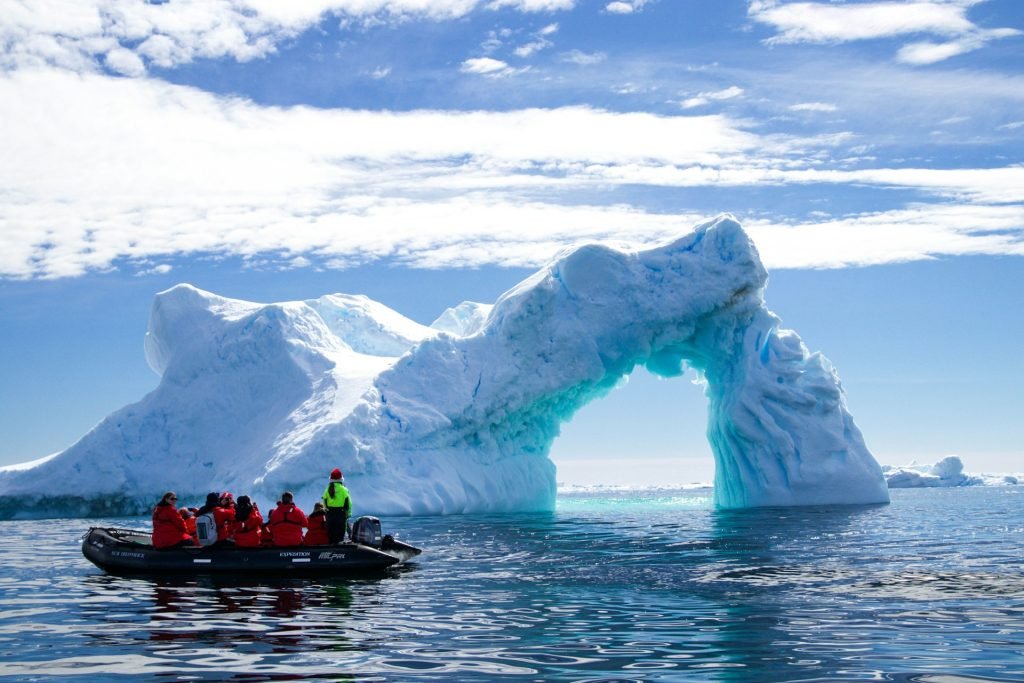
Instead of visiting developed ports, expedition ships anchor offshore and bring passengers ashore using small inflatable boats called Zodiac boats, which are also used for guided Zodiac cruises along icebergs and coastal wildlife areas.
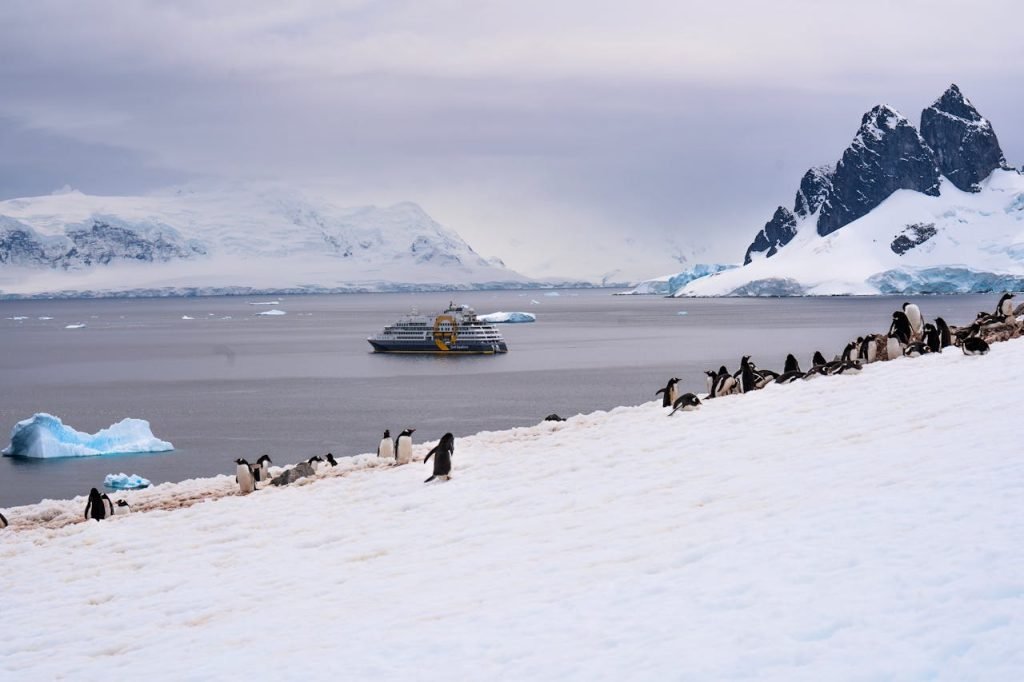
From there, you’ll step onto remote beaches, walk across snowy landscapes, and observe wildlife colonies up close, including chinstrap penguins, Adélie penguins, elephant seals, and fur seals in their natural habitat.
Because these landings are tightly regulated and logistically complex, ship size directly affects how much time you spend exploring Antarctica versus waiting onboard.
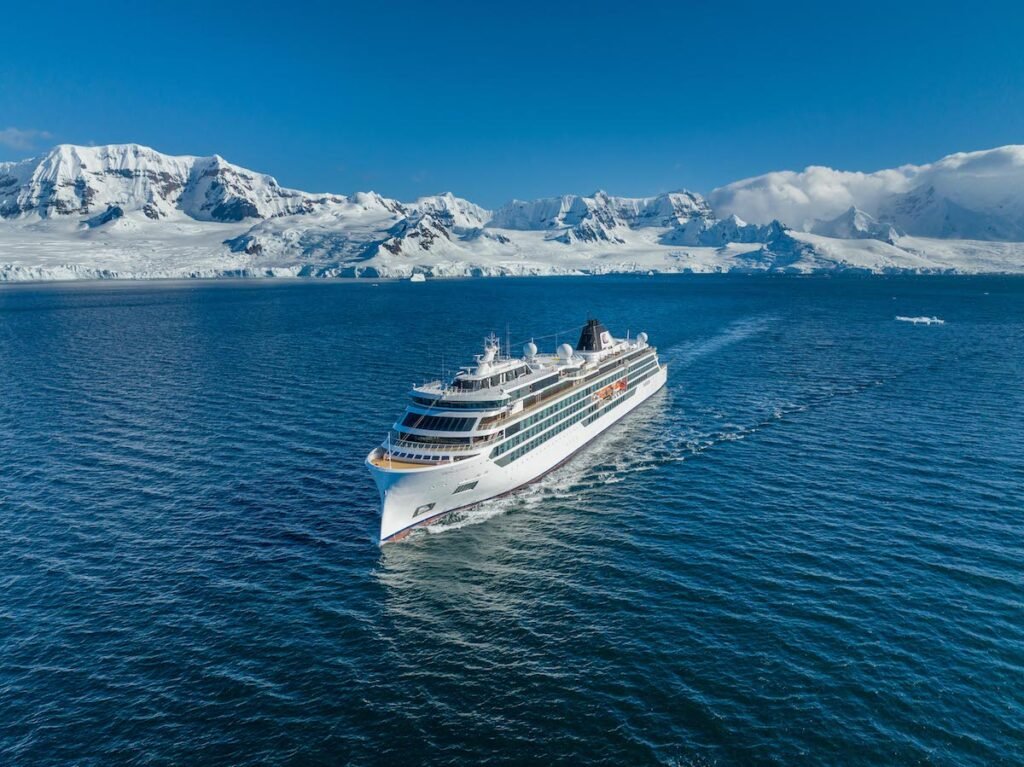
Today’s expedition fleet ranges from intimate polar vessels carrying fewer than 100 guests to larger expedition ships carrying 400–500 people. Smaller ships tend to emphasize expedition immersion and faster landings, while larger ships often offer more onboard amenities and greater stability at sea.
Understanding how these different ship sizes operate can help you choose the expedition style that best fits your travel goals.
If you’re still in the early planning stage, start with our Antarctica Cruises Planning Guide, which explains itineraries, ship types, and how expedition voyages work.
What Is Considered a Small Ship in Antarctica?
In Antarctica, ship size is defined less by luxury standards and more by international environmental regulations.
All expedition cruise operations in the region follow guidelines established by the International Association of Antarctica Tour Operators (IAATO). These rules are designed to protect the fragile polar environment and control the number of visitors landing at wildlife sites.
One of the most important rules states that no more than 100 passengers may be ashore at a landing site at any given time.
Because of this regulation, expedition ships generally fall into three categories:
Small expedition ships (fewer than 200 passengers)
These vessels often carry between 70 and 200 guests. Because fewer passengers need to rotate through Zodiac landings, they can move guests ashore more quickly and sometimes visit additional landing sites during the day.
Mid-size expedition ships (200–300 passengers)
These ships still comply with IAATO rules but must rotate passengers in multiple landing groups. While the overall experience remains expedition-focused, guests may spend slightly more time waiting onboard during landing rotations.
Large expedition ships (300–500 passengers)
The largest expedition vessels offer more amenities and larger cabins, but they must divide passengers into several landing groups. This can mean shorter landing times or longer rotations depending on conditions.
Unlike mainstream cruise ships carrying thousands of passengers, however, all Antarctic expedition ships remain relatively small compared to typical cruise vessels. Also, most Antarctic ships are built with ice-strengthened hulls designed specifically for navigating polar waters and sea ice.
Why Ship Size Matters in Antarctica
When you’re cruising in Antarctica, the experience revolves around daily exploration rather than onboard entertainment. Because most activities involve Zodiac landings and guided excursions, the size of the ship directly affects the pace and flexibility of the expedition.

Landing Limits
IAATO regulations restrict the number of visitors who can land at a site at one time. Ships carrying fewer than 200 passengers can typically land everyone within a small number of Zodiac rotations. These regulations operate alongside the broader environmental protections established under the Antarctic Treaty system.
On larger expedition ships, passengers are divided into several landing groups. While everyone still gets ashore, the process takes longer and may reduce the time each group spends exploring the site.
For many travelers, this difference becomes one of the most noticeable aspects of the expedition experience.
Expedition Logistics
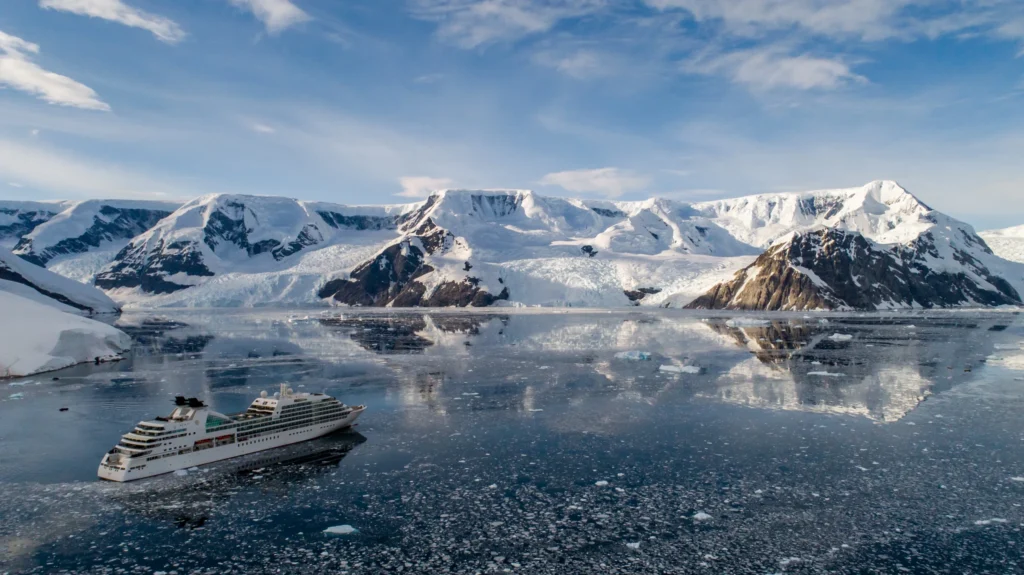
Smaller ships also have greater flexibility navigating Antarctica’s icy waters. They can sometimes access narrow channels or remote bays that larger ships avoid due to size restrictions.
This flexibility can allow expedition leaders to adapt the itinerary more easily in response to changing weather conditions and environmental factors such as:
- sea ice conditions
- wildlife sightings
- weather changes
- landing site availability
These conditions also change throughout the Antarctic season. Our guide to the best time to visit Antarctica explains how wildlife activity, sea ice, and daylight hours affect expedition itineraries.
Guest Rotations
Another operational difference involves landing group rotations.
On smaller ships, the entire passenger group can often rotate ashore quickly, allowing everyone to spend more time exploring the same site.
Larger ships divide passengers into multiple landing groups that rotate between:
- shore landings
- Zodiac cruising
- onboard lectures or observation
This system still provides a full expedition experience, but the rhythm of the day can feel different compared with smaller expedition vessels.
Small Ship Antarctica Cruises
Small expedition ships represent the traditional model of Antarctic exploration. These vessels prioritize access, flexibility, and immersion. These vessels usually operate with smaller groups and higher expedition team-to-guest ratios, which can create a more personal Antarctic experience.
If you want the most expedition-focused experience possible, small ships often provide the closest connection to Antarctica’s landscapes and wildlife.
Advantages of Small Expedition Ships
Faster landings
With fewer passengers onboard, Zodiac operations typically move quickly. Expedition teams can often land everyone within a short period, maximizing the time you spend ashore.
This is especially valuable at popular wildlife sites where you may want extra time observing penguin colonies or seals.
More intimate expedition atmosphere
Smaller ships tend to create a close-knit onboard environment. You’ll interact frequently with the onboard expedition team, including naturalists, historians, and marine biologists.
This smaller group dynamic often leads to a more personal expedition experience.
Stronger exploration focus
Small expedition ships typically emphasize exploration over onboard luxury. While they still offer comfortable cabins and good dining, the core focus remains on:
- wildlife encounters
- daily landings
- educational lectures
- scientific interpretation
You may prefer smaller ships for this expedition-first approach.
Examples of Small Ship Operators
Several expedition companies specialize in smaller Antarctic vessels.
Many of these operators also appear in our list of the best Antarctica cruises, where we compare expedition cruise lines and ships.
Oceanwide Expeditions
Oceanwide operates a fleet of purpose-built expedition ships known for their strong focus on exploration. Ships such as Plancius and Hondius are designed for polar navigation and frequently operate wildlife-focused itineraries.
Aurora Expeditions
Aurora operates modern expedition ships like Greg Mortimer and Sylvia Earle. These vessels combine relatively small passenger numbers with advanced hull designs that improve stability in rough seas.
Aurora cruises are especially appealing if you’re interested in active expedition activities such as kayaking or photography.
Antarctica21
Antarctica21 operates smaller expedition ships that are commonly used for fly-cruise itineraries departing from Punta Arenas, Chile. These voyages fly passengers directly to King George Island, allowing them to bypass the Drake Passage crossing.
Because these ships carry fewer guests, they maintain a strong expedition atmosphere despite the shorter itinerary structure.
Large Expedition Ships in Antarctica
While smaller ships dominate traditional expedition cruising, larger expedition vessels have become increasingly common in Antarctica. These ships typically carry between 200 and 500 passengers and offer a broader range of onboard amenities.
Large expedition ships still operate under IAATO regulations and follow the same landing guidelines as smaller vessels. However, they often deliver a slightly different balance between exploration and onboard comfort.
Advantages of Larger Expedition Ships
Greater stability in rough seas
One of the most significant benefits of larger ships is increased stability during ocean crossings. This is particularly relevant when crossing the legendary Drake Passage, which can experience rough seas between South America and the Antarctic Peninsula.
Larger ships often incorporate advanced stabilizers that help reduce motion during these crossings.
More onboard amenities
Larger expedition vessels frequently include facilities such as:
- multiple restaurants
- larger observation lounges
- wellness areas or spas
- indoor pools or fitness centers
While these amenities do not change the expedition landings themselves, they can enhance the overall comfort of the voyage.
Larger cabins and suites
Many larger expedition ships offer spacious cabins with private balconies or verandas. If you prioritize comfort and space during a longer voyage, these accommodations can be a significant advantage.
Larger cabins and premium suites can also influence the overall price of an expedition cruise. Our Antarctica Cruise Cost Guide explains how cabin type, ship size, and itinerary length affect pricing.
Examples of Larger Expedition Ships
Several cruise lines operate larger expedition vessels in Antarctica.
Scenic
Scenic’s discovery yachts, Scenic Eclipse and Scenic Eclipse II, are among the most technologically advanced expedition ships in the world. They feature helicopters, a submarine, and a wide range of luxury amenities.
Silversea
Silversea’s Silver Endeavour is one of the most luxurious expedition ships ever built for polar cruising. It combines high ice-class capability with all-suite accommodations and butler service.
HX Expeditions
HX operates hybrid-powered expedition ships such as MS Roald Amundsen and MS Fridtjof Nansen. These vessels carry more guests than smaller expedition ships but emphasize sustainability and scientific programming.
Despite their larger size, these ships remain fully compliant with Antarctic landing regulations and continue to offer daily expedition excursions.
Antarctica Cruise Ship Size Comparison
Understanding the practical differences between small and large expedition ships can help you decide which type of Antarctica cruise experience suits you best. While both ship categories follow the same environmental regulations and expedition principles, they offer noticeably different rhythms during the voyage.
If you want a deeper look at expedition vessels operating in the region, see our Antarctica cruise ships comparison guide.
The table below summarizes the main differences.
| Feature | Small Expedition Ships | Large Expedition Ships |
|---|---|---|
| Typical passenger capacity | 70–200 guests | 200–500 guests |
| Landing rotations | Faster landings with fewer groups | Multiple landing groups required |
| Time ashore | Often longer per landing | May be shorter depending on rotations |
| Access to narrow channels | Greater maneuverability | Some areas may be inaccessible |
| Onboard amenities | More basic expedition facilities | More restaurants, lounges, wellness spaces |
| Cabin size | Smaller cabins overall | Larger cabins and suites available |
| Expedition atmosphere | Intimate and exploration-focused | Balance between expedition and comfort |
| Sea stability | Can feel more movement in rough seas | Greater stability during crossings |
For many travelers, the most important distinction is the landing experience. Because Antarctic landings are limited to 100 guests at a time, smaller ships can often land passengers more quickly and allow longer exploration periods ashore.
However, larger expedition ships compensate with additional comfort, stability, and onboard amenities that some travelers may prefer during longer voyages.
Ultimately, both ship sizes provide access to Antarctica’s wildlife and landscapes — but they deliver the experience in slightly different ways.
Best Small Ship Antarctica Cruise Lines
Several expedition operators specialize in smaller vessels that emphasize exploration and landing access. These cruise lines often appeal to travelers who prioritize immersion in the polar environment rather than onboard luxury.
Oceanwide Expeditions
Oceanwide Expeditions is widely known for its exploration-focused philosophy. Its ships are designed primarily for expedition operations rather than luxury cruising.
Vessels such as Plancius and Hondius offer strong ice-class capabilities and experienced expedition teams, allowing the company to operate some of the most wildlife-focused itineraries in Antarctica.
Oceanwide voyages often include opportunities for extended Zodiac cruising, wildlife photography, and in some cases more adventurous expedition activities.
Aurora Expeditions
Aurora Expeditions operates modern expedition ships designed specifically for polar travel. Its vessels, including Greg Mortimer and Sylvia Earle, incorporate innovative hull designs that improve stability and efficiency in icy waters.
Aurora places strong emphasis on expedition education and outdoor exploration. Passengers frequently participate in:
- Zodiac cruising
- guided shore hikes
- wildlife observation
- photography-focused excursions
Because Aurora ships carry relatively small passenger numbers, they maintain a strong expedition atmosphere onboard.
Antarctica21
Antarctica21 operates a unique model centered around fly-cruise expeditions. Instead of crossing the Drake Passage by ship, passengers fly from Punta Arenas in Chile directly to King George Island.
From there, they board small expedition vessels that explore the Antarctic Peninsula.
This approach significantly reduces travel time and avoids the potentially rough Drake Passage crossing. Antarctica21 ships typically carry fewer passengers, helping maintain an intimate expedition environment during landings.

Which Ship Size Is Best for Your Antarctica Cruise?
The best ship size for your Antarctica cruise ultimately depends on your personal travel priorities. Both small and large expedition ships offer extraordinary access to the continent, but the overall experience can vary depending on the type of vessel you choose.
Ship size is just one part of planning an expedition to the White Continent. Our Antarctica Cruises Planning Guide explains how ship selection, itinerary length, routes, and landing logistics all shape the overall expedition experience.
Choose a Small Ship If You Want Maximum Exploration
If your primary goal is spending as much time ashore as possible, smaller expedition ships often provide the most immersive experience.
Because fewer passengers need to rotate through landings, small ships frequently allow:
- quicker Zodiac operations
- longer landing times
- more flexibility for itinerary adjustments
This expedition style is ideal if you want a deeper connection with Antarctica’s landscapes and wildlife.
Small ships also tend to foster a more intimate onboard environment, where you interact closely with expedition guides and fellow travelers throughout the voyage.
Choose a Larger Ship If You Value Comfort and Stability
Larger expedition ships may be a better fit if onboard comfort is an important factor for your trip.
These vessels typically offer:
- larger cabins and suites
- more restaurants and lounges
- wellness areas or spa facilities
- greater stability in rough seas
If you’re concerned about crossing the Drake Passage, the added stability of larger ships can be particularly appealing.
While landings may involve more passenger rotations, the overall expedition experience remains very similar once you are ashore.
The Reality: Both Ship Types Deliver Incredible Experiences
In practice, both small and large expedition ships provide access to the same extraordinary Antarctic landscapes. You will still experience:
- towering glaciers and icebergs
- vast penguin colonies
- humpback whales and other marine life in protected bays
- daily Zodiac excursions led by expert guides
The biggest difference lies in the pace and atmosphere of the expedition, rather than the destinations themselves.
Many of these locations are among the most spectacular landing sites on the continent, which we cover in our guide to the best Antarctica cruise landing sites.
FAQ: Small Ship vs Large Ship Antarctica Cruises (Common Questions about Antarctica Cruise Ship Sizes)
Final Thoughts
Choosing between a small ship and a larger expedition vessel is one of the most important decisions when planning your Antarctica cruise. While both ship types provide access to the same extraordinary landscapes and wildlife, the overall rhythm of your expedition can feel quite different depending on the vessel you choose.
If you prefer a more intimate expedition atmosphere with faster landings and maximum time ashore, a smaller expedition ship may be the best fit for your trip. These vessels often prioritize exploration and flexibility, allowing you to experience Antarctica in a more immersive way.
Larger expedition ships, on the other hand, can offer greater onboard comfort, more amenities, and improved stability during ocean crossings such as the Drake Passage. If you value spacious cabins and a wider range of onboard facilities, a larger ship may provide a more relaxed expedition experience while still delivering the highlights of Antarctica.
Ultimately, the best Antarctica cruise is the one that aligns with your travel style, expectations, and the type of expedition ship you want to sail on. Whether you sail on a small expedition vessel or a larger polar ship, the opportunity to step ashore on the most remote continent on Earth is an unforgettable experience and a rare opportunity to visit one of the most extraordinary places on the planet.